

Modal
What is Modal?
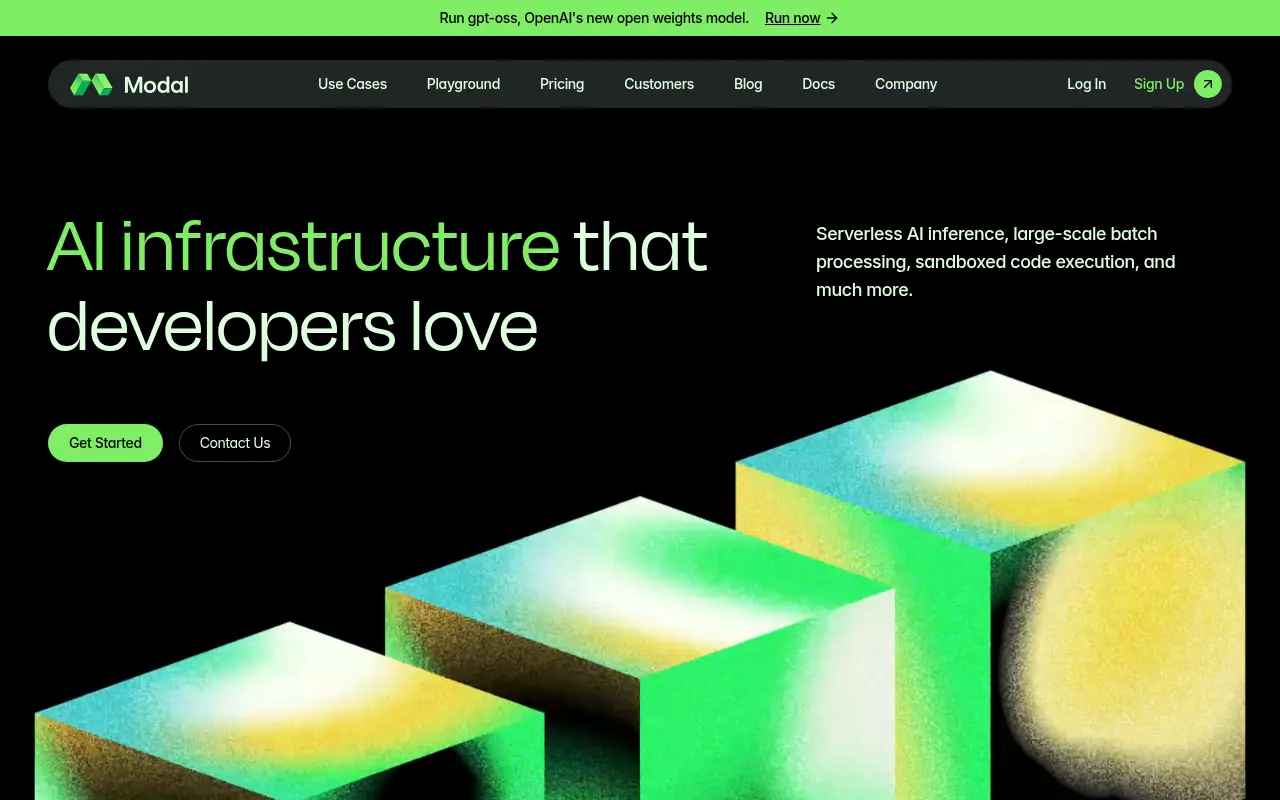
Modal is a serverless compute platform designed to simplify the deployment and scaling of AI, machine learning, and data-intensive applications for developers and data teams. It allows users to run code in the cloud using Python, eliminating the need to manage complex infrastructure like Kubernetes or Docker. With a focus on developer experience, Modal enables rapid scaling from zero to thousands of CPUs or GPUs in seconds, charging only for actual compute time used. The platform supports a variety of use cases, including generative AI inference, large-scale batch processing, and computational biology. Founded by a team with expertise from Spotify and Better.com, Modal aims to make cloud computing accessible and efficient for data teams. Its intuitive Python-based interface and robust dashboard make it a preferred choice for startups like Substack and Ramp.
Modal's Core Features
Modal enables developers to deploy Python functions as serverless cloud applications with minimal configuration, streamlining the development process.
The platform supports rapid autoscaling, spinning up hundreds of GPUs or CPUs in seconds and scaling down to zero to optimize costs.
Users can define custom container images and hardware requirements using infrastructure-as-code, ensuring tailored compute environments.
Modal provides a real-time observability dashboard for monitoring logs and metrics, enhancing debugging and performance tracking.
The platform supports diverse workloads, including generative AI inference, LLM fine-tuning, and large-scale data processing, catering to varied use cases.
Modal offers seamless integration with popular Python libraries like PyTorch, pandas, and NumPy, enabling robust AI and data workflows.
Built-in support for scheduling, cron jobs, and batch processing allows users to automate and optimize resource-intensive tasks.
Modal’s serverless pricing model charges only for compute time used, making it cost-effective for spiky or unpredictable workloads.
The platform provides secure sandbox environments for running untrusted or LLM-generated code, ensuring safety and isolation.
Modal supports web endpoints and streaming, enabling the creation of scalable APIs and real-time applications.
Integration with cloud storage like S3 and R2 simplifies data management with familiar Python syntax.
Modal’s custom container system, built in Rust, ensures fast startup times and efficient resource utilization.
The platform offers $30/month free compute credit, making it accessible for small teams and independent developers.
Frequently Asked Questions
Analytics of Modal
Monthly Visits Trend: Apr 2025 - Aug 2026
Traffic Sources
AI Channel Traffic Trends
Top Regions
| Region | Traffic Share |
|---|---|
| United States | 35.92% |
| India | 10.81% |
| Vietnam | 3.76% |
| China | 3.46% |
| Korea, Republic of | 3.42% |
Top Keywords
| Keyword | Traffic | CPC |
|---|---|---|
| modal | 167.1K | $0.94 |
| modal ai | 8.0K | $1.10 |
| modal labs | 10.8K | $5.15 |
| modal careers | 4.7K | $3.60 |
| modal pricing | 3.4K | $5.00 |
Alternative of Modal

LangChain
LangChain is an open-source framework for building applications powered by large language models with modular components and comprehensive development tools.

Lightning AI
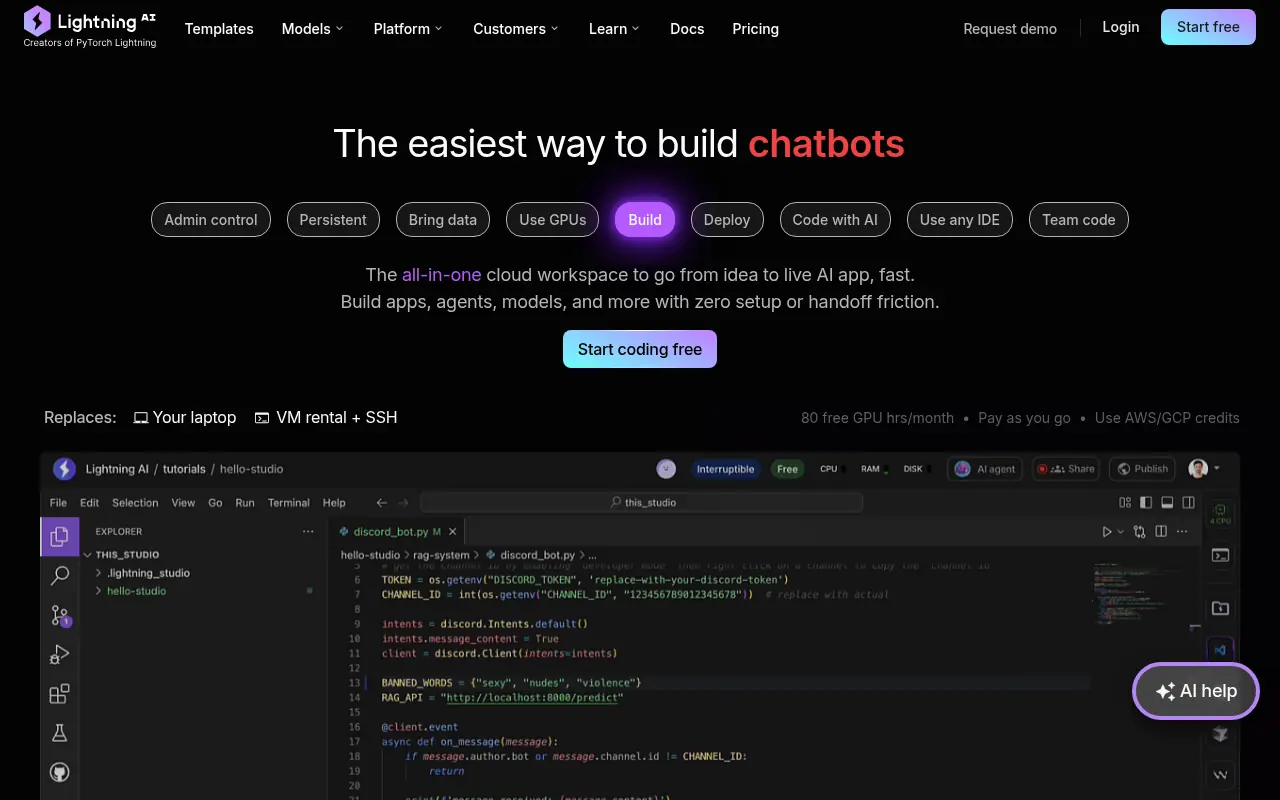
Lightning AI is an all-in-one platform for building, training, and deploying AI models with minimal setup.

Langfuse
Langfuse is an open-source LLM engineering platform that provides observability, analytics, prompt management, and evaluations for AI applications.
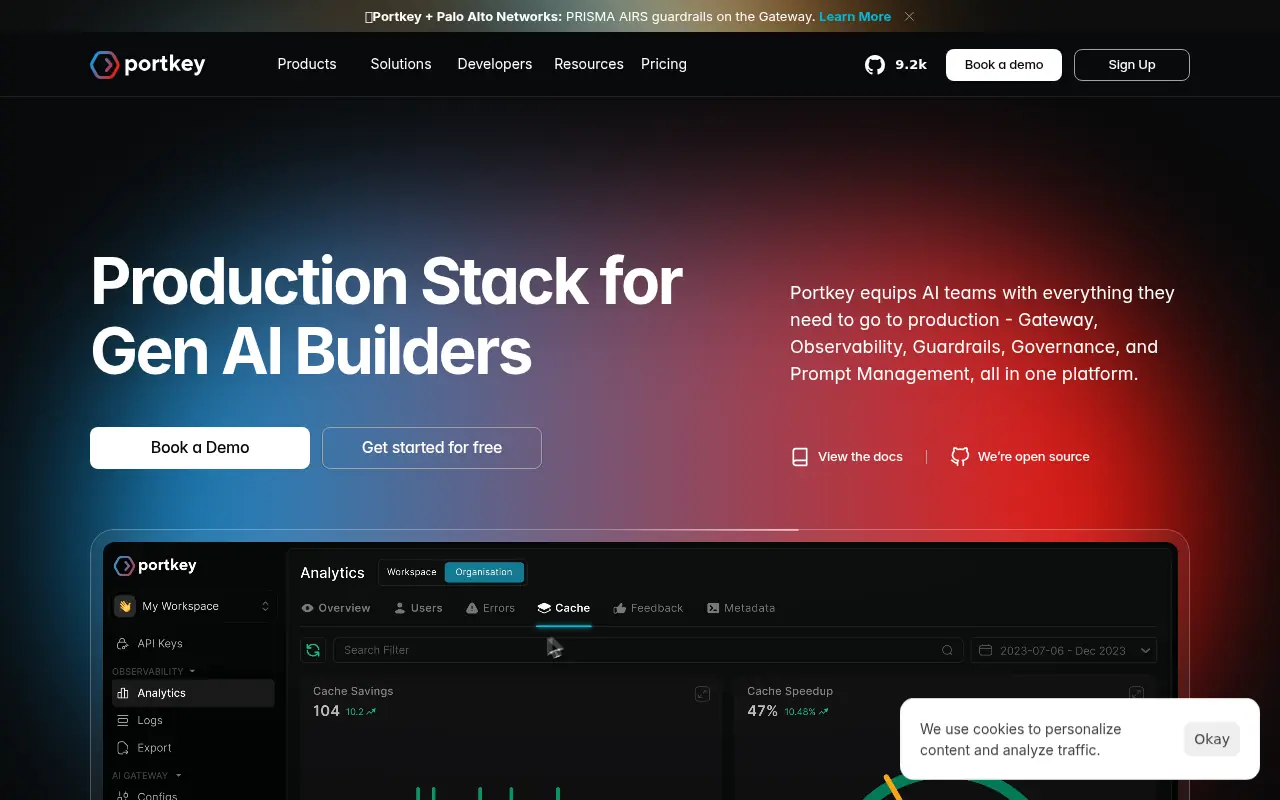

Portkey
Portkey.ai is an AI operations platform that provides tools for developers to build, deploy, and manage generative AI applications efficiently.
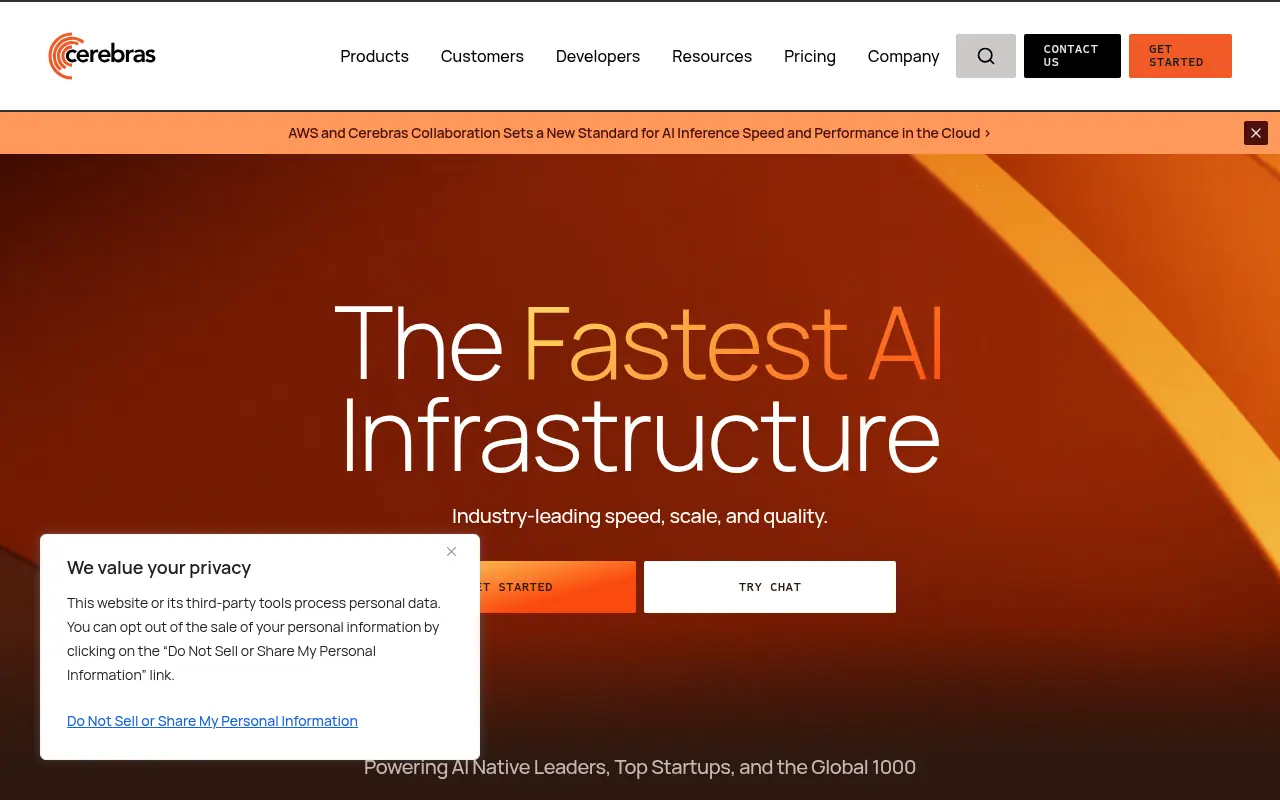

Cerebras
Cerebras Systems builds industry-leading AI hardware and supercomputers, powered by the world's largest AI chip, designed specifically to accelerate generative AI training and inference workloads.
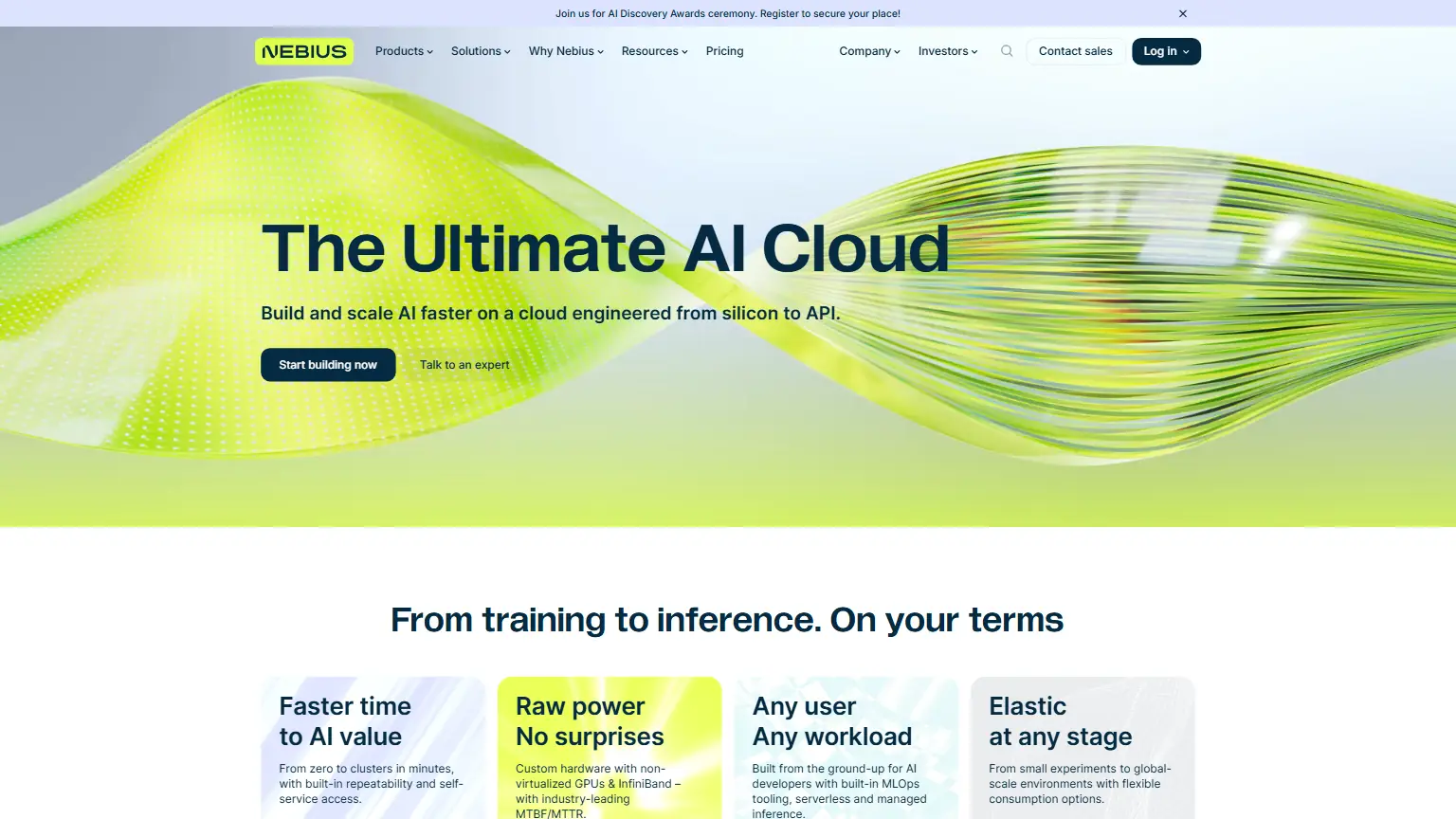

Nebius
Nebius delivers a full-stack, GPU-optimized cloud infrastructure designed specifically to accelerate AI training and low-latency inference for modern machine learning engineering teams.
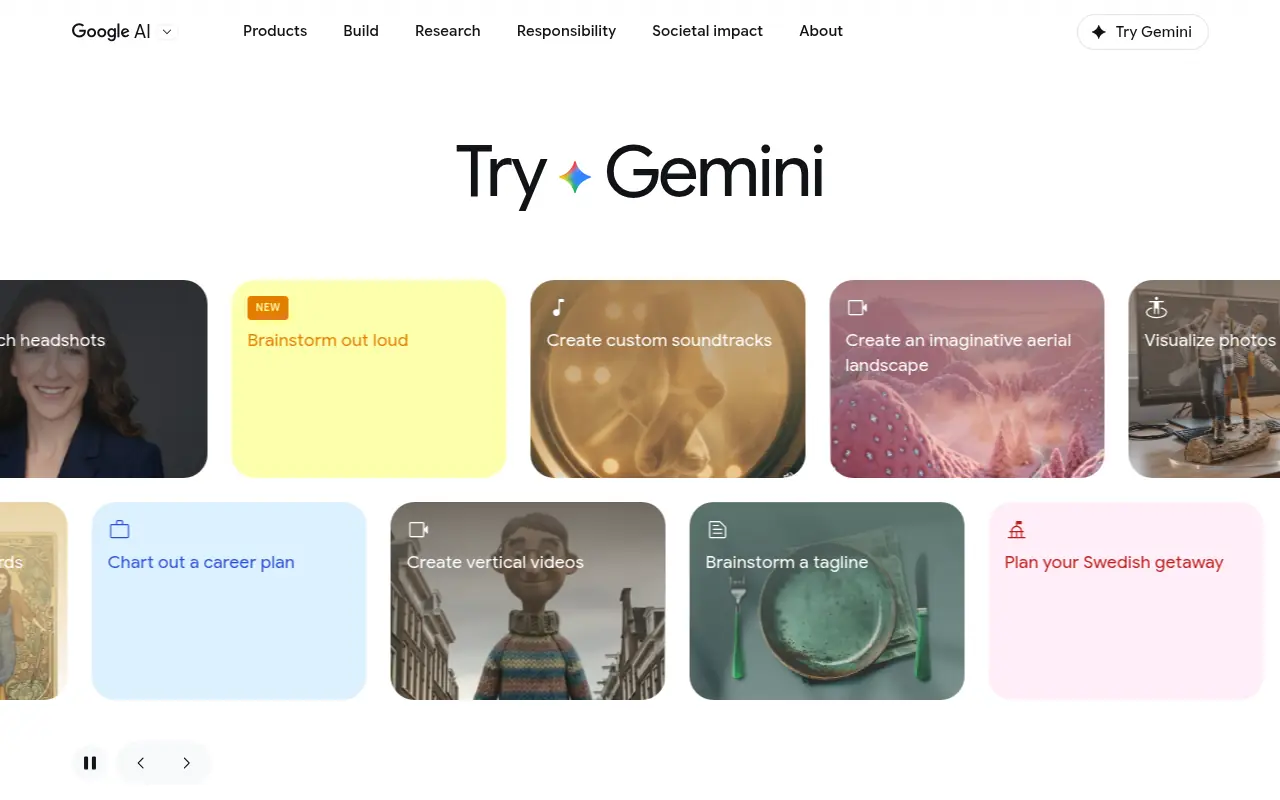

Google AI
Google AI is the central hub for Google's artificial intelligence research, developer tools, open-source resources, and responsible AI principles.
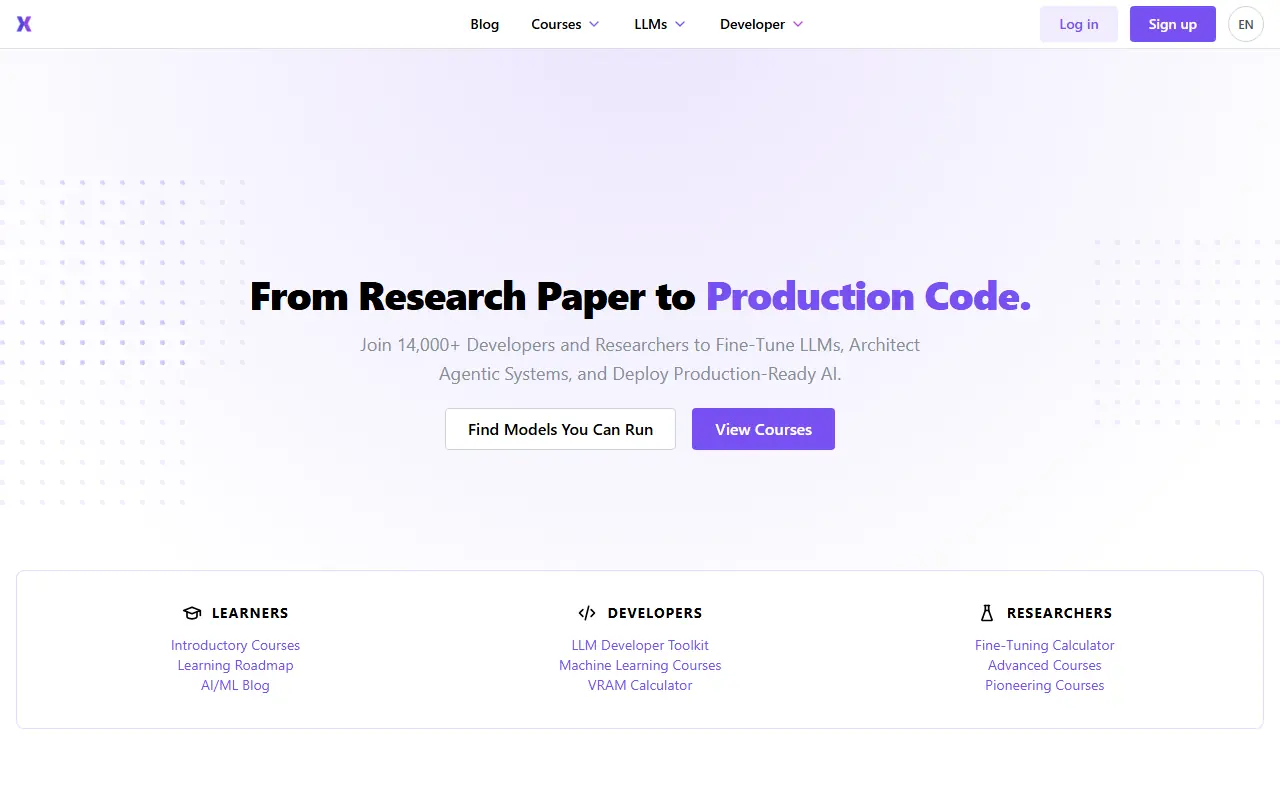

ApX Machine Learning
ApX Machine Learning is an educational and developmental platform offering comprehensive AI/ML courses alongside practical tools like VRAM calculators and the open-source Kerb toolkit.