

LangChain
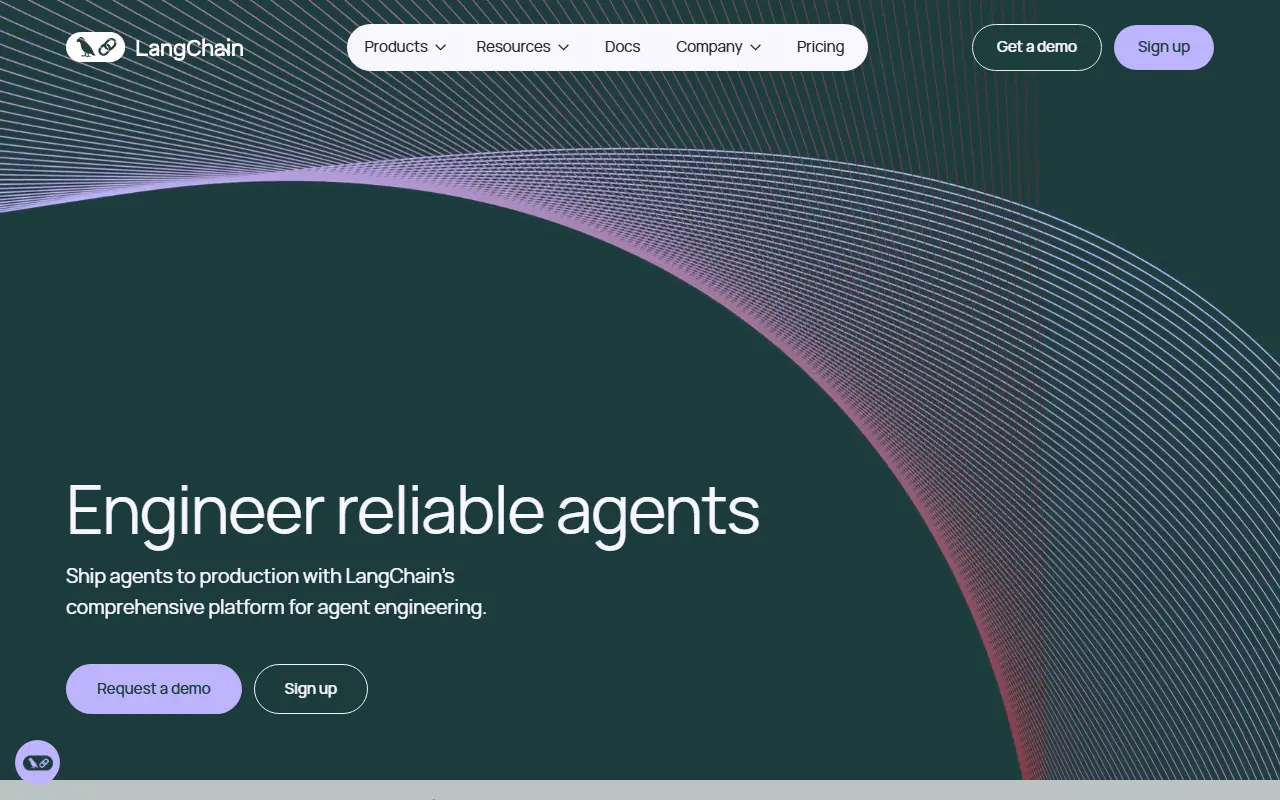
What is LangChain?
LangChain is an open-source orchestration framework designed to simplify the creation of applications using large language models (LLMs). Founded by Harrison Chase and first released in October 2022, it provides developers with modular components and tools for every stage of the LLM application lifecycle. The platform offers comprehensive libraries available in both Python and JavaScript that enable developers to connect LLMs with various data sources, create complex multi-step workflows, and build sophisticated AI applications. LangChain's ecosystem includes LangGraph for building stateful multi-actor applications, LangSmith for debugging and monitoring, LangServe for deploying chains as REST APIs, and LangFlow for no-code to low-code workflow creation. The framework supports integration with multiple LLM providers including OpenAI, Anthropic, and open-source alternatives, making it highly flexible and adaptable for diverse use cases.
How to use LangChain?
To use LangChain effectively, developers start by installing the framework via Python or JavaScript libraries and selecting their preferred LLM provider. They then define their application workflow by chaining together modular components such as prompt templates, models, vector databases, and agents to create custom AI applications. Users can leverage LangGraph to build stateful applications with multiple actors, use LangSmith to monitor and debug their applications during development, and deploy their finished chains as REST APIs through LangServe. For those preferring visual development, LangFlow provides no-code to low-code builders for creating workflows with minimal coding, while the framework's extensive documentation and growing community support help developers throughout the development process.
LangChain's Core Features
Modular components and tools for building LLM-powered applications with reusable building blocks.
LangGraph enables creation of stateful multi-actor applications with complex workflows.
LangSmith provides comprehensive debugging and monitoring tools for LLM applications.
LangServe allows deployment of chains as scalable REST APIs for production use.
LangFlow offers no-code to low-code builders for creating workflows with minimal programming.
LangChain Expression Language (LCEL) enables declarative component chaining for streamlined development.
First-class streaming support reduces latency and improves user experience.
Advanced retrieval techniques including retrieval-augmented generation (RAG) for enhanced accuracy.
Memory management features allow applications to retain context across multiple interactions.
Vector database integration for semantic search and similarity-based information retrieval.
Support for multiple LLM providers including OpenAI, Anthropic, and open-source models.
Prompt management tools with customizable PromptTemplates for controlling LLM behavior.
Autonomous agents that can dynamically call external APIs and query databases.
Extensive documentation and growing community support for developers.
Tools for ensuring structured output from LLMs for reliable application behavior.
LangChain's Use Cases
- #1
Building intelligent customer support chatbots with context-aware responses
- #2
Creating sophisticated question-answering systems with retrieval-augmented generation (RAG)
- #3
Developing automated data analysis tools that process and interpret large datasets
- #4
Enhancing e-commerce platforms with AI-powered product recommendations
- #5
Building healthcare applications that summarize and extract information from medical texts
- #6
Creating conversational agents with memory that maintain context across multiple interactions
- #7
Developing custom task-specific applications tailored to unique business requirements
- #8
Building autonomous agents that can call external APIs and make intelligent decisions
Frequently Asked Questions
Analytics of LangChain
Monthly Visits Trend: Jun 2025 - Aug 2026
Traffic Sources
AI Channel Traffic Trends
Top Regions
| Region | Traffic Share |
|---|---|
| United States | 20.93% |
| China | 20.26% |
| India | 17.13% |
| Germany | 4.56% |
| Pakistan | 2.05% |
Top Keywords
| Keyword | Traffic | CPC |
|---|---|---|
| langchain | 289.8K | $1.27 |
| langgraph | 198.3K | $2.62 |
| langsmith | 82.6K | $2.67 |
| deepseek harness | 1.2M | -- |
| langchain documentation | 7.1K | $0.93 |
Alternative of LangChain
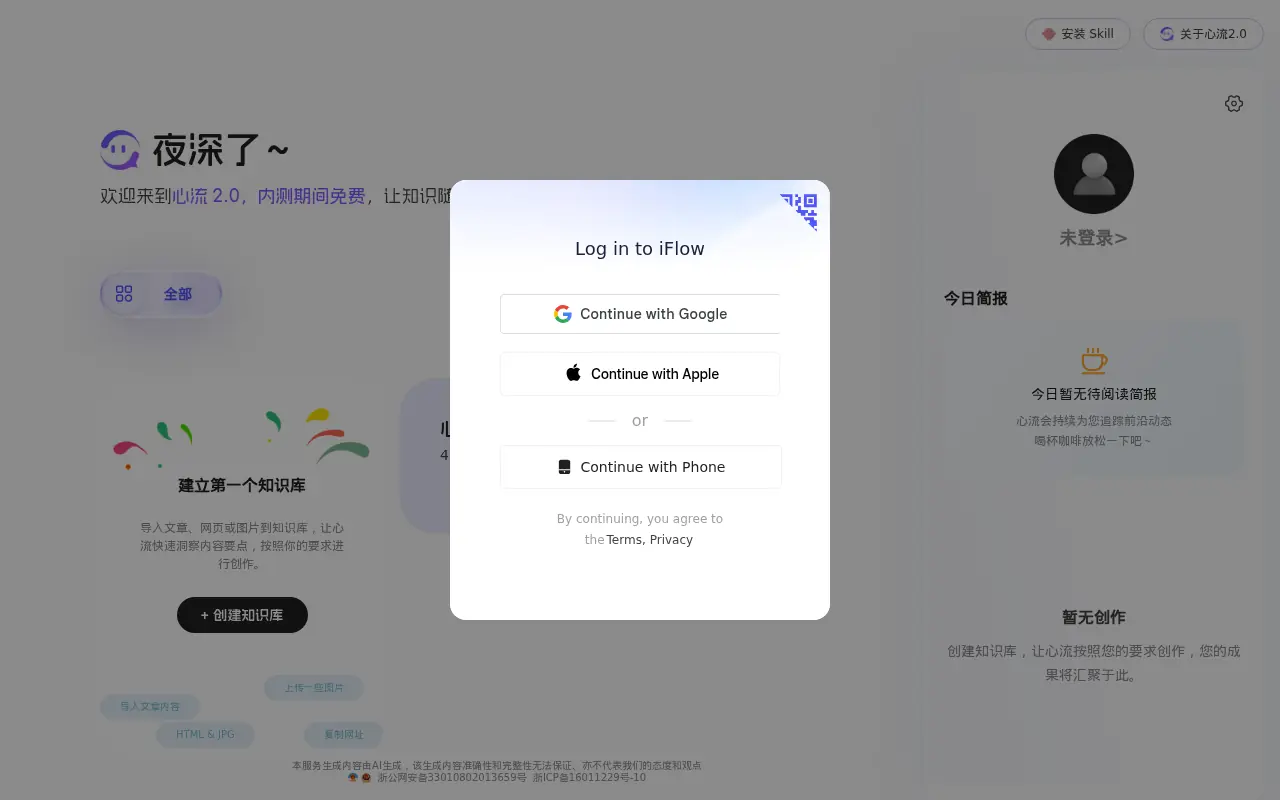

iFlow
iFlow is a comprehensive AI platform and terminal-based assistant that empowers developers and users with free access to mainstream large language models for coding, workflow automation, and knowledge acquisition.
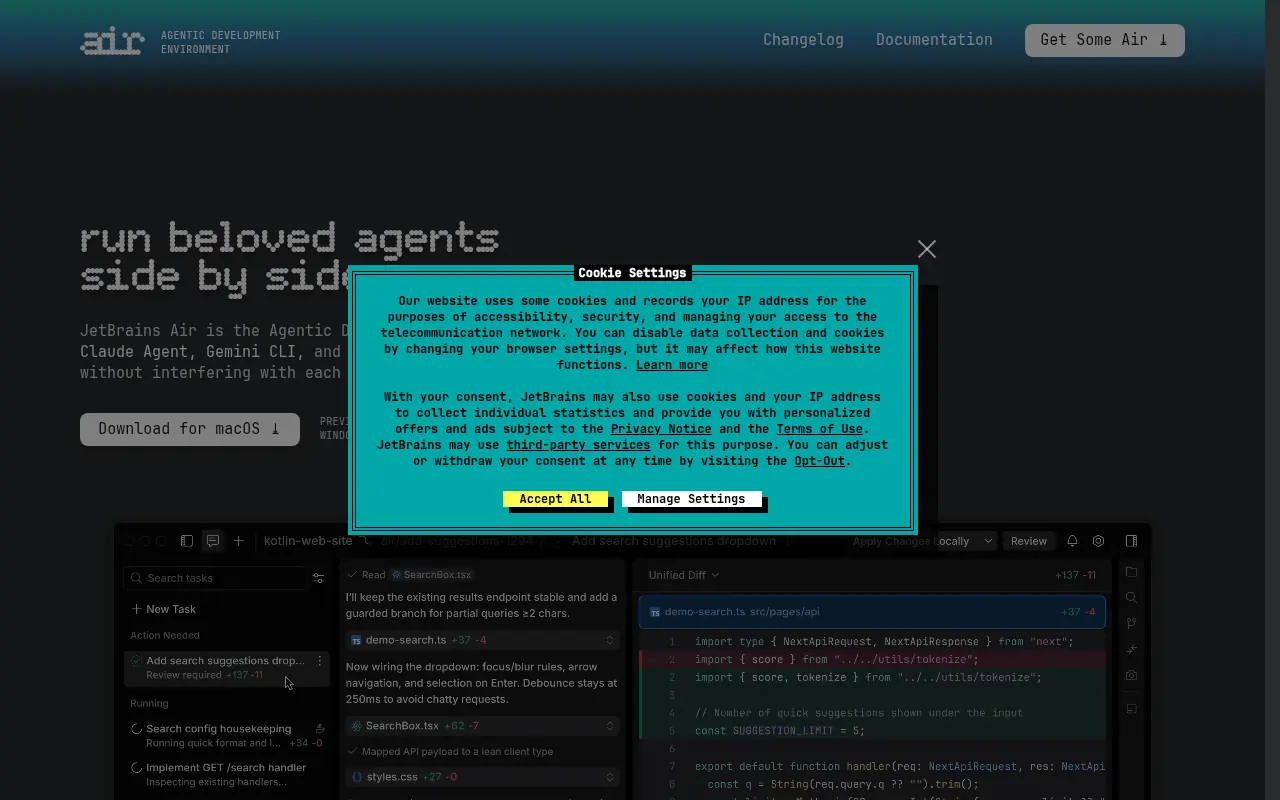

JetBrains Air
JetBrains Air is an agentic development environment that allows developers to run, manage, and orchestrate multiple AI coding agents concurrently.
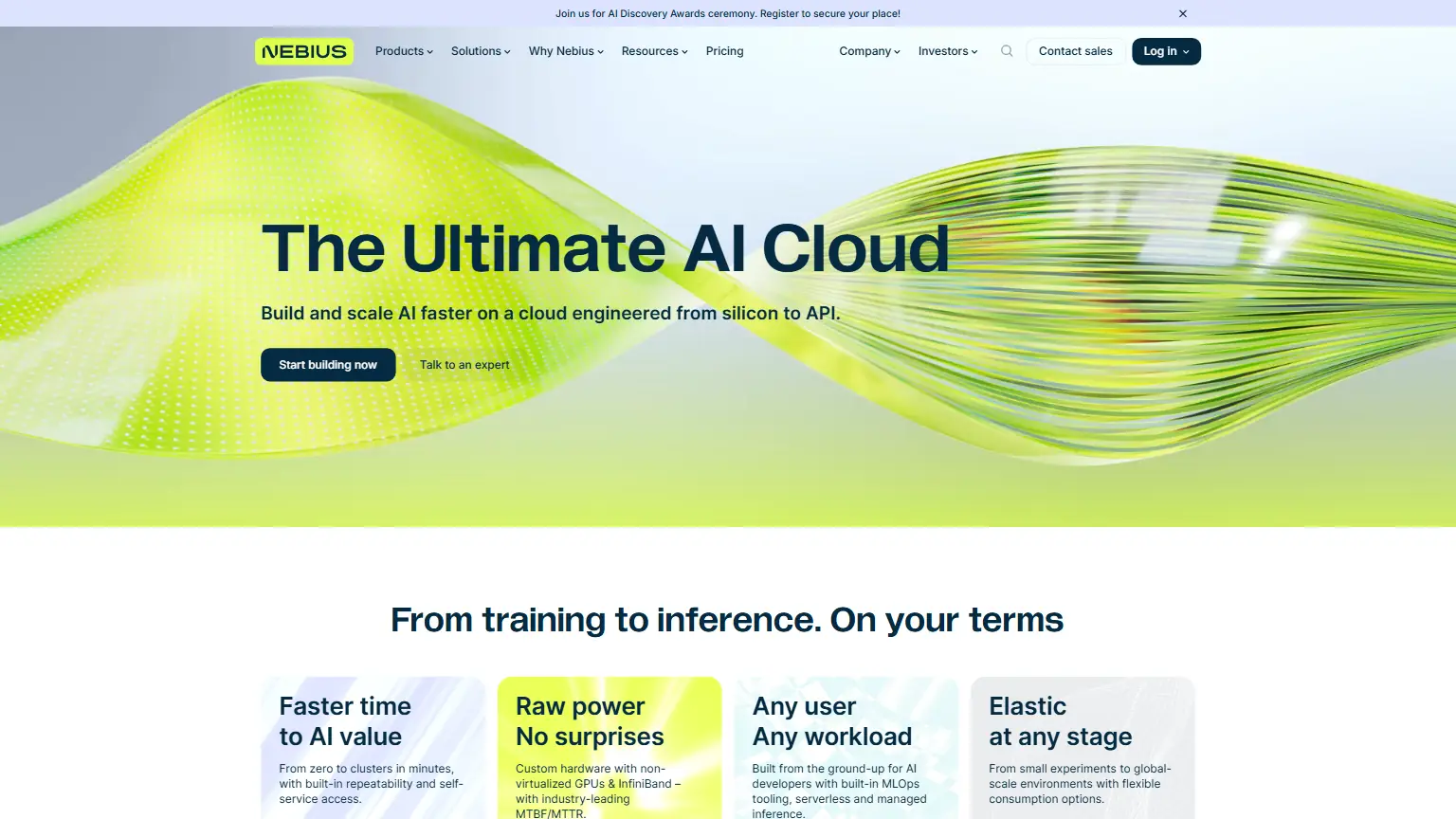

Nebius
Nebius delivers a full-stack, GPU-optimized cloud infrastructure designed specifically to accelerate AI training and low-latency inference for modern machine learning engineering teams.
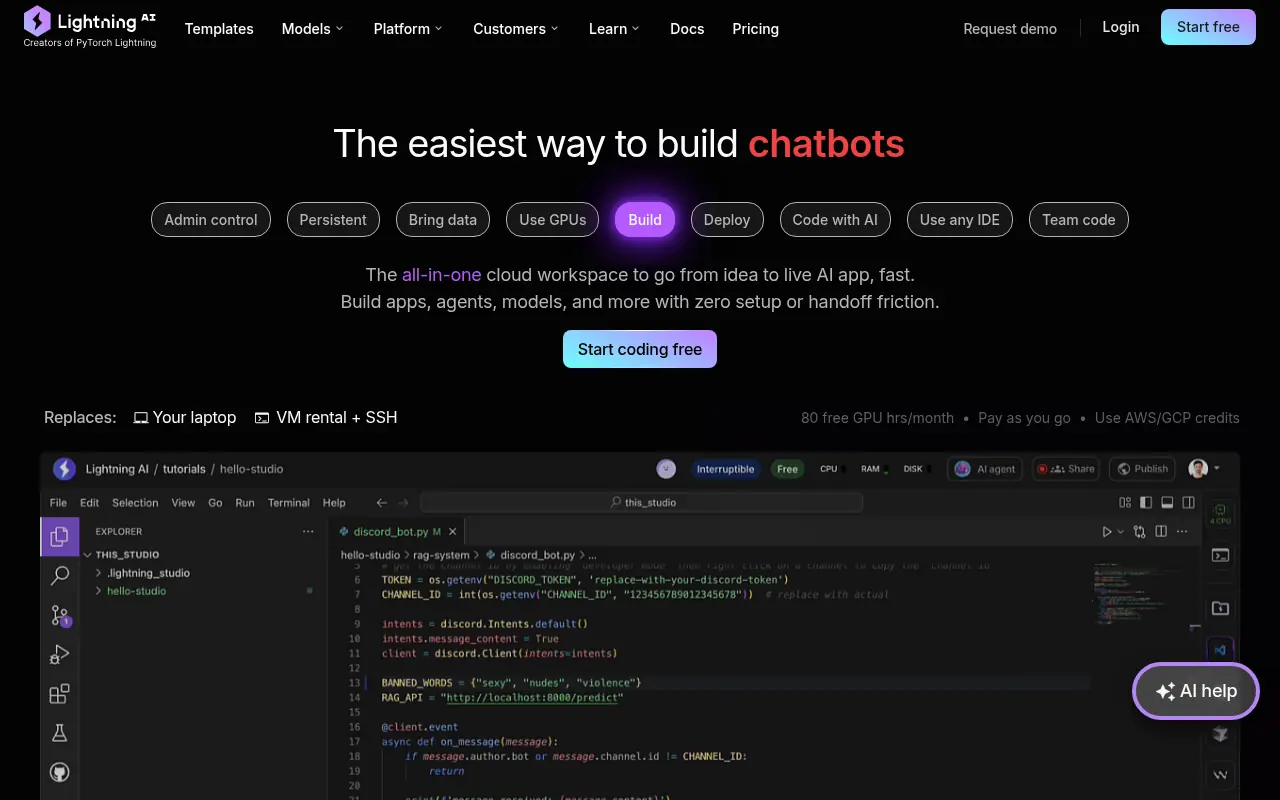

Lightning AI
Lightning AI is an all-in-one platform for building, training, and deploying AI models with minimal setup.

Google Antigravity
Google Antigravity is an agentic development platform that enables developers to build software using autonomous AI agents powered by Gemini 3 Pro.

Google AI
Google AI is the central hub for Google's artificial intelligence research, developer tools, open-source resources, and responsible AI principles.

Cerebras
Cerebras Systems builds industry-leading AI hardware and supercomputers, powered by the world's largest AI chip, designed specifically to accelerate generative AI training and inference workloads.
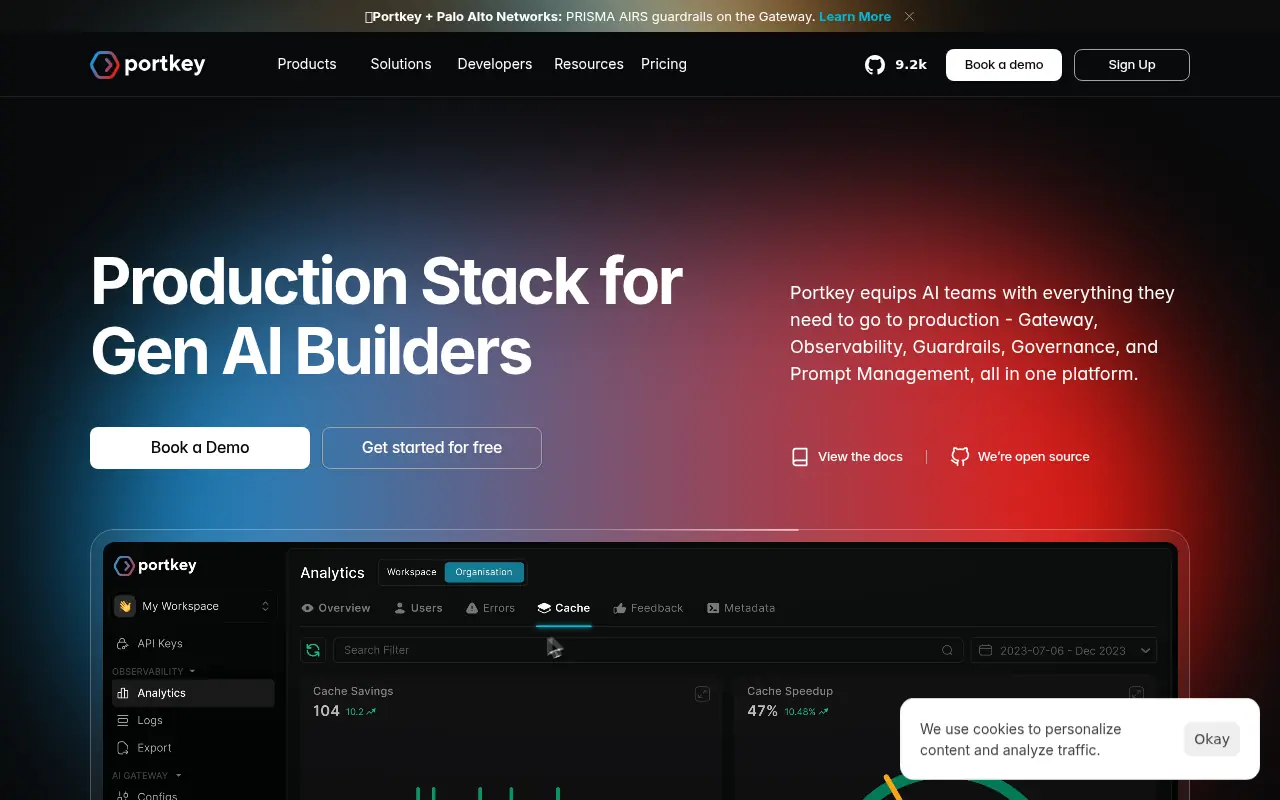

Portkey
Portkey.ai is an AI operations platform that provides tools for developers to build, deploy, and manage generative AI applications efficiently.