

Google AI
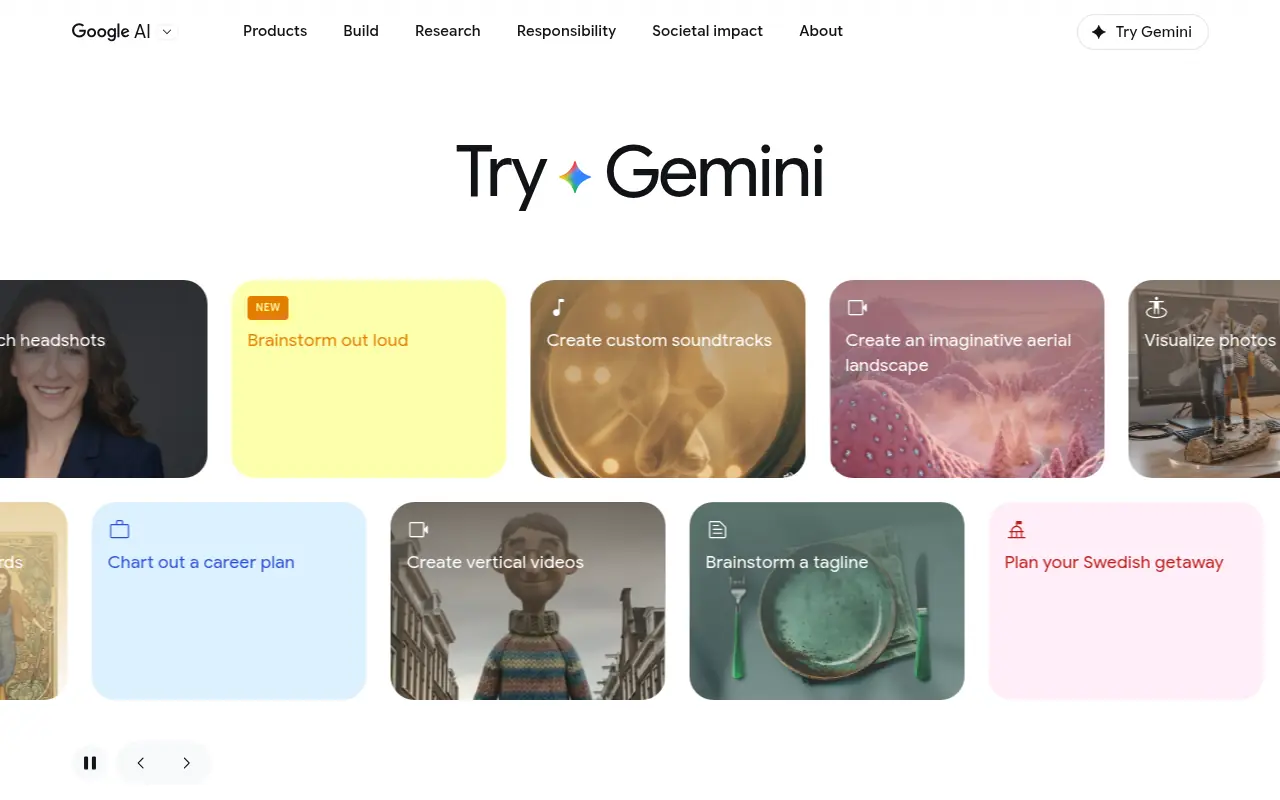
What is Google AI?
Google AI (ai.google) serves as the primary portal for all of Google's artificial intelligence advancements, research, and product integrations. Its mission is to organize the world's information and make it universally accessible and useful through cutting-edge AI technologies. The platform provides developers and researchers with access to powerful open-source tools like TensorFlow and JAX, alongside extensive datasets and published research. It also guides users on how to apply AI responsibly, adhering to Google's established AI Principles. Ultimately, it connects users, developers, and businesses to Google's latest AI models, including the Gemini ecosystem, fostering innovation across multiple industries.
How to use Google AI?
To effectively use Google AI, users can navigate the website to discover the latest AI models like Gemini and explore their capabilities. Developers can access the 'Tools' or 'Build' sections to find open-source frameworks, APIs, and documentation necessary for integrating Google's AI into their own applications. Researchers can browse the 'Research' repository to read the newest published papers, download open datasets, and study state-of-the-art methodologies. Additionally, organizations can consult the 'Responsibility' section to learn best practices and guidelines for developing AI safely and ethically.
Google AI's Core Features
Gemini Portal: A central access point to learn about and integrate Google's multimodal Gemini models.
Research Library: A comprehensive, searchable repository of Google's latest peer-reviewed AI research papers.
Open Source Hub: Provides direct links and documentation for major frameworks like TensorFlow, Keras, and JAX.
AI Principles Guide: Detailed documentation outlining Google's commitment to building safe and responsible AI.
Developer APIs: Access points and tutorials for developers to integrate Google's AI APIs into their own software.
Dataset Catalog: A curated collection of high-quality open datasets meant for training and testing machine learning models.
Google AI's Use Cases
- #1
Discovering and experimenting with Google's latest Gemini models.
- #2
Accessing open-source machine learning frameworks like TensorFlow and JAX.
- #3
Reading cutting-edge AI research papers published by Google DeepMind.
- #4
Finding open datasets to train custom machine learning models.
- #5
Learning about responsible AI practices and ethical guidelines.
- #6
Exploring educational resources to improve prompt engineering and AI development skills.
Frequently Asked Questions
Analytics of Google AI
Monthly Visits Trend: Jun 2025 - Aug 2026
Traffic Sources
AI Channel Traffic Trends
Top Regions
| Region | Traffic Share |
|---|---|
| United States | 30.26% |
| India | 9.09% |
| United Kingdom | 6.22% |
| Russia | 3.35% |
| Germany | 2.91% |
Top Keywords
| Keyword | Traffic | CPC |
|---|---|---|
| google ai | 4.1M | $0.34 |
| ai | 7.8M | $0.49 |
| google ai studio | 5.3M | $0.57 |
| google earth | 9.1M | $0.43 |
| ai google | 142.4K | $0.26 |
Alternative of Google AI
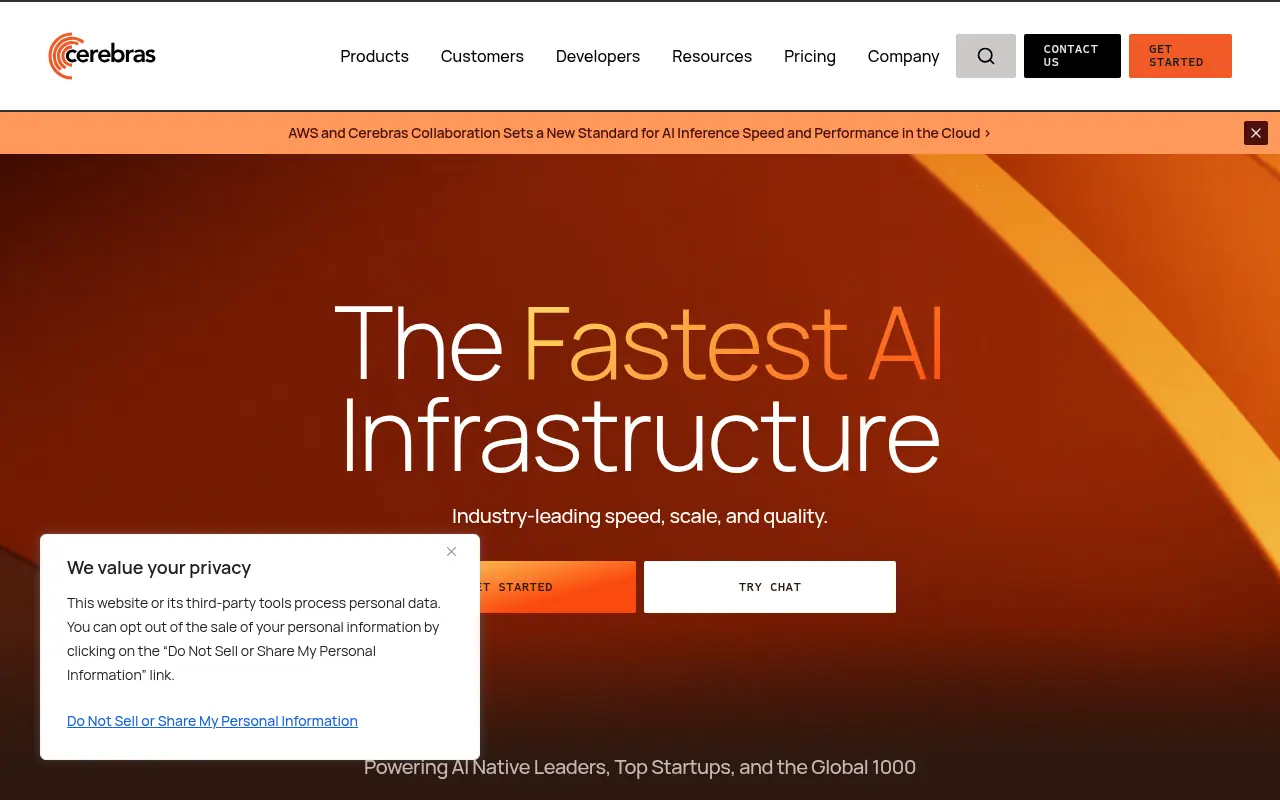

Cerebras
Cerebras Systems builds industry-leading AI hardware and supercomputers, powered by the world's largest AI chip, designed specifically to accelerate generative AI training and inference workloads.


iFlow
iFlow is a comprehensive AI platform and terminal-based assistant that empowers developers and users with free access to mainstream large language models for coding, workflow automation, and knowledge acquisition.
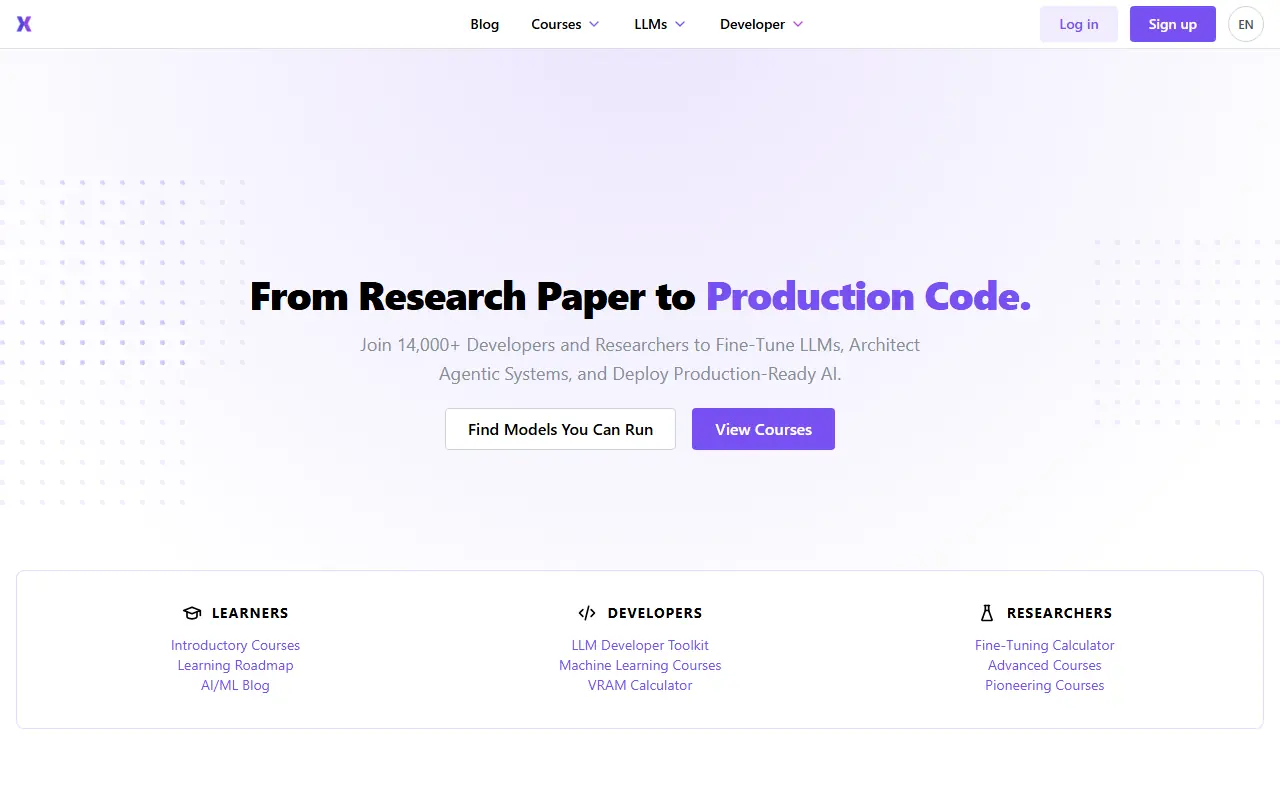

ApX Machine Learning
ApX Machine Learning is an educational and developmental platform offering comprehensive AI/ML courses alongside practical tools like VRAM calculators and the open-source Kerb toolkit.
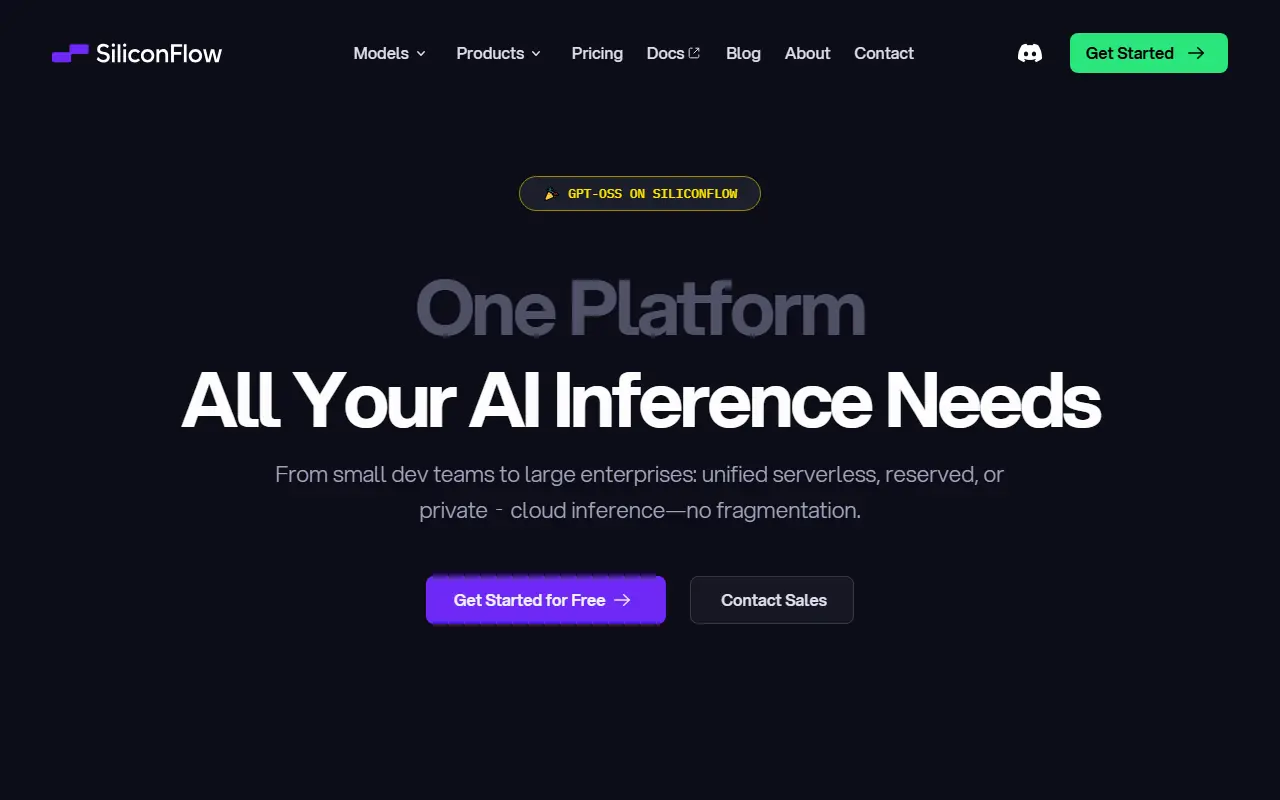

SiliconFlow
SiliconFlow is a high-performance AI infrastructure platform that enables efficient inference for open-source large language models and other AI applications.
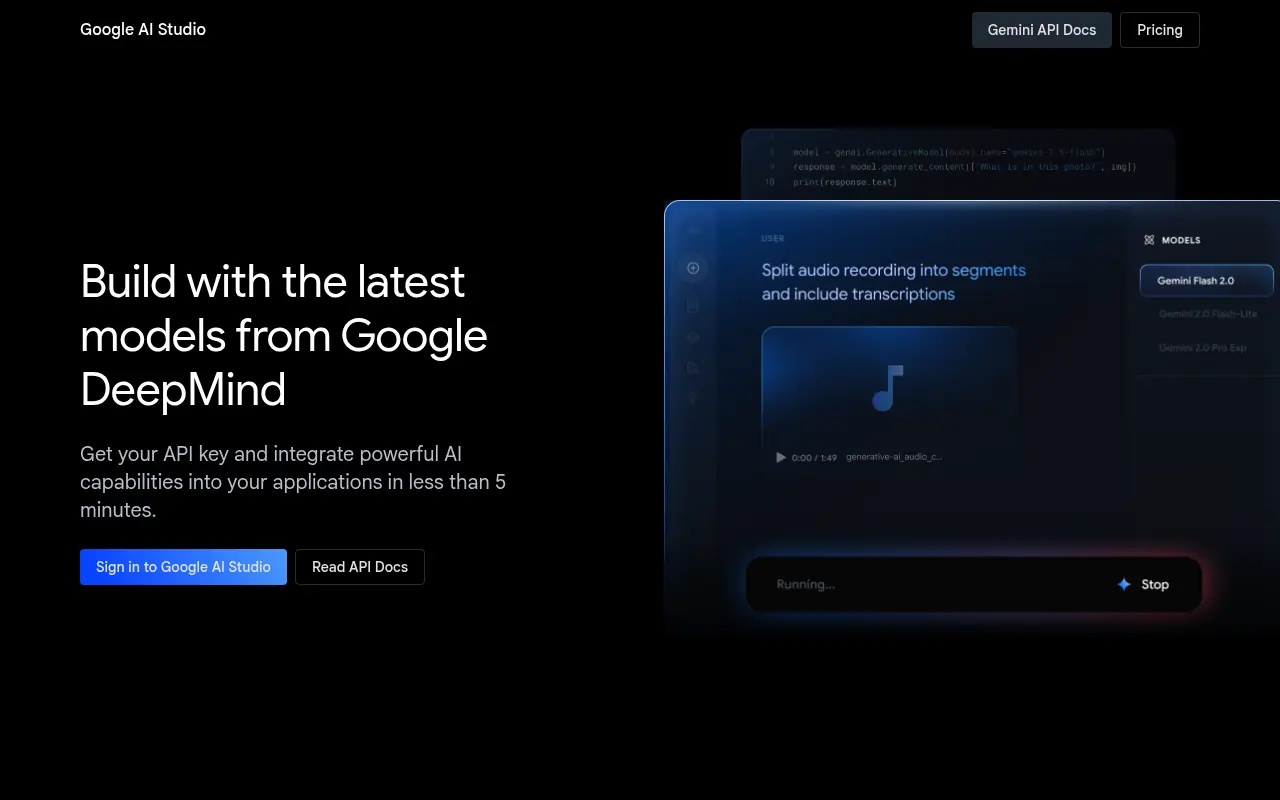

Google AI Studio
Google AI Studio is a browser-based IDE for prototyping and building AI applications with Google's Gemini models.
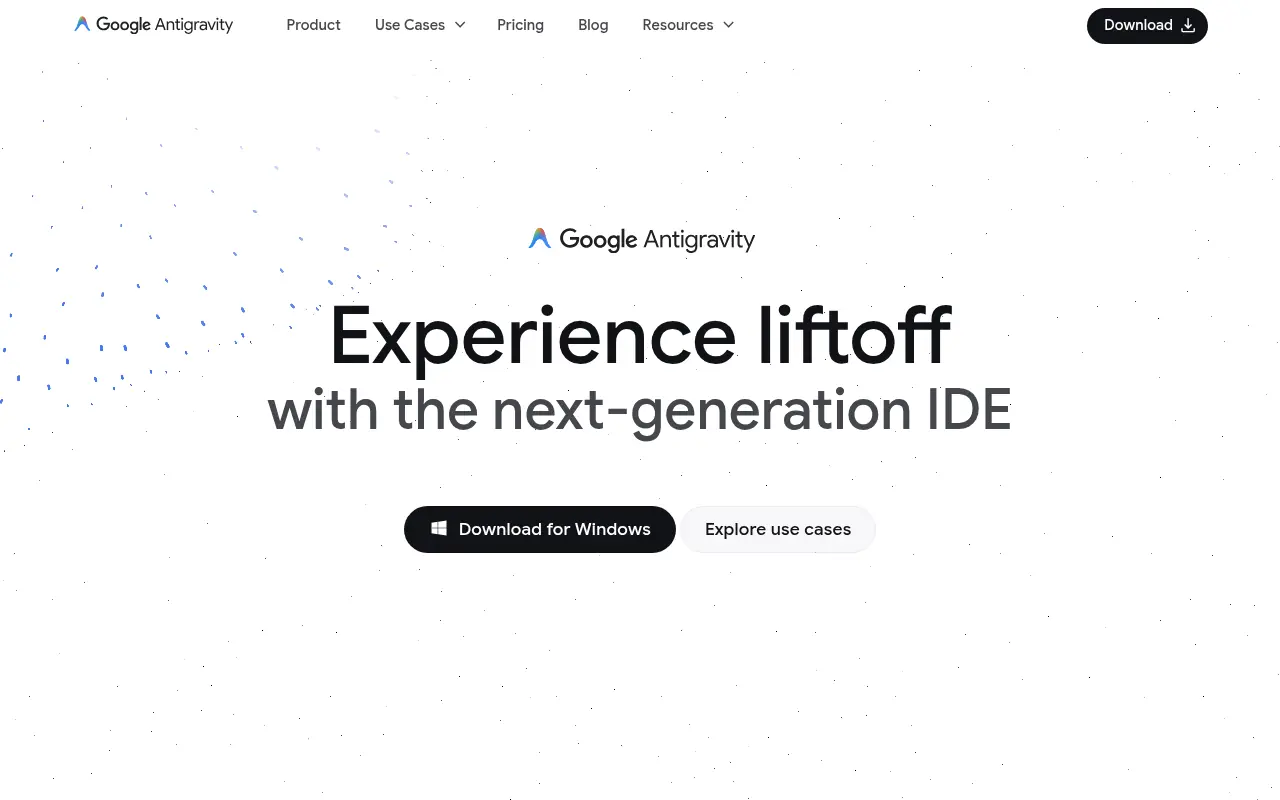

Google Antigravity
Google Antigravity is an agentic development platform that enables developers to build software using autonomous AI agents powered by Gemini 3 Pro.
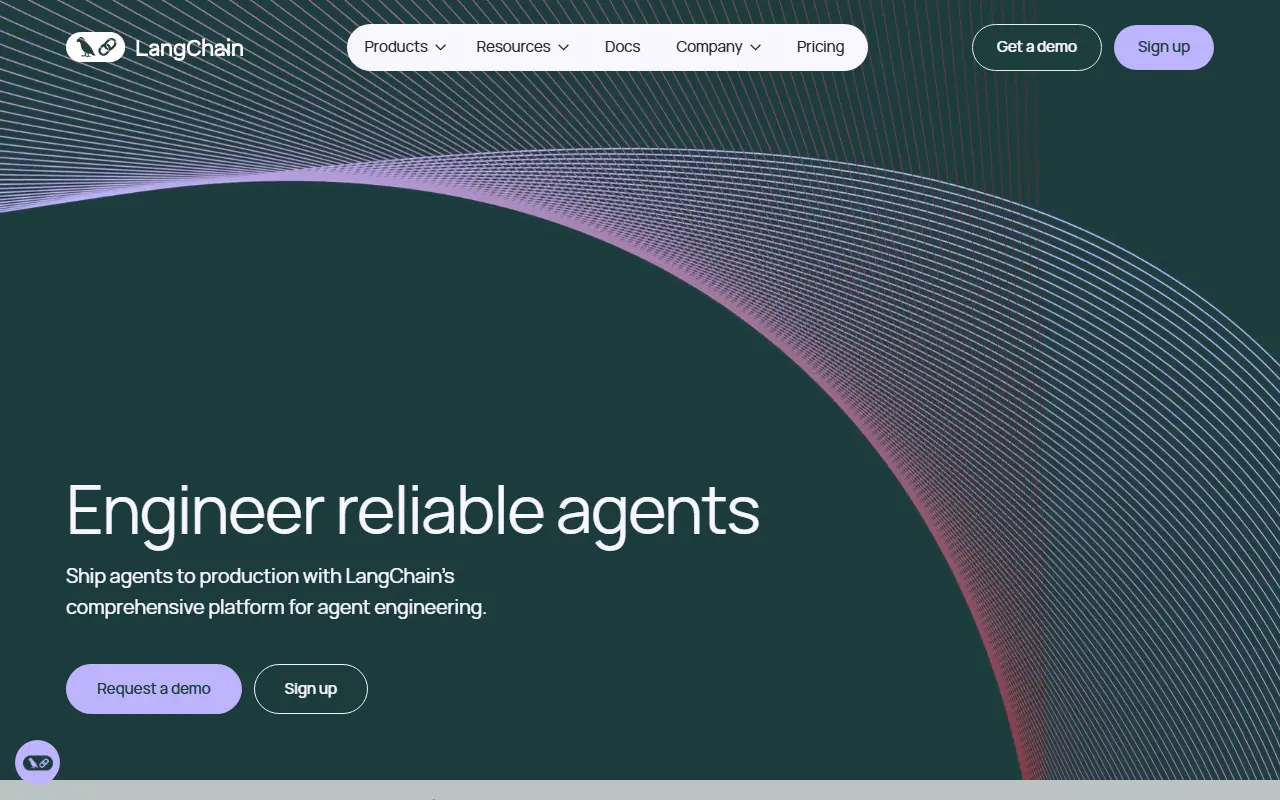

LangChain
LangChain is an open-source framework for building applications powered by large language models with modular components and comprehensive development tools.
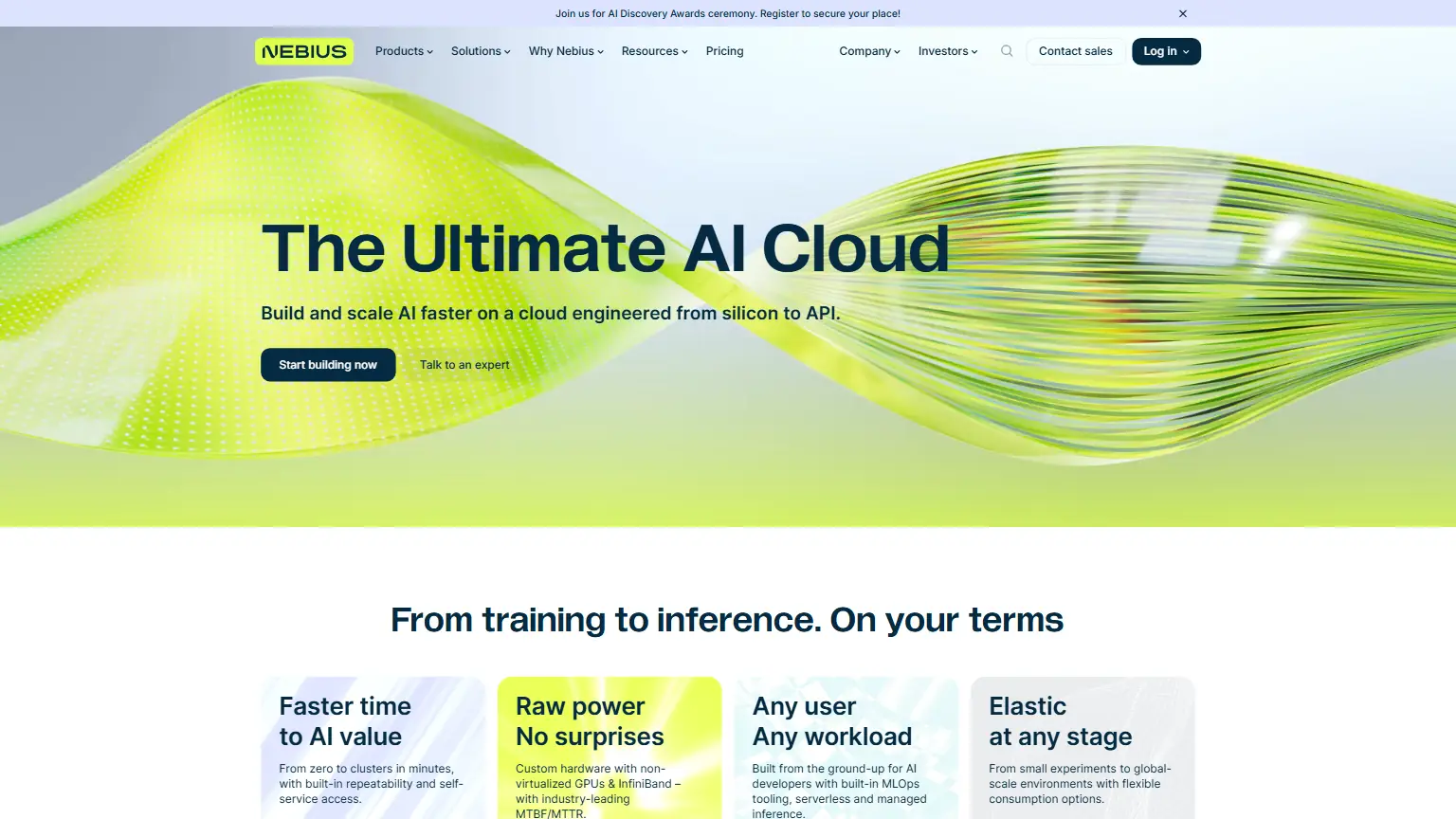

Nebius
Nebius delivers a full-stack, GPU-optimized cloud infrastructure designed specifically to accelerate AI training and low-latency inference for modern machine learning engineering teams.