

Sanity
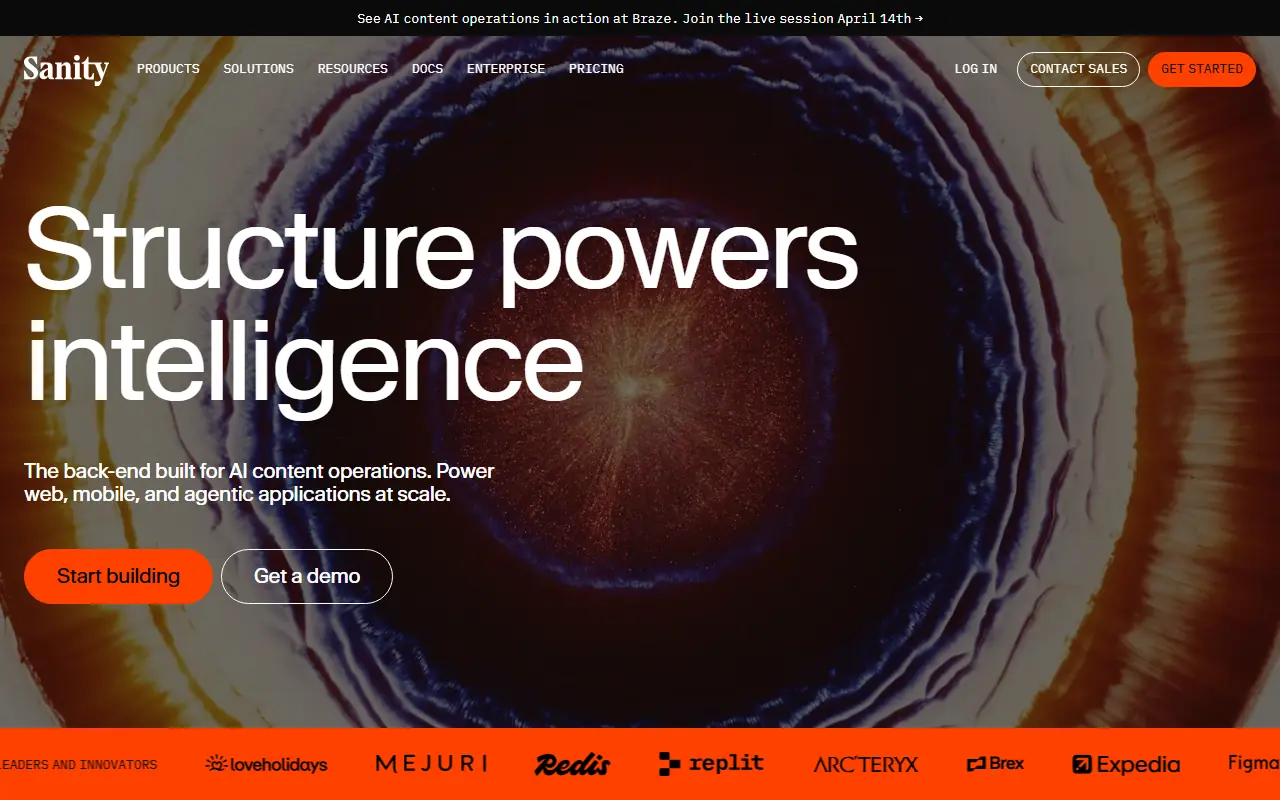
What is Sanity?
Sanity is a platform for structured content that acts as a highly flexible headless CMS. Its core mission is to treat content as data, decoupling it from presentation so it can be seamlessly reused across any channel, device, or framework. The platform features Sanity Studio, an open-source, React-based editing environment that developers can deeply customize to match their team's specific workflows. Behind the scenes, the Sanity Content Lake provides a real-time, cloud-hosted database that syncs content instantly across all clients. By enabling concurrent collaboration and providing robust APIs, Sanity bridges the gap between developers and content creators to build modern digital experiences.
How to use Sanity?
To use Sanity, developers initialize a project via the Sanity CLI and use JavaScript/TypeScript to define content schemas, which automatically generate the Sanity Studio editing interface. Content creators can then log into this deployed Studio to draft, edit, and publish structured content in real-time with Google Docs-style collaboration. Finally, developers use the Sanity API and its query language (GROQ or GraphQL) to fetch the published content and render it on any frontend, such as a Next.js website, a mobile app, or a digital billboard.
Sanity's Core Features
Sanity Studio provides a fully customizable, open-source content editing interface built with React.
The Sanity Content Lake operates as a real-time, cloud-based database for instantly syncing structured content.
GROQ (Graph-Relational Object Queries) allows developers to filter, join, and project exact data requirements from the API.
Real-time collaboration lets multiple editors work on the exact same document simultaneously without locking each other out.
Code-driven content schemas enable developers to model content structures perfectly to their business domain.
Portable Text formats rich text as structured JSON data, making it easy to serialize into any frontend framework.
Sanity AI Assist integrates directly into the Studio environment to help editors generate, translate, and augment content.
Robust webhooks and API integrations allow for seamless deployment triggers and third-party automation.
Sanity's Use Cases
- #1
Managing product catalogs and editorial content for e-commerce sites.
- #2
Serving as a headless CMS for corporate marketing websites and blogs.
- #3
Routing global content localization and translation workflows.
- #4
Delivering structured content to iOS and Android mobile applications.
- #5
Building dynamic digital portfolios and software documentation portals.
- #6
Managing and structuring data for AI applications and large language models.
Frequently Asked Questions
Analytics of Sanity
Monthly Visits Trend: Jun 2025 - Aug 2026
Traffic Sources
AI Channel Traffic Trends
Top Regions
| Region | Traffic Share |
|---|---|
| United States | 26.63% |
| United Kingdom | 11.25% |
| Norway | 8.48% |
| Australia | 5.27% |
| India | 3.80% |
Top Keywords
| Keyword | Traffic | CPC |
|---|---|---|
| sanity | 118.2K | $1.13 |
| sanity cms | 34.2K | $1.51 |
| white | 2.5M | $0.77 |
| sanity studio | 4.4K | $2.28 |
| sanity pricing | 2.3K | $2.37 |
Alternative of Sanity
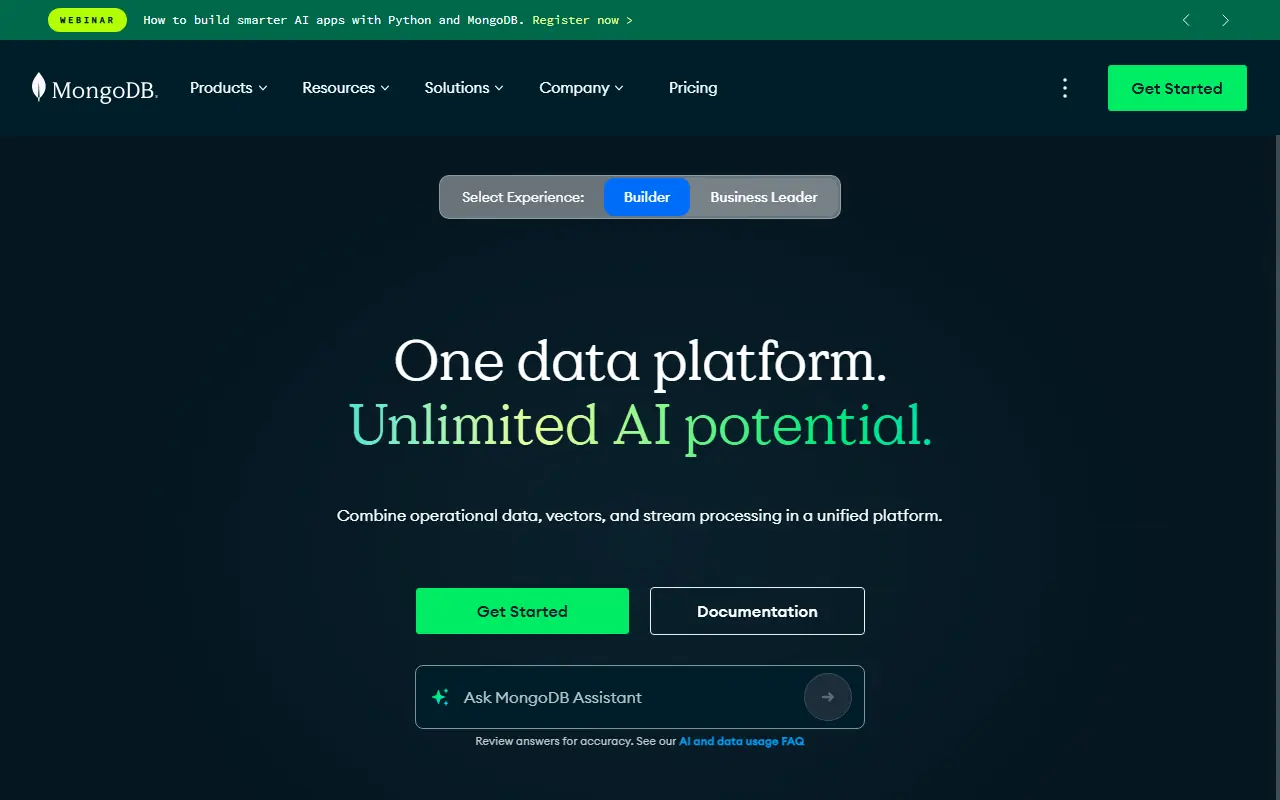

MongoDB
MongoDB provides a unified developer data platform centered around a flexible document database, enabling teams to build modern, scalable, and AI-powered applications faster.
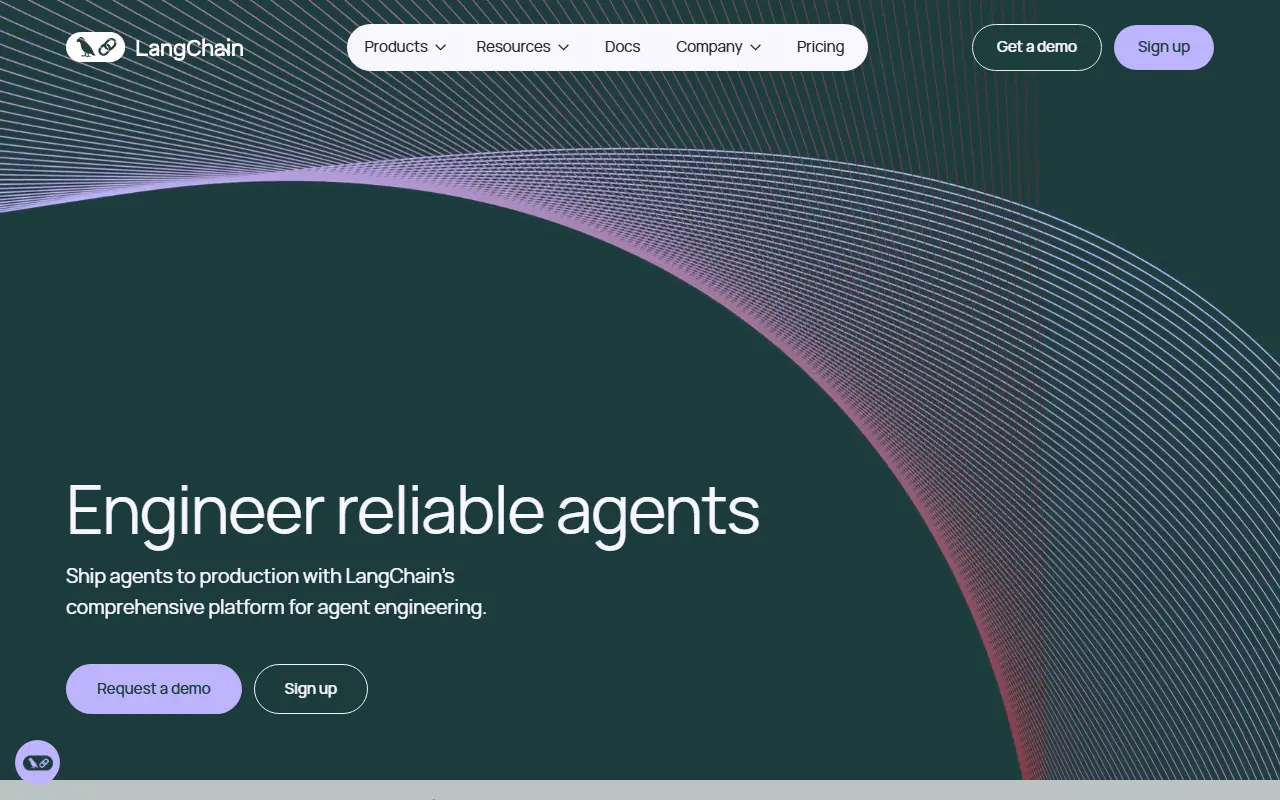

LangChain
LangChain is an open-source framework for building applications powered by large language models with modular components and comprehensive development tools.
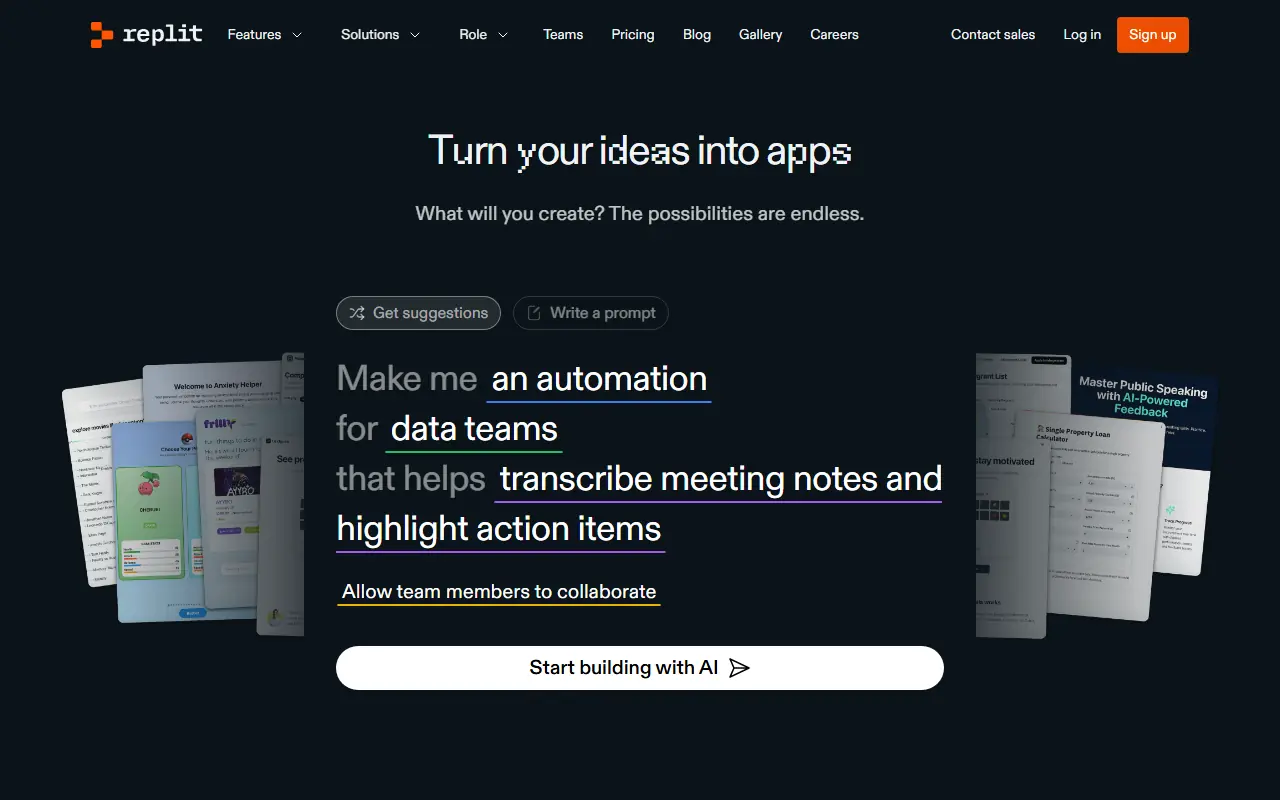

Replit
Replit is an AI-powered online platform for coding, collaborating, and deploying software in various programming languages directly from the browser.
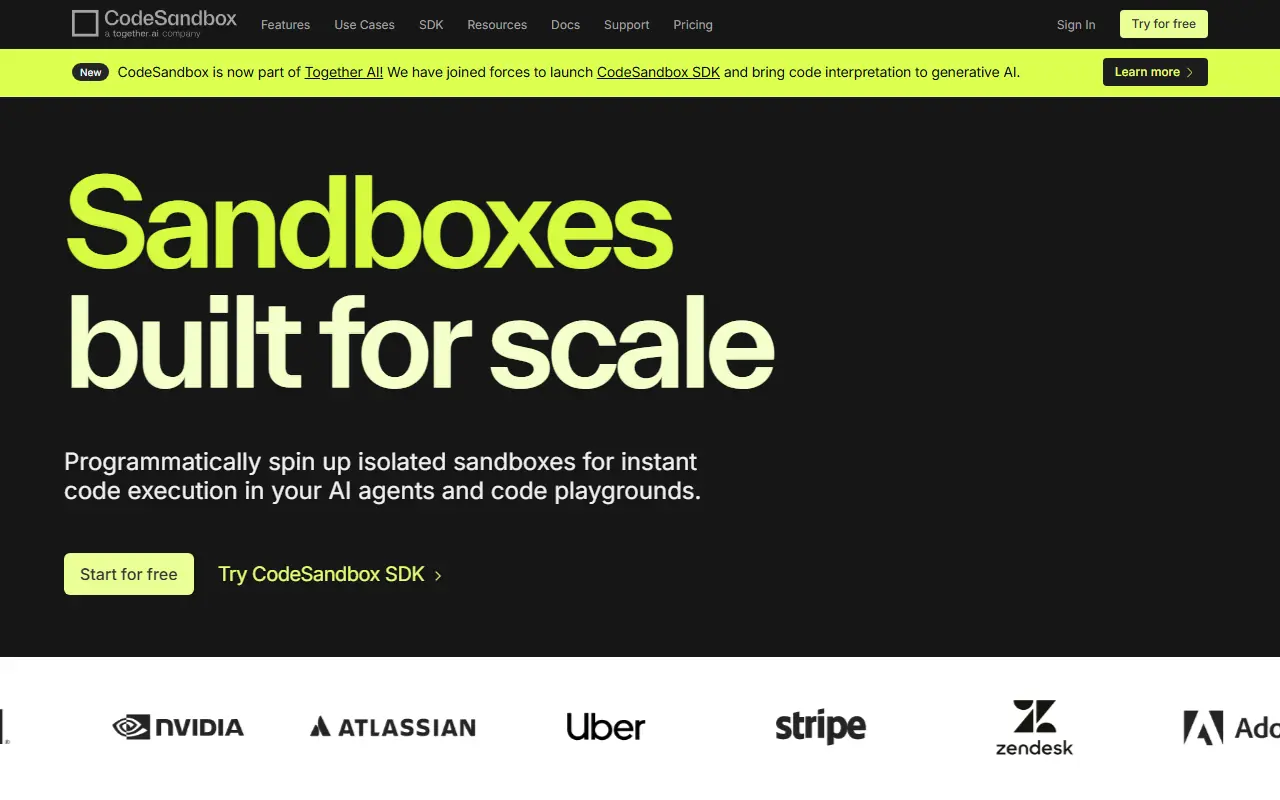

CodeSandbox
CodeSandbox is a cloud-based development platform that enables developers to code, collaborate, and ship web applications of any size from any device in record time.
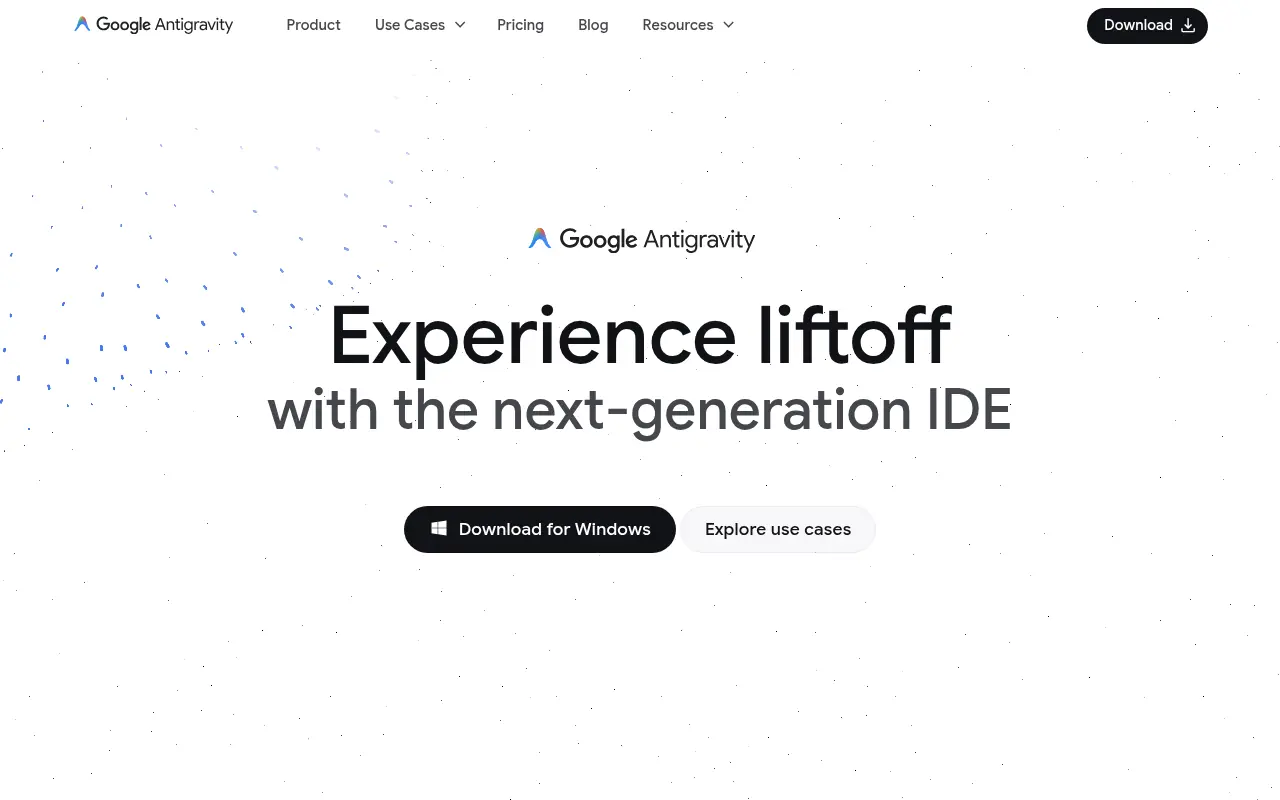

Google Antigravity
Google Antigravity is an agentic development platform that enables developers to build software using autonomous AI agents powered by Gemini 3 Pro.
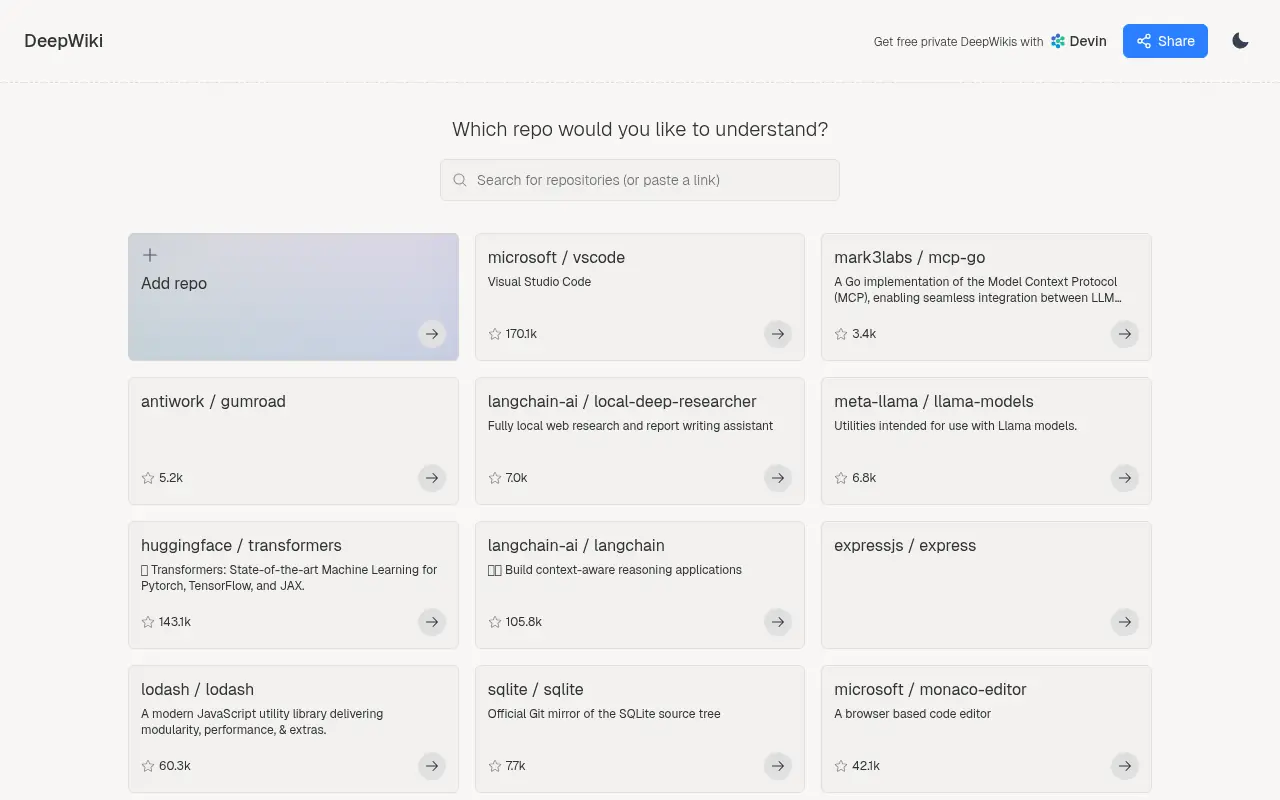

DeepWiki
DeepWiki is an AI-powered tool that generates interactive, wiki-style documentation for GitHub repositories to simplify codebase understanding.
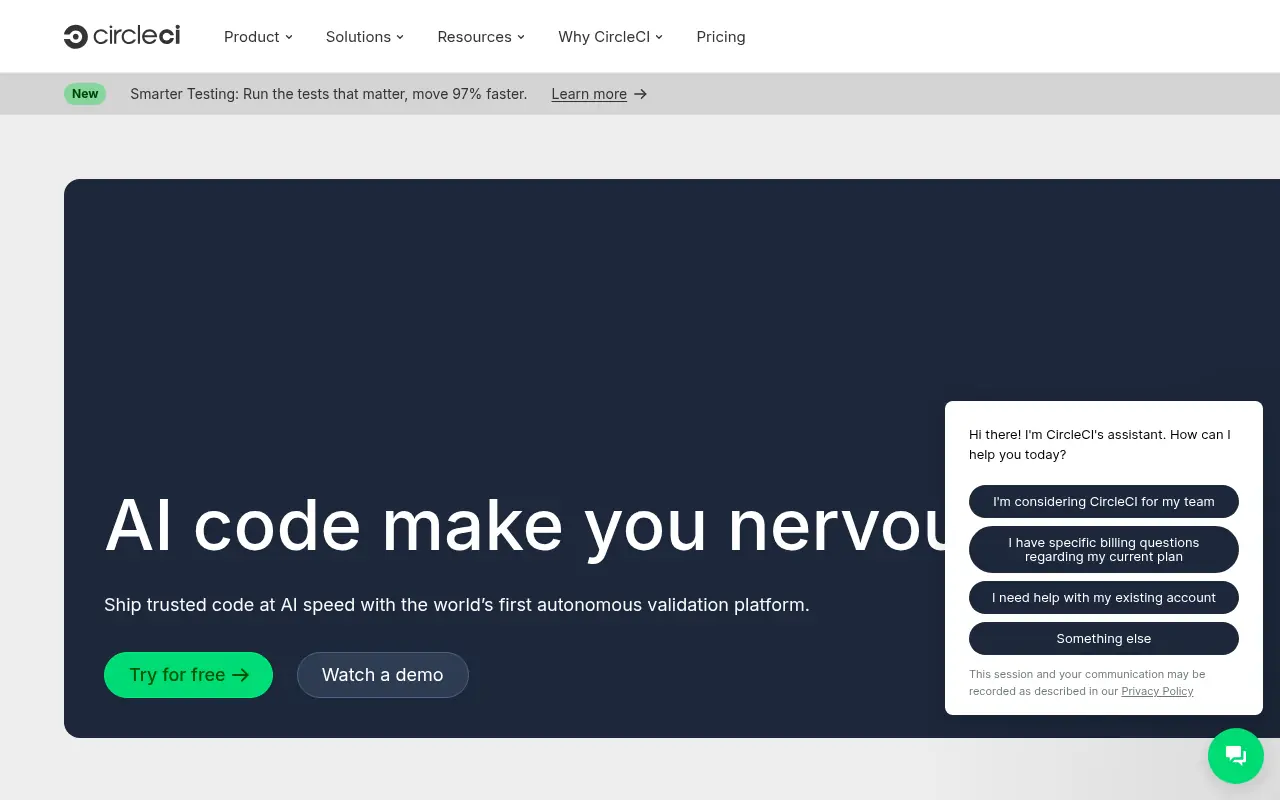

CircleCI
CircleCI is a leading continuous integration and continuous delivery (CI/CD) platform that automates the software development process from code building to deployment.
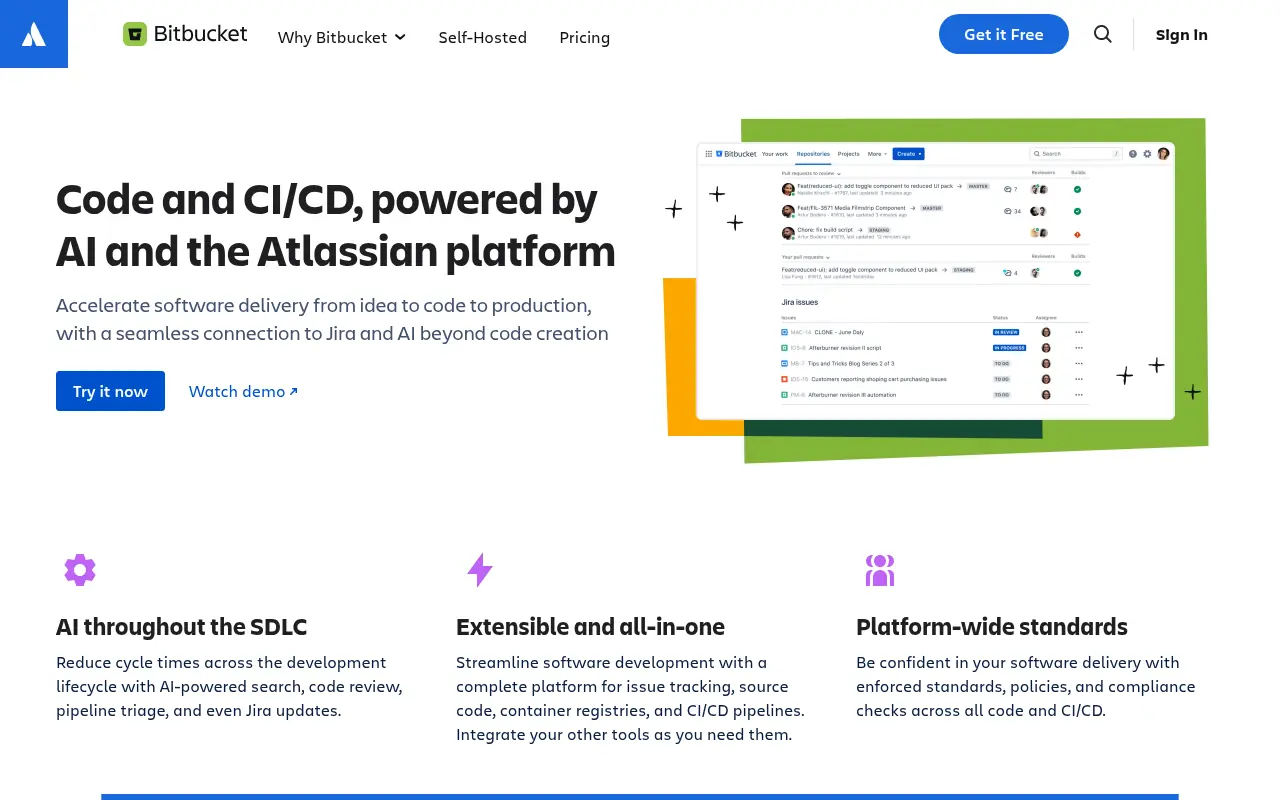

Bitbucket
Bitbucket is a Git-based code hosting and collaboration platform offering seamless Jira integration, built-in CI/CD pipelines, and robust enterprise security.