

MongoDB
What is MongoDB?
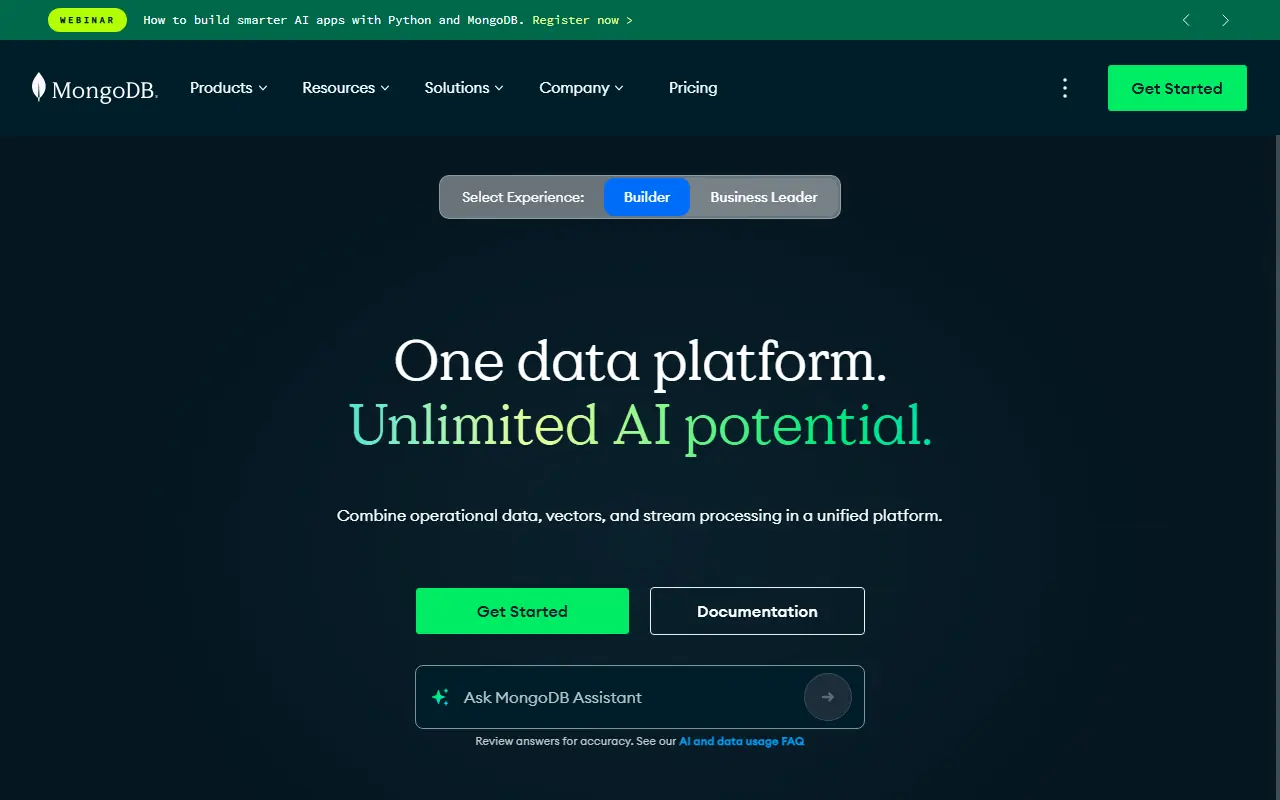
MongoDB is a leading document-oriented NoSQL database platform designed to handle large volumes of unstructured and semi-structured data. Unlike traditional relational databases, it stores data in flexible, JSON-like documents, making it highly adaptable to changing application requirements. Through its cloud-native service, MongoDB Atlas, it offers a fully managed multi-cloud database solution that automates infrastructure provisioning, setup, and scaling. Its mission is to empower developers to unleash the power of software and data by removing database friction. Recently, it has expanded to heavily support artificial intelligence initiatives through built-in features like Atlas Vector Search, making it a critical tool for generative AI and machine learning workloads.
How to use MongoDB?
To start using MongoDB, sign up for a free MongoDB Atlas account online and deploy a cloud database cluster in just a few clicks. Next, configure network access by whitelisting your IP address and create your database user credentials. Finally, connect your application code to the database using one of MongoDB's many official language drivers, or use the MongoDB Compass GUI to visually query, analyze, and manage your collections.
MongoDB's Core Features
The document data model maps directly to objects in application code, providing unmatched developer productivity.
MongoDB Atlas provides a fully managed, multi-cloud database service globally across AWS, Azure, and Google Cloud.
Atlas Vector Search natively integrates vector embeddings to simplify the architecture of AI and machine learning applications.
Built-in horizontal scaling through sharding easily handles massive growth in unstructured data and application traffic.
High availability is guaranteed out-of-the-box with automated replica sets, self-healing architecture, and data redundancy.
MongoDB Compass provides a powerful, free graphical user interface (GUI) for querying, visualizing, and manipulating data.
Flexible schema design allows applications to iterate and evolve rapidly without expensive, time-consuming database migrations.
Enterprise-grade security features include end-to-end encryption, network isolation, and sophisticated role-based access control.
MongoDB's Use Cases
- #1
Building scalable generative AI and LLM applications using Atlas Vector Search.
- #2
Managing real-time analytics and high-speed data streaming.
- #3
Developing robust content management systems (CMS) with dynamic schemas.
- #4
Handling massive volumes of IoT (Internet of Things) sensor data.
- #5
Powering mobile applications with offline-first synchronization via Atlas Device SDKs.
- #6
Creating unified single-view user profiles and managing session data.
- #7
Modernizing legacy monolithic systems into agile microservices architectures.
Frequently Asked Questions
Analytics of MongoDB
Monthly Visits Trend: Jun 2025 - Aug 2026
Traffic Sources
AI Channel Traffic Trends
Top Regions
| Region | Traffic Share |
|---|---|
| India | 38.74% |
| United States | 14.66% |
| Germany | 2.91% |
| Pakistan | 2.71% |
| United Kingdom | 2.62% |
Top Keywords
| Keyword | Traffic | CPC |
|---|---|---|
| mongodb | 351.3K | $1.05 |
| mongodb atlas | 144.9K | $1.91 |
| mongo db | 43.8K | $1.28 |
| mongodb compass | 31.3K | $1.33 |
| atlas | 492.2K | $1.54 |
Alternative of MongoDB

Sanity
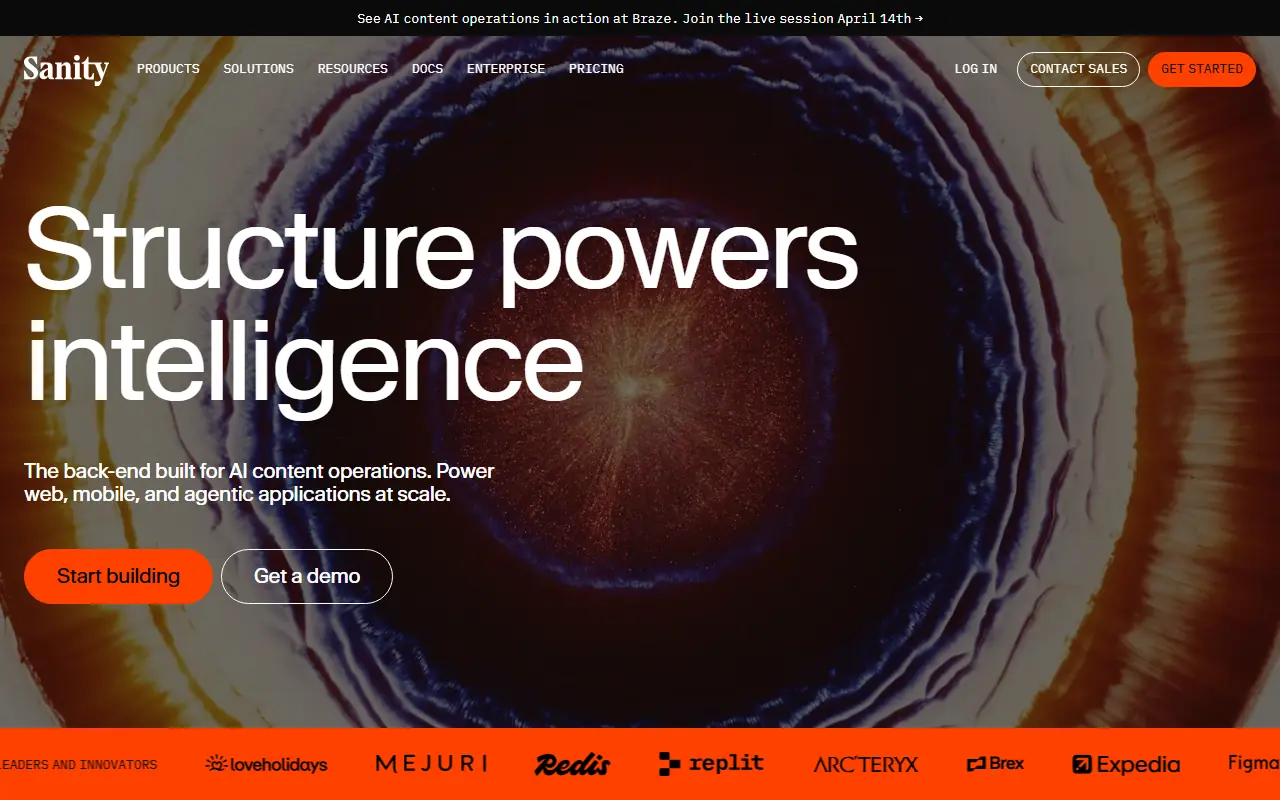
Sanity is a highly customizable headless CMS and structured content platform that allows teams to manage content globally and deliver it across any channel via APIs.

BytePlus
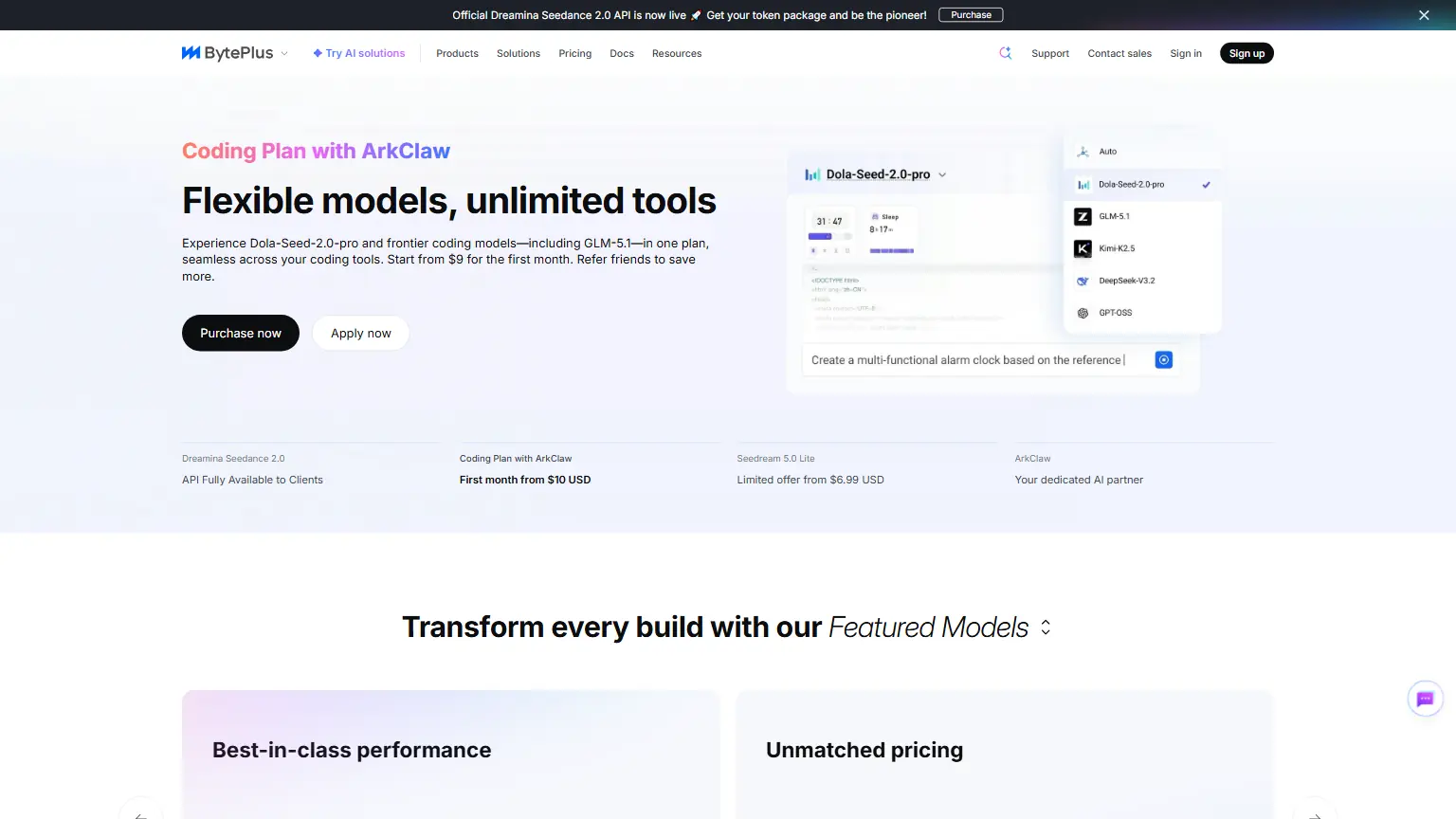
BytePlus provides enterprise-grade AI cloud infrastructure, enabling teams to scale workflow automation, optimize user experience, and drive efficiency using ByteDance's advanced machine learning models.

Labellerr
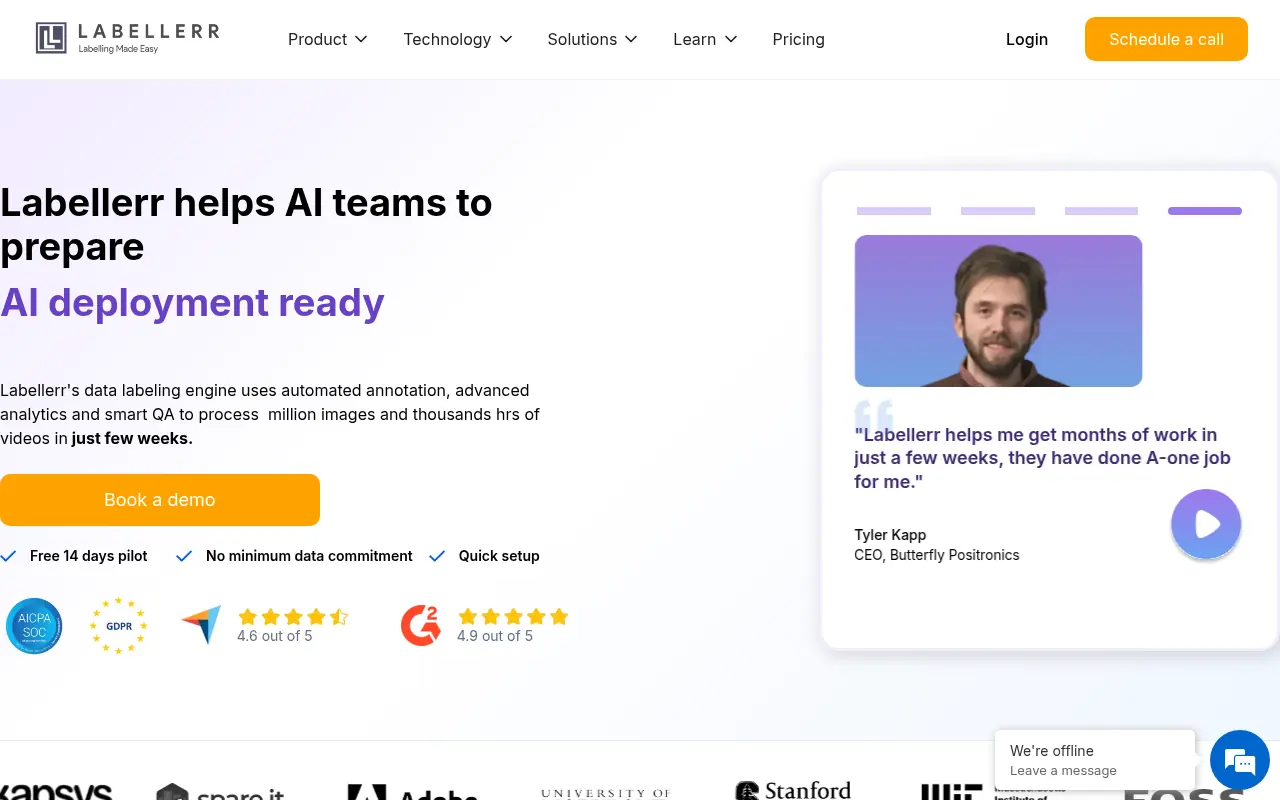
Labellerr is an AI-powered data labeling platform that automates annotation tasks for machine learning model training across multiple data formats.
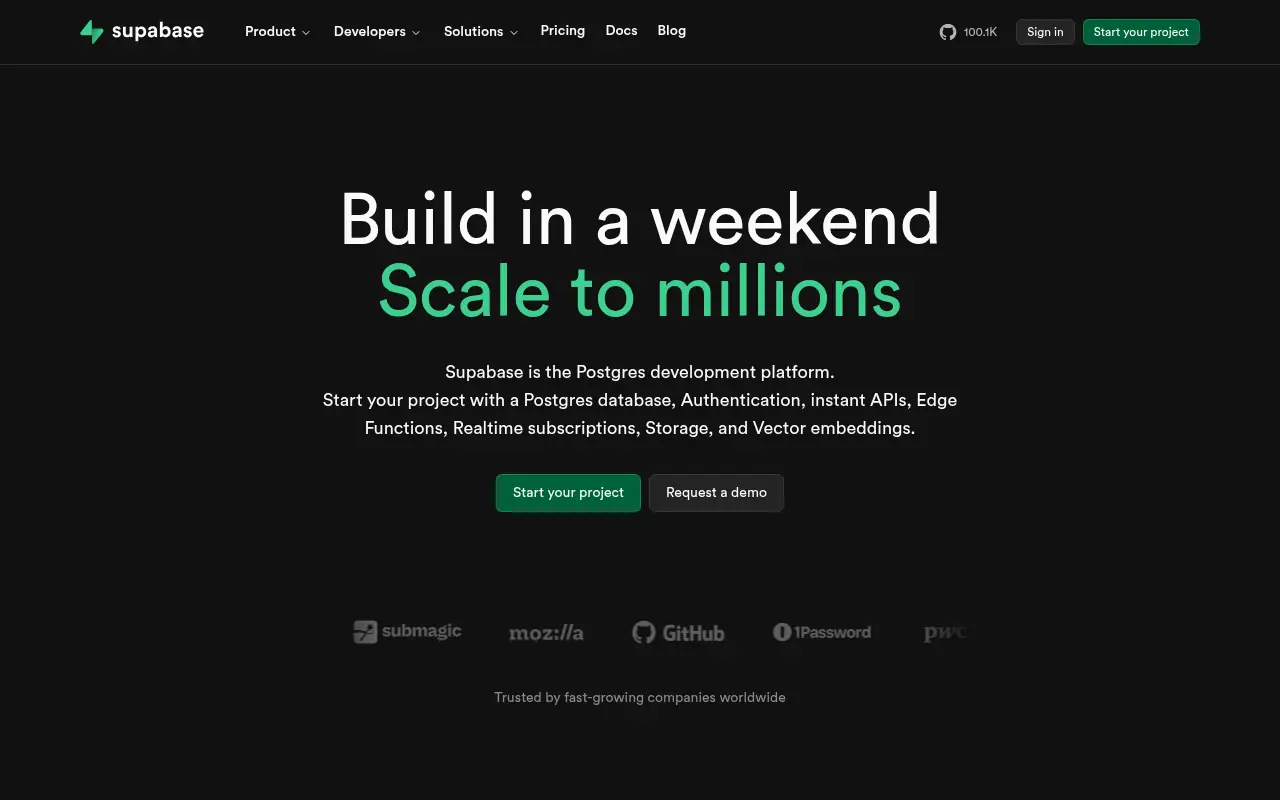

Supabase
Supabase is an open-source Firebase alternative providing developers with a dedicated Postgres database, authentication, instant APIs, edge functions, realtime subscriptions, and storage.
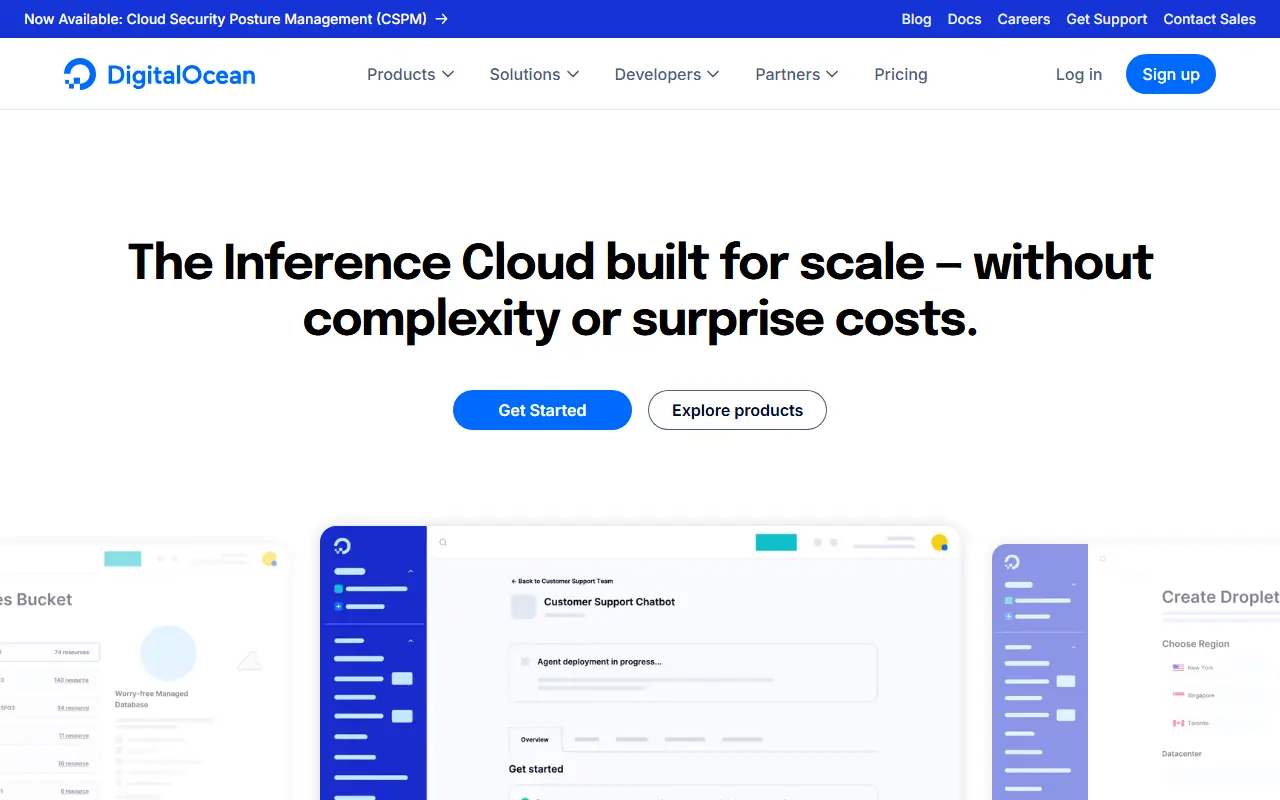

DigitalOcean
DigitalOcean is a cloud hosting provider that offers simplified cloud computing services, infrastructure, and developer tools for startups and small-to-medium businesses.
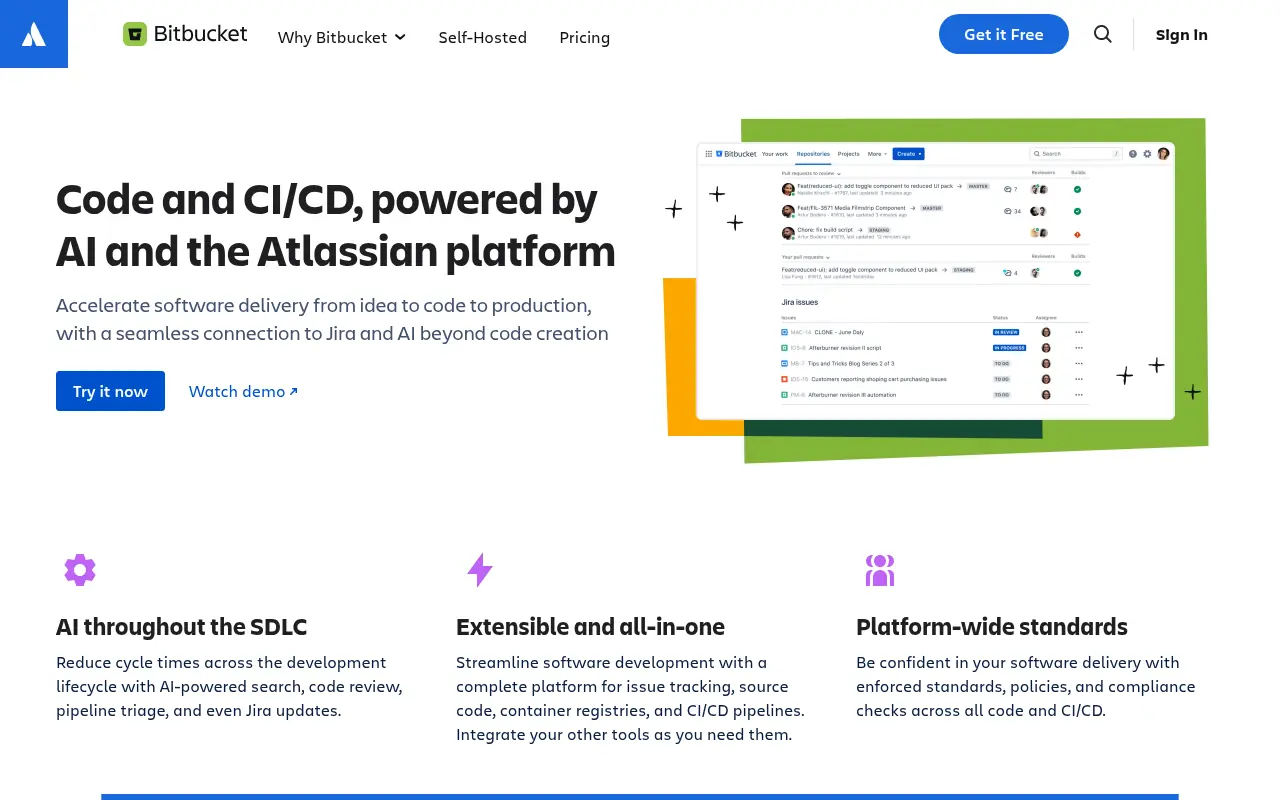

Bitbucket
Bitbucket is a Git-based code hosting and collaboration platform offering seamless Jira integration, built-in CI/CD pipelines, and robust enterprise security.
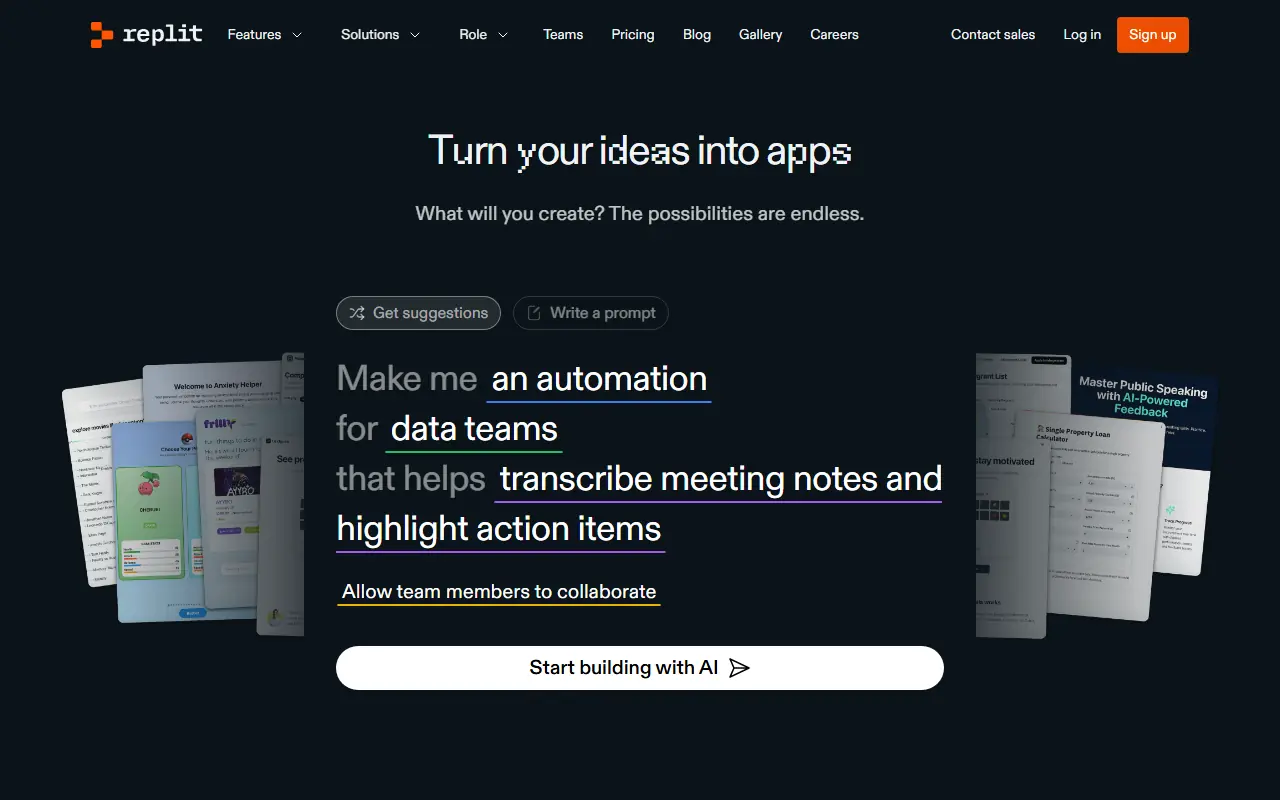

Replit
Replit is an AI-powered online platform for coding, collaborating, and deploying software in various programming languages directly from the browser.
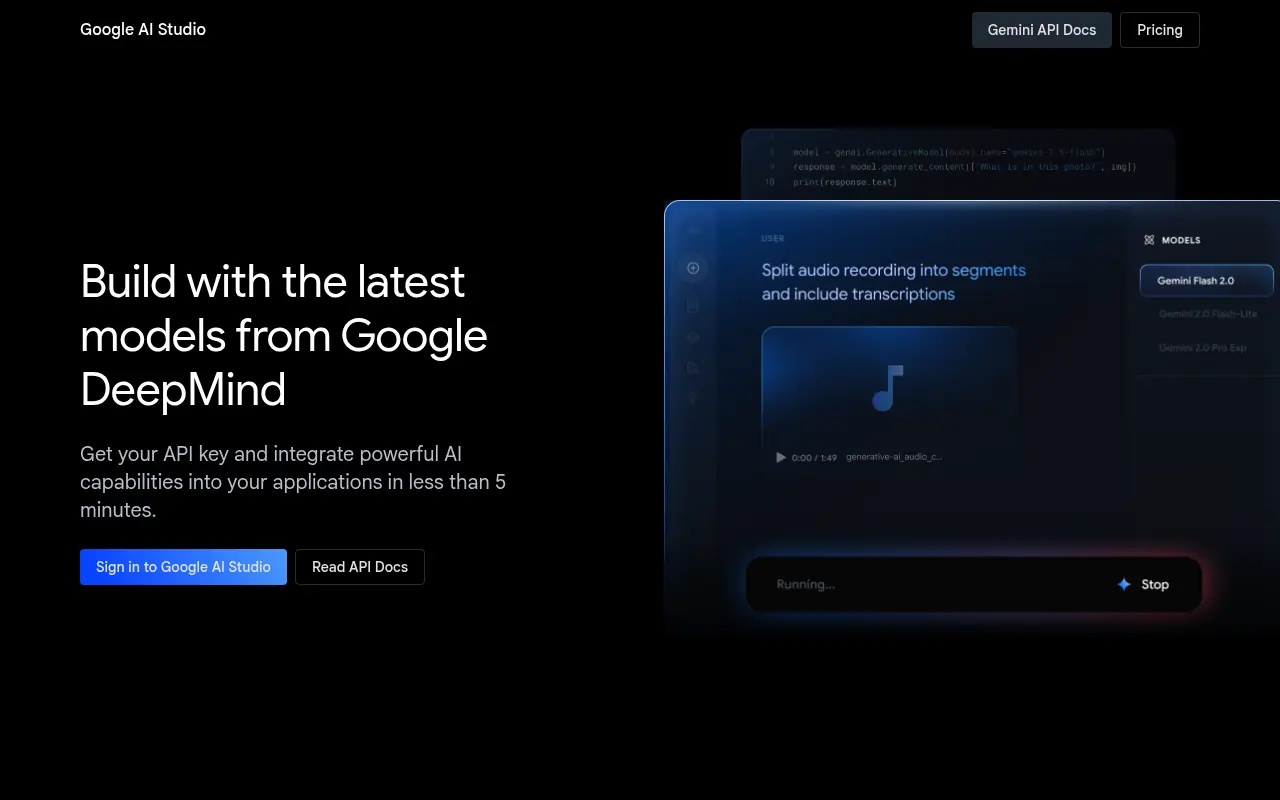

Google AI Studio
Google AI Studio is a browser-based IDE for prototyping and building AI applications with Google's Gemini models.