

Cognee
What is Cognee?
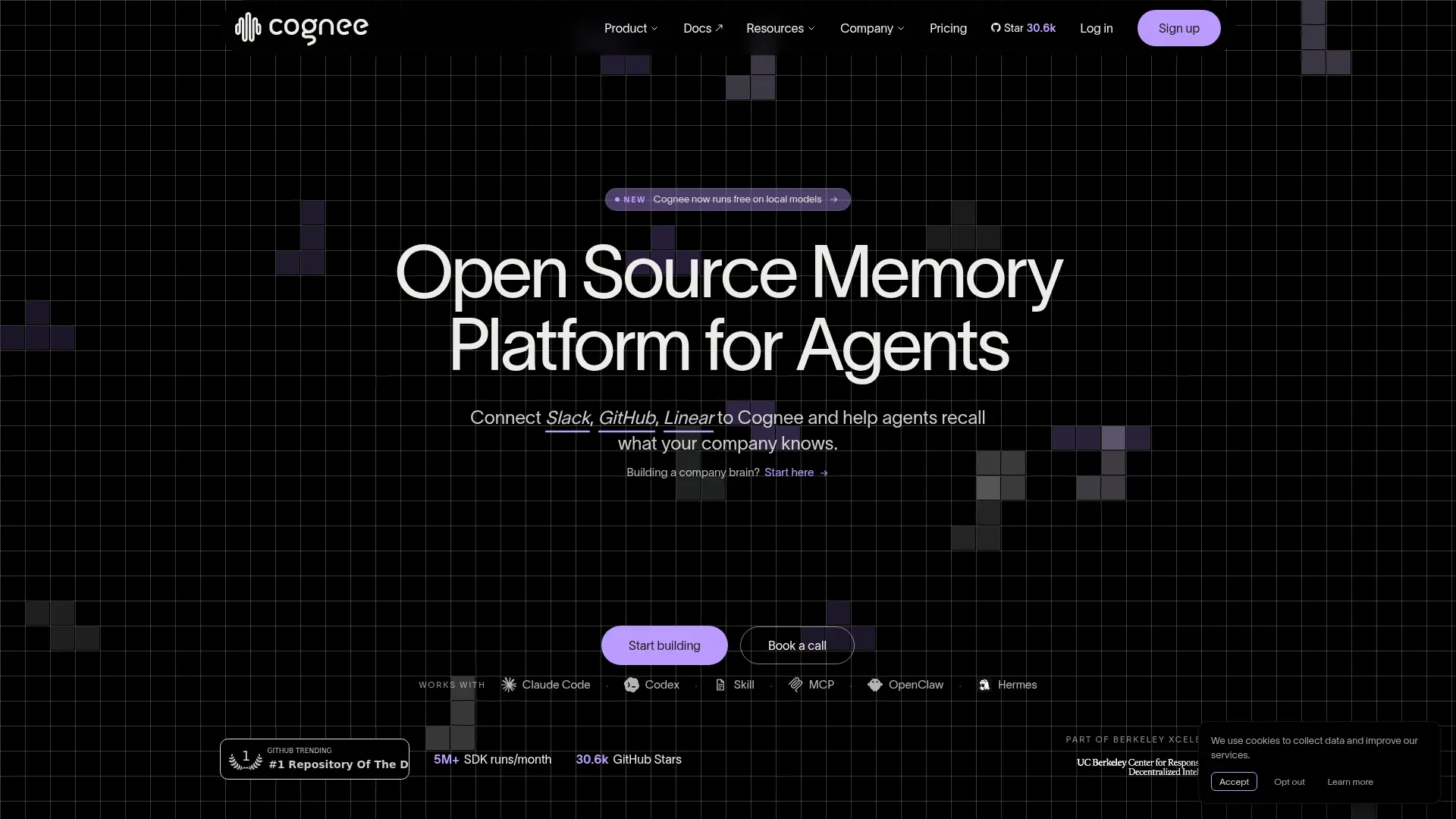
Cognee is an open-source memory platform for AI agents that turns documents, conversations, code, and other data into persistent, queryable memory. It combines vector search, knowledge graphs, and relational storage to help agents retrieve connected context rather than isolated text fragments. Automatically generated or custom ontologies structure entities, relationships, and domain rules for more meaningful retrieval. Developers can use the Python SDK, HTTP API, or MCP server to build agent memory, semantic search, GraphRAG, document intelligence, and internal copilot workflows. Cognee supports local, self-hosted, on-premises, Docker, Kubernetes, and managed cloud deployments, giving teams control over infrastructure and data handling.
How to use Cognee?
- 1. Sign up for Cognee Cloud or install the open-source package locally with Python or Docker. 2. Add documents, conversations, code, or connected data sources, then process them into structured memory with Cognee's ingestion and graph-building workflows. 3. Query the resulting memory through the web interface, SDK, HTTP API, MCP, or an AI agent connection to retrieve connected answers and citations.
Cognee's Core Features
Persistent Agent Memory: Preserve relevant context across sessions so agents avoid repeatedly relearning facts, decisions, and workflows.
Knowledge Graph Construction: Convert ingested data into connected entities and relationships that support contextual retrieval and multi-hop reasoning.
Hybrid Retrieval: Combine vector, graph, and relational retrieval to return connected context instead of only similar text chunks.
Ontology Generation: Automatically create or upload custom ontologies that structure knowledge around domain-specific entities and relationships.
Memory-Native API: Use remember, recall, improve, and forget operations to manage agent memory through a consistent SDK, HTTP, or MCP interface.
Multi-Format Ingestion: Import text, files, URLs, conversations, repositories, and connected data sources into searchable memory.
MCP Agent Connections: Connect Cognee memory to compatible AI agents, coding tools, and automation platforms through MCP.
Self-Hosted Deployment: Run Cognee locally, in Docker, on Kubernetes, on-premises, or in air-gapped environments for greater infrastructure control.
Dataset Permissions: Isolate datasets and control access with tenant, user, role, and dataset-level permissions.
Citation Preservation: Keep source references attached to recalled information so agents can provide traceable answers.
Cognee's Use Cases
- #1
Developers building AI agents that remember user preferences, decisions, and task history across sessions
- #2
Engineering teams creating coding agents that recall repositories, issues, pull requests, and internal development rules
- #3
Companies building a permission-aware company brain from documentation, Slack conversations, tickets, and operational knowledge
- #4
Research teams combining papers, notes, datasets, and conversations for semantic search and multi-hop reasoning
- #5
Product teams creating internal copilots that answer questions using connected organizational knowledge
- #6
Support teams building customer service agents with persistent access to product documentation and prior case context
- #7
AI engineers deploying GraphRAG pipelines that need structured relationships instead of vector-only retrieval
- #8
Organizations requiring self-hosted or air-gapped AI memory infrastructure for sensitive data
Frequently Asked Questions
Analytics of Cognee
Monthly Visits Trend: Jun 2025 - Oct 2026
Traffic Sources
Top Regions
| Region | Traffic Share |
|---|---|
| United States | 26.09% |
| India | 13.34% |
| United Kingdom | 9.01% |
| Germany | 6.01% |
| Hong Kong | 4.03% |
Top Keywords
| Keyword | Traffic | CPC |
|---|---|---|
| cognee | 9.1K | $3.51 |
| cognee ai | 970 | -- |
| ai memory | 9.8K | $4.85 |
| can i integrate chatgpt into claude | 130 | -- |
| which is the best memory layers for ai agents as of now | 90 | -- |
Alternative of Cognee

Graphify
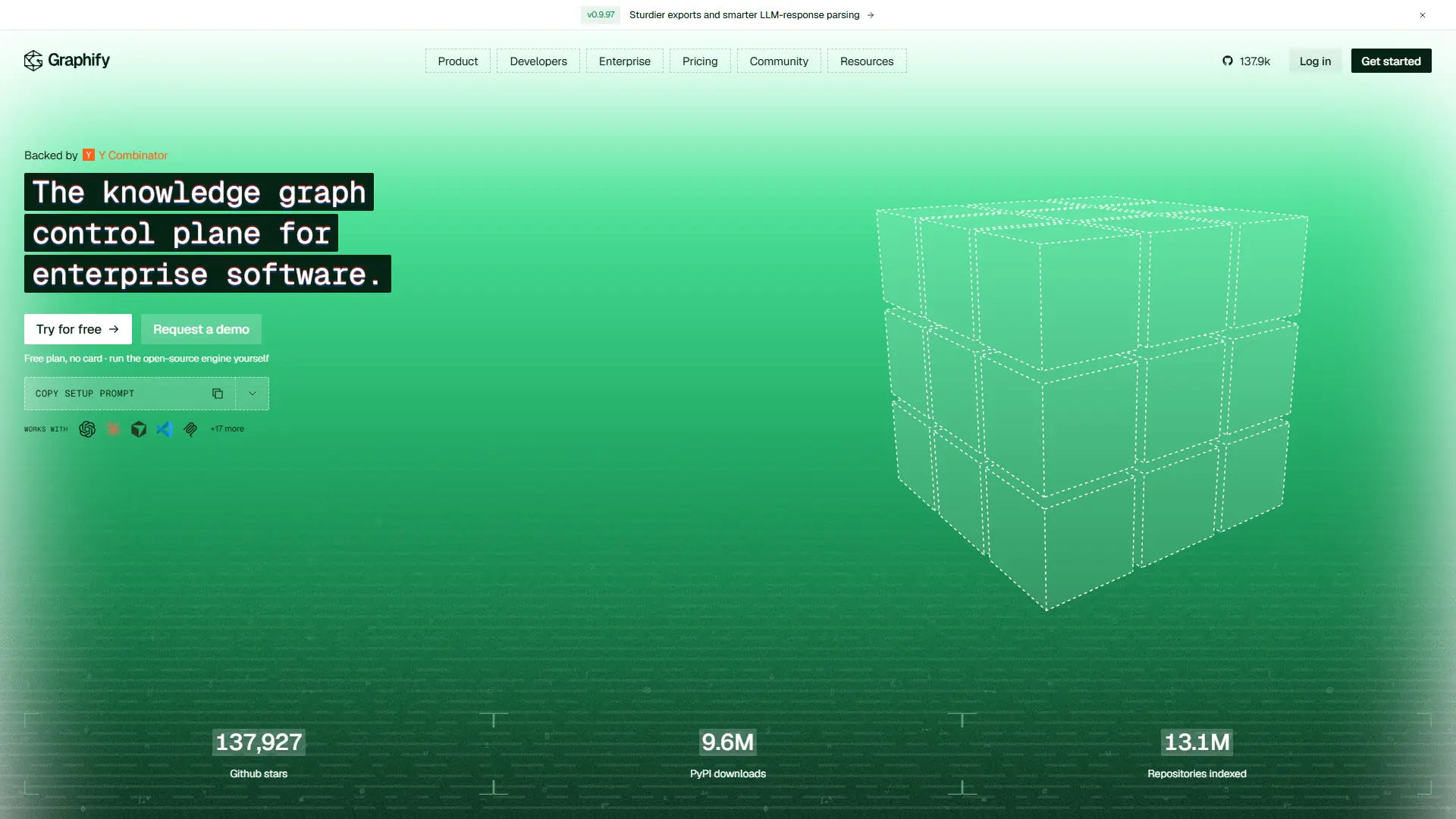
Give coding assistants a connected map of repositories, source evidence, and shared knowledge before they change software.

Zep
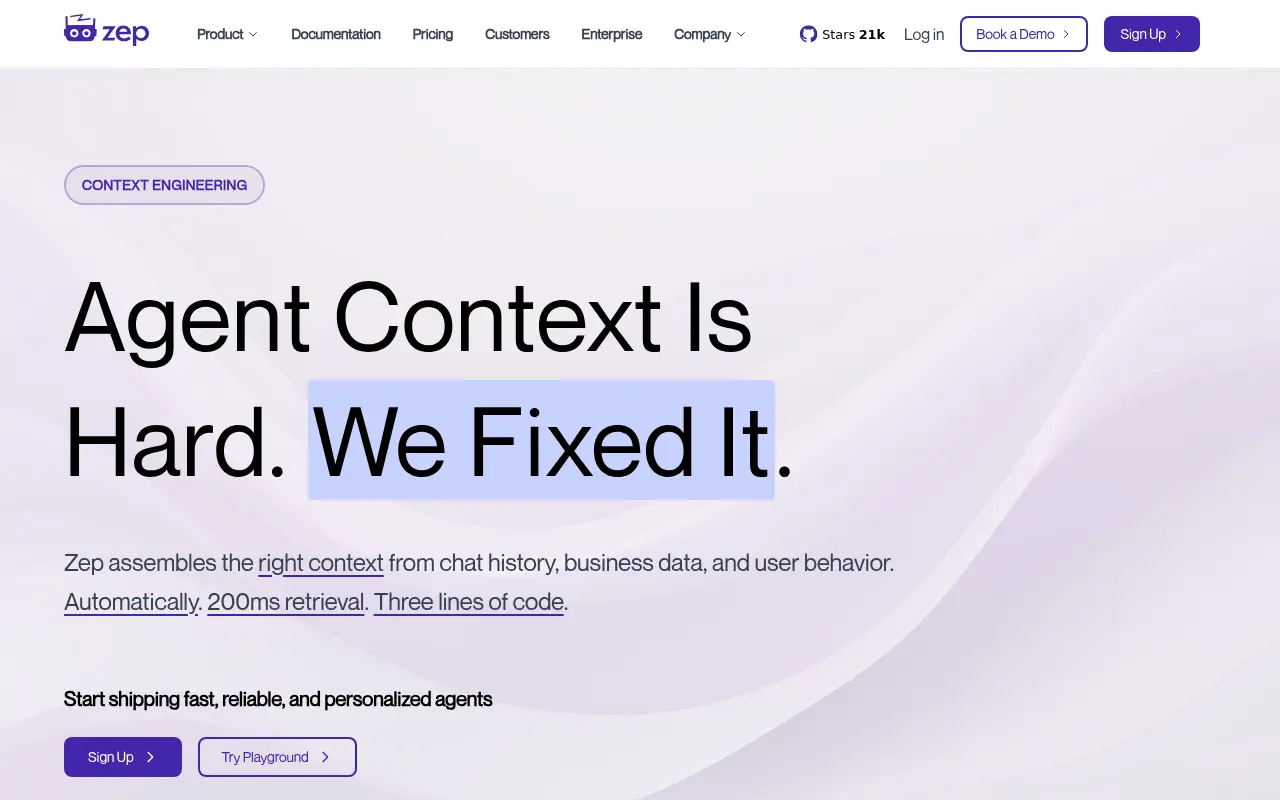
Zep is a context engineering and agent memory platform that builds a temporal knowledge graph and unified context layer so AI agents can reliably access up-to-date, personalized information from user interactions and business data.


Linnk AI
Linnk AI provides AI-powered tools for summarizing, translating, and analyzing documents to streamline research and workflow for professionals and academics.


GitMind
GitMind is an AI-powered collaborative mind mapping and brainstorming tool for creating and sharing visual diagrams.


Helpjuice
Helpjuice is a highly customizable, cloud-based knowledge base software designed to help businesses effortlessly create, manage, and scale internal wikis and external customer support hubs.


Sana
Sana is an enterprise AI platform that unifies company knowledge, automates workflows, and powers personalized learning experiences.


Grokipedia
Grokipedia is an AI-powered online encyclopedia designed to provide users with open, AI-generated knowledge on a vast array of topics, aiming to be a transparent and efficient alternative to Wikipedia.


Nomic AI
Nomic AI provides powerful AI tools and models to help organizations understand, manage, and visualize complex unstructured data across text, images, and documents.