

Zep
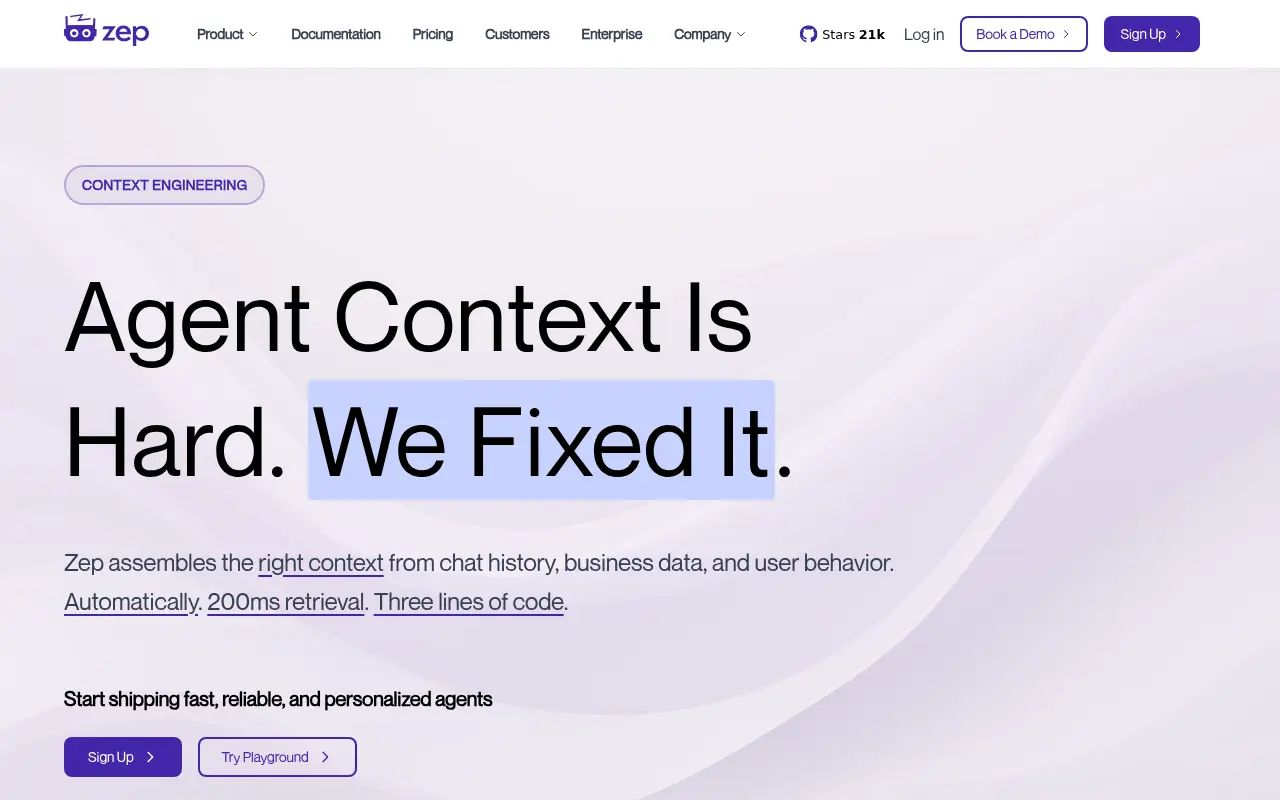
What is Zep?
Zep is a context engineering and agent memory platform designed to give AI agents rich, long-term, and up-to-date memory built on a temporal knowledge graph.It systematically assembles personalized context from chat history, user behavior, business data, and documents into a unified knowledge graph and optimized context blocks for LLMs.By combining Graph RAG, agent memory, and context assembly, Zep helps reduce hallucinations and improve the accuracy and reliability of agent applications.The platform is built for developers, offering a simple API that ingests data, updates the graph as facts change, and retrieves only the most relevant context with low-latency performance.Zep’s mission is to let teams ship fast, personalized AI agents in days instead of months by removing the need to build and maintain custom context and memory pipelines.
How to use Zep?
To use Zep effectively, a developer signs up for an account, obtains API credentials, and connects their application’s data sources—such as chat history, CRM data, app events, and documents—via Zep’s ingestion endpoints.The app then persists user interactions and business data to Zep, which automatically extracts entities, relationships, and facts to update its temporal knowledge graph.At inference time, the application calls Zep’s APIs (for example, `thread.add_messages` with `return_context` or graph search methods) to retrieve an optimized context block containing relevant user summaries and facts, which is passed directly into the LLM prompt as the agent’s memory.Developers can customize context templates, entity types, and relationship models to match their domain and iterate on their agent behavior without rebuilding the underlying memory infrastructure.
Zep's Core Features
Temporal knowledge graph that models entities, relationships, and changing facts over time for AI agents.
Automated ingestion of chat messages, business data, app events, and documents into a unified knowledge store.
Graph RAG combining knowledge graph traversal with semantic search for relationship-aware context retrieval.
Pre-assembled context blocks optimized for LLM prompts, including user summaries, relevant facts, and entities.
Low-latency context retrieval (on the order of hundreds of milliseconds) designed not to slow down agents.
Support for persistent agent memory across sessions, retaining user preferences, history, and important facts.
Document vector store with automatic local embeddings and hybrid search over semantic vectors and metadata.
Simple, developer-friendly API for adding messages, querying context, and managing threads and graphs.
Customizable entity types, relationship models, and user summary instructions for domain-specific memory.
Token-efficient context assembly that includes only the most relevant information to reduce cost and prompt size.
Open-source temporal knowledge graph library and tooling for building advanced memory systems.
Works with popular agent frameworks and can also be used directly without a specific framework.
Enterprise-ready architecture focused on reliability, observability, and scaling high request volumes.
Free tier with full API access to get started without a credit card.
Zep's Use Cases
- #1
Powering a customer support chatbot with persistent memory of user preferences, past tickets, and account status across sessions.
- #2
Enabling a sales or CRM assistant to recall prior conversations, deals, and organization relationships when drafting emails or recommendations.
- #3
Backing a voice or video agent with up-to-date product, user, and transaction data while maintaining sub‑second latency.
- #4
Grounding an internal knowledge assistant with both chat history and document knowledge using a single API and vector store.
- #5
Adding long-term, personalized memory to coding assistants or IDE agents so they remember project standards and user habits.
- #6
Building research or analytics agents that can traverse a temporal knowledge graph of entities and events instead of only static documents.
- #7
Creating domain-specific copilots that leverage custom entity types and relationships to recall exactly the right business context.
Frequently Asked Questions
Analytics of Zep
Monthly Visits Trend: Jun 2025 - Aug 2026
Traffic Sources
AI Channel Traffic Trends
Top Regions
| Region | Traffic Share |
|---|---|
| United States | 33.08% |
| Vietnam | 11.74% |
| India | 9.49% |
| Germany | 6.15% |
| Brazil | 5.34% |
Top Keywords
| Keyword | Traffic | CPC |
|---|---|---|
| zep | 28.2K | $0.70 |
| zep memory | 1.1K | $5.66 |
| graphiti | 12.0K | $4.83 |
| zep ai | 1.1K | $4.29 |
| zep_api_key | 0 | -- |
Alternative of Zep
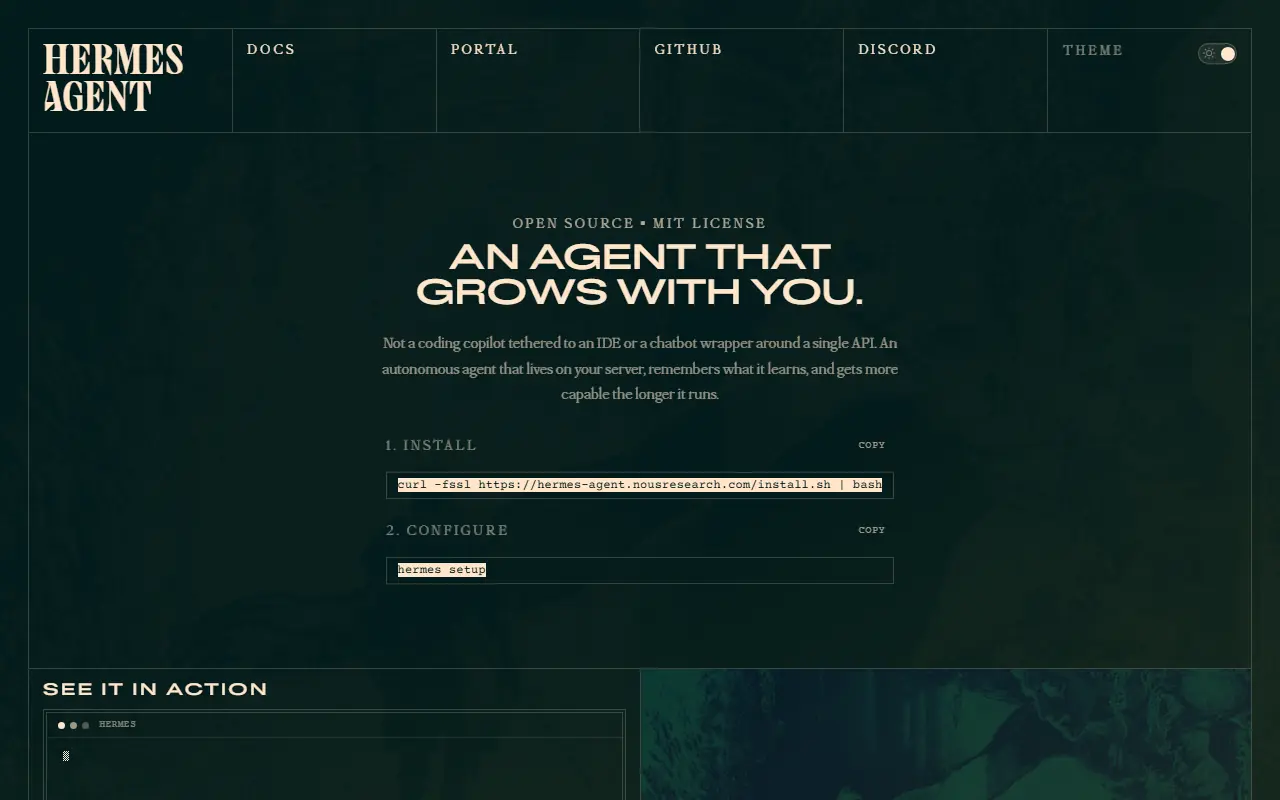

Hermes Agent
An open-source, self-improving AI agent by Nous Research that builds persistent memory across sessions and autonomously creates reusable skills.
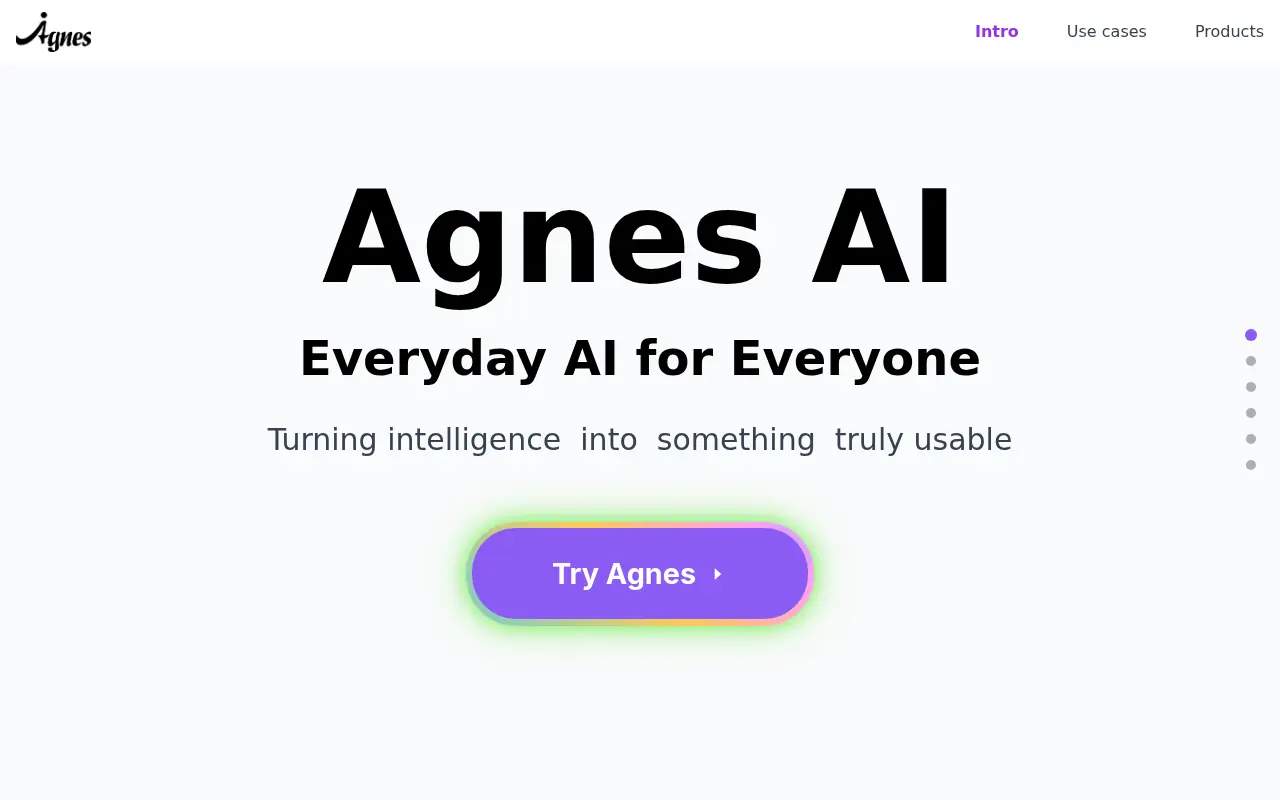

Agnes AI
Agnes AI is a collaborative AI agent platform that helps teams research, summarize content, and generate documents, reports, and slides with real-time data and shared memory.
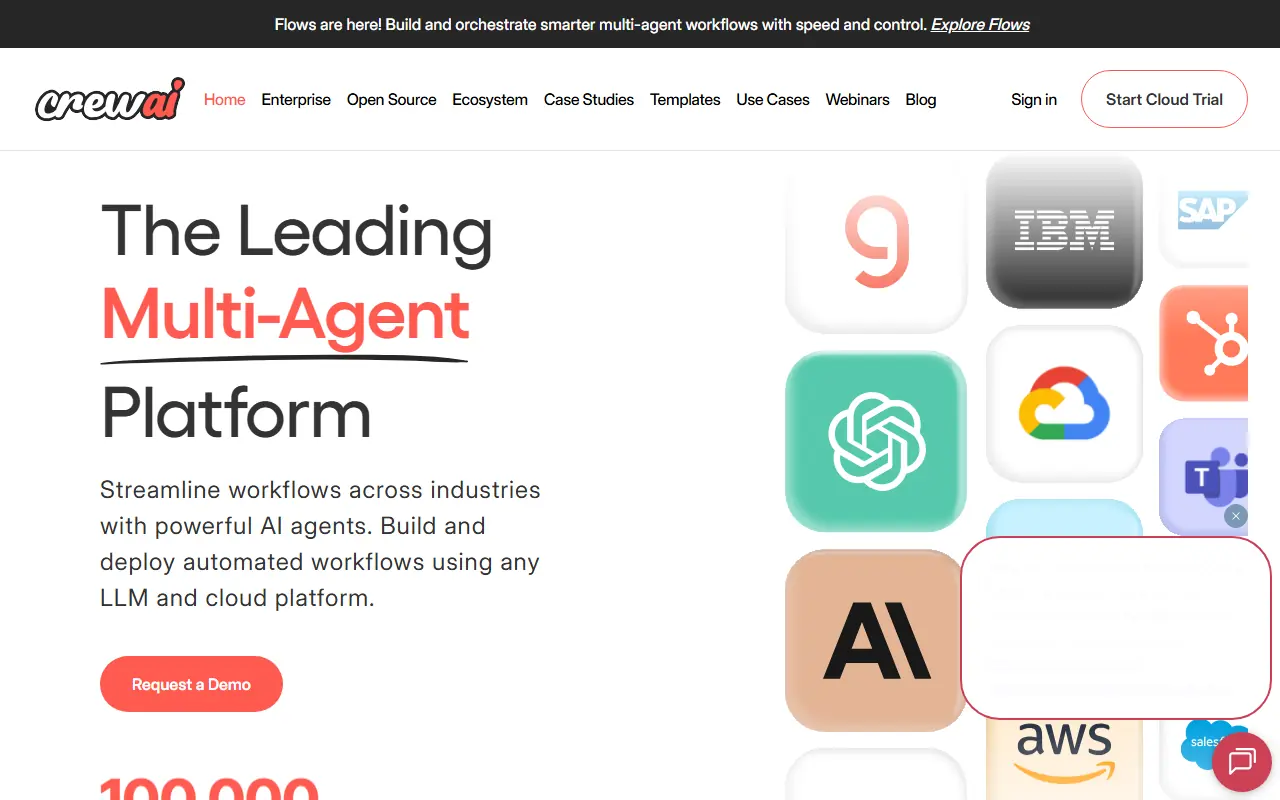

CrewAI
CrewAI is an open-source framework designed to enable the creation of multi-agent AI systems that collaborate autonomously to accomplish complex tasks.
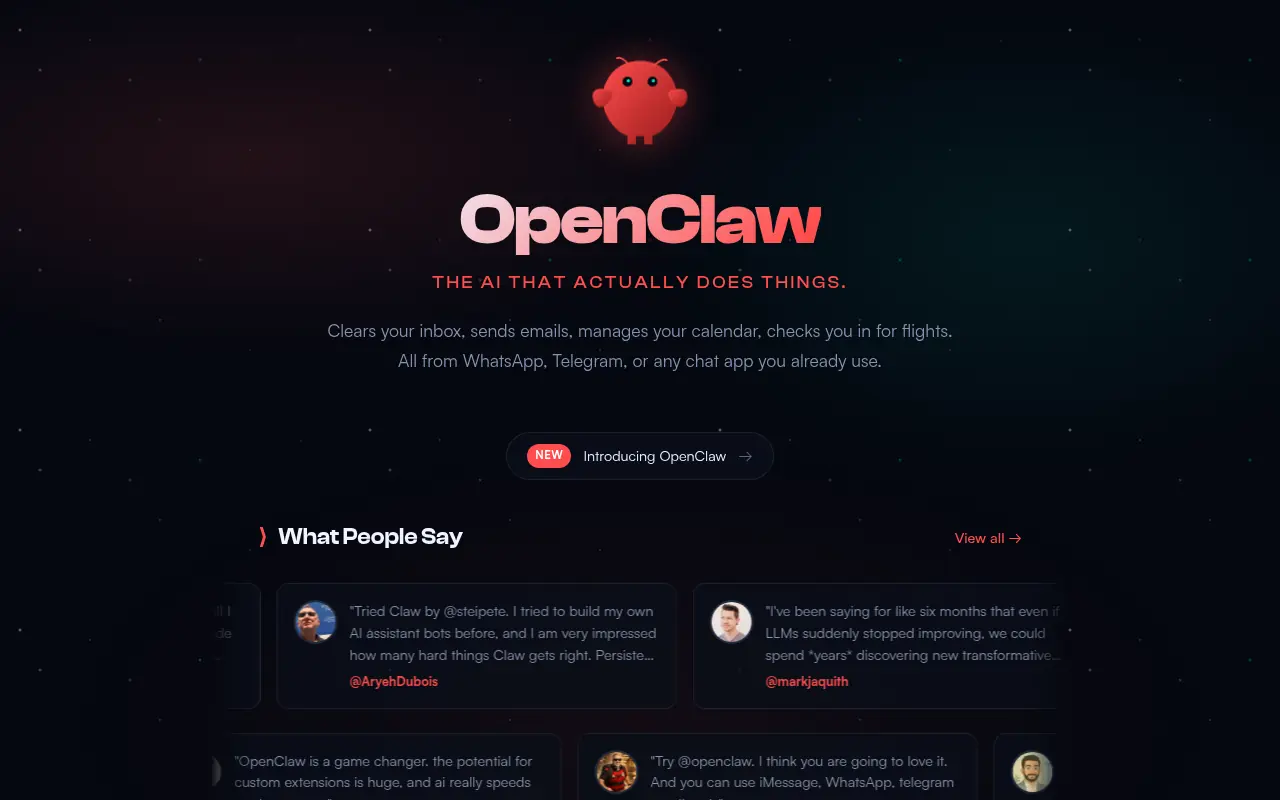

OpenClaw
An open-source, self-hosted personal AI assistant that runs locally and integrates with major messaging apps to execute complex tasks.
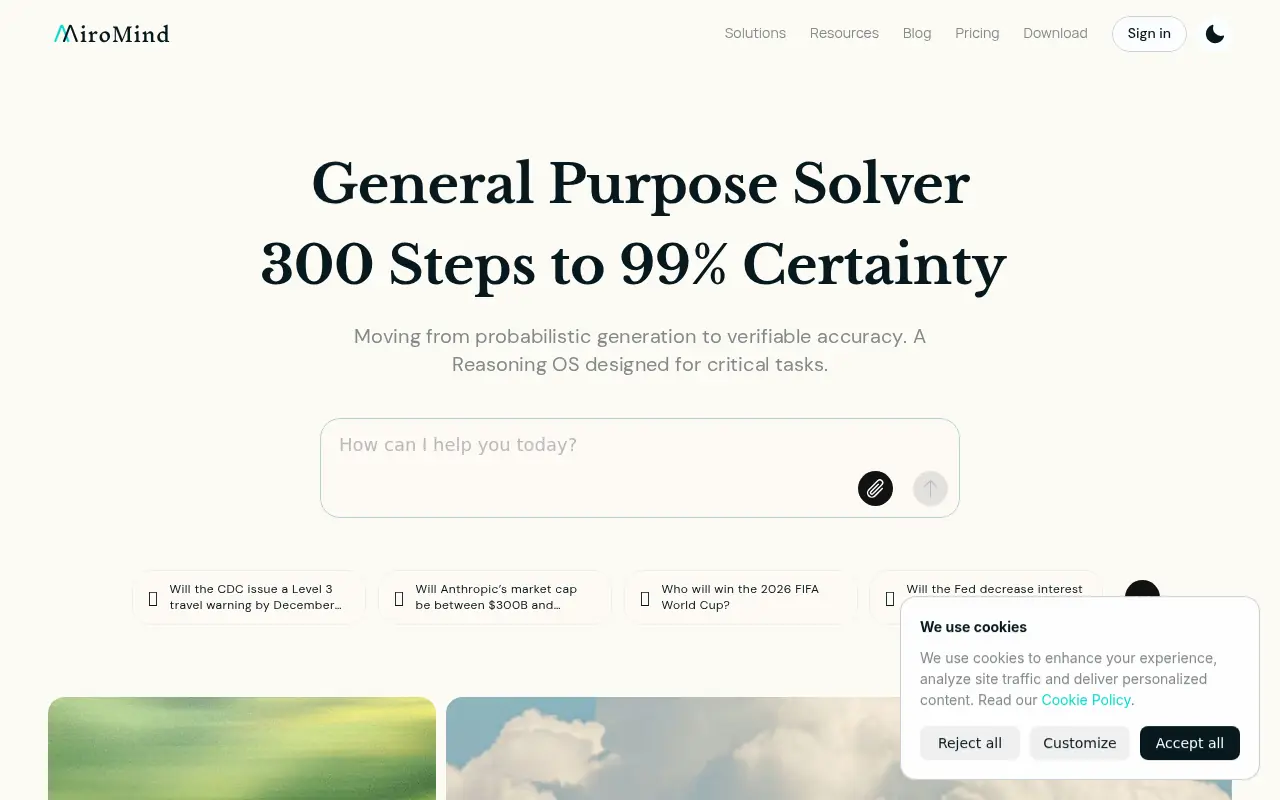

MiroMind
MiroMind is an AI research institute and platform developing advanced open-source reasoning models and agent frameworks for complex problem-solving, verification, and self-evolution.
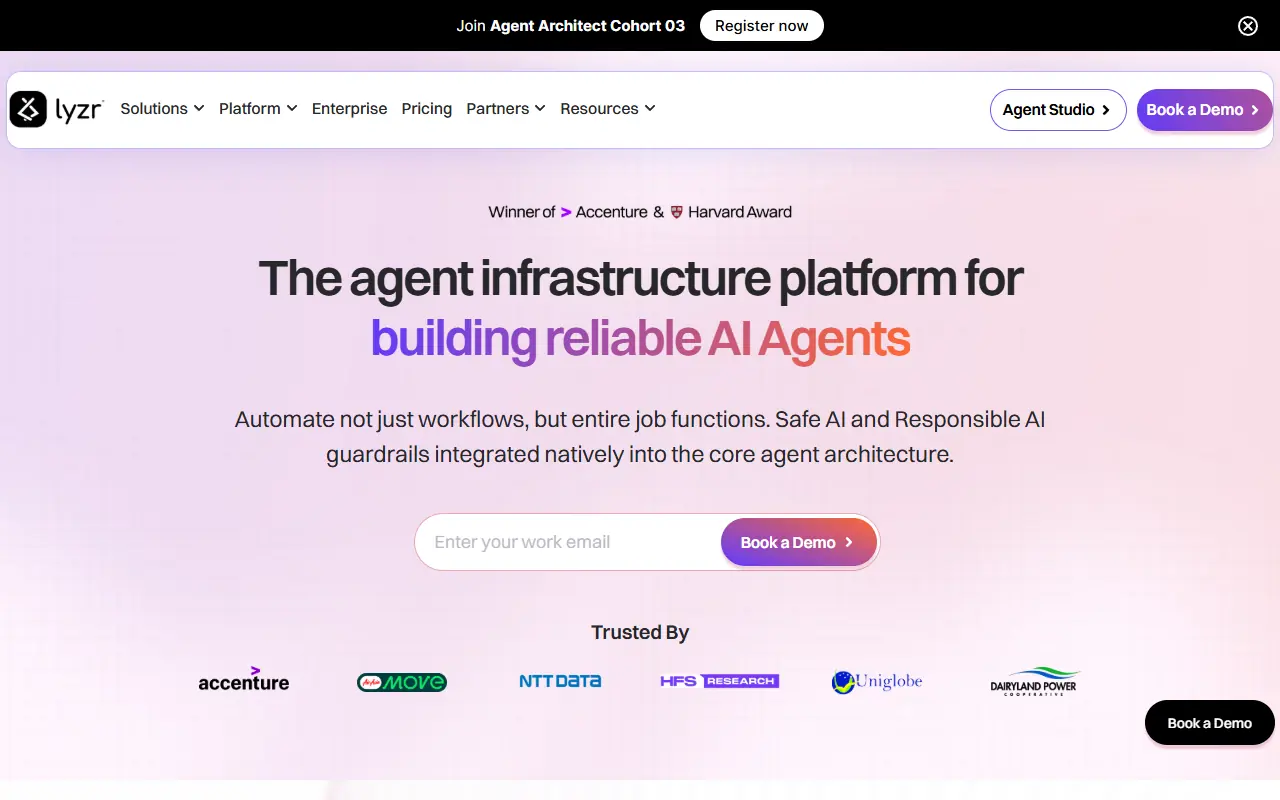

Lyzr
Lyzr is an open-source AI agent framework that enables developers to build autonomous AI agents for enterprise automation and productivity.
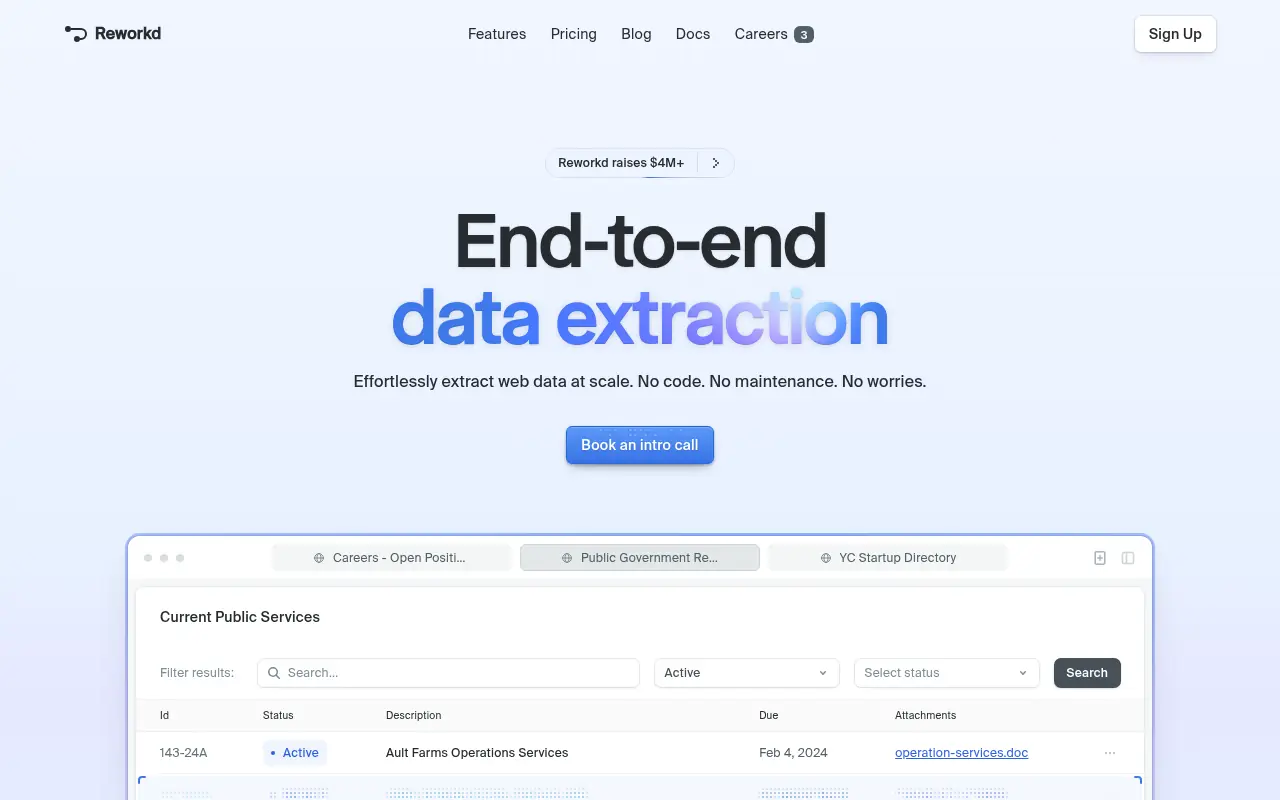

Reworkd AI
Reworkd AI is a platform that enables users to create and deploy autonomous AI agents for automating complex tasks and workflows.
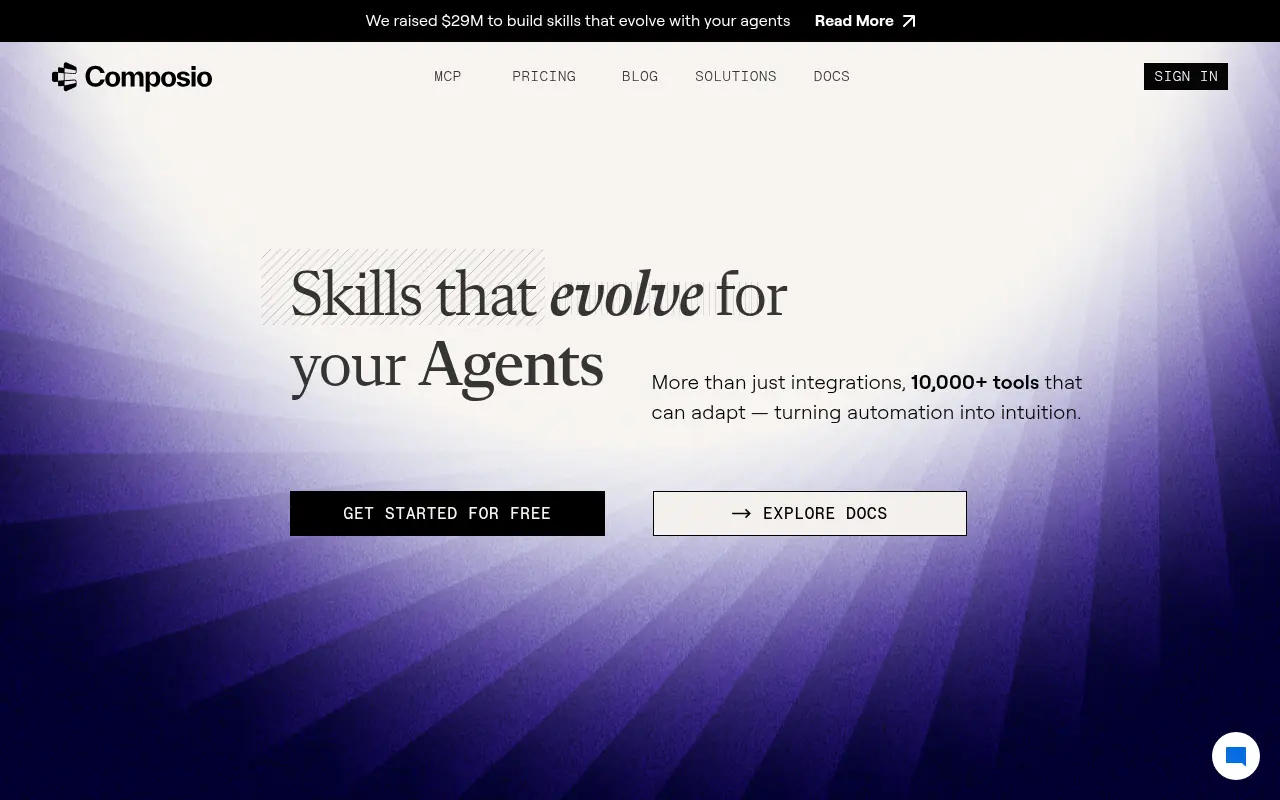

Composio
Composio provides tools to connect AI agents with external applications for seamless automation and integration.