

Which DeepSeek Harness You Actually Want
What is Which DeepSeek Harness You Actually Want?
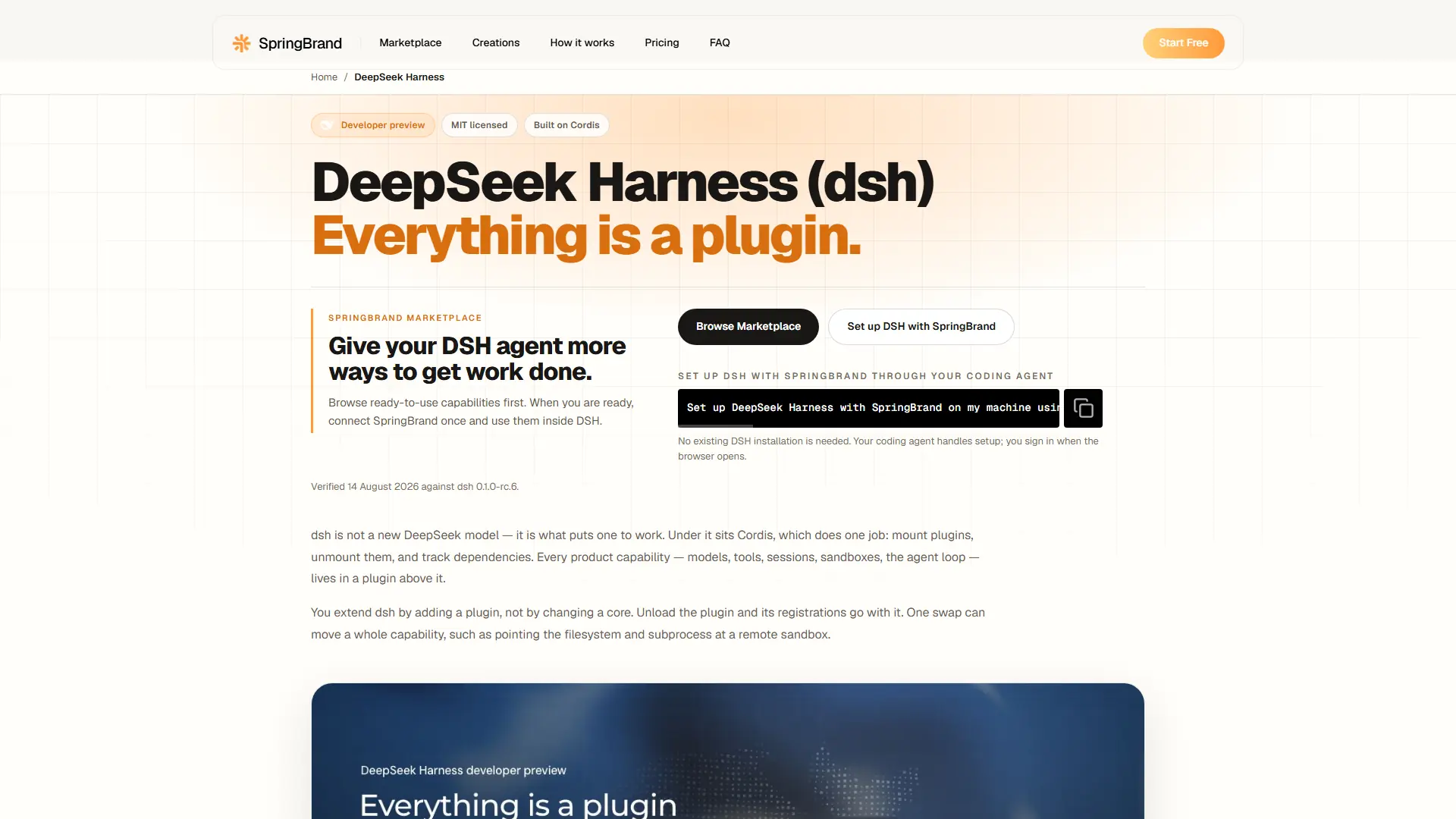
DeepSeek Harness (dsh) is an open-source agent harness developed by DeepSeek AI, while this SpringBrand page is a technical guide and integration path for the official project. It wraps a configured model with a workspace, tools, permissions, session history, and an execution loop rather than training or hosting a model itself. Powered by Cordis, it treats models, tools, skills, sessions, sandboxes, storage, loops, scheduling, and the UI as replaceable plugins. Developers can run it locally through a Web UI or headless profile, and a published Python SDK provides programmatic access. Its main differentiator is that teams can compose and swap the harness architecture itself, although the project remains a developer preview with breaking changes expected.
How to use Which DeepSeek Harness You Actually Want?
Step 1: Install Node.js and launch the local Web UI with `npx @deepseek-ai/dsh web`. Step 2: In Settings, add a supported model-provider credential and choose a workspace directory. Step 3: Select a runtime mode or compose plugins, describe the task, then inspect the trajectory and reuse or fork the session as needed.
Which DeepSeek Harness You Actually Want's Core Features
Plugin-First Architecture: Swap models, tools, skills, sessions, sandboxes, storage, loops, scheduling, and UI components through configuration.
Cordis Kernel: Mount, unmount, and reconnect plugins with reversible registrations and explicit dependency tracking.
Multiple Runtime Modes: Use Standard, Code, Minimal, or Creator mode to match coding, benchmarking, or plugin-development workflows.
Traceable Session Log: Inspect an append-only event stream that supports trajectory views, resume, fork, search, and replay.
Sandbox and Approval Controls: Restrict filesystem effects and require explicit approval for operations that need wider permissions.
Local Web UI: Launch a browser interface on localhost for model setup, workspace selection, sessions, plugins, and runtime inspection.
Headless Runner: Execute one-shot agent tasks without running the Web UI server.
Multi-Provider Model Access: Configure DeepSeek, catalog providers such as Anthropic or OpenAI, native cloud providers, or custom OpenAI-compatible endpoints.
Python SDK: Call a programmatic harness API as an alternative to the browser-based workflow.
SpringBrand MCP Connection: Add SpringBrand marketplace capabilities through its OAuth 2.1 Streamable HTTP MCP client plugin.
Which DeepSeek Harness You Actually Want's Use Cases
- #1
Product engineering teams building a repository-specific coding agent with custom tools, skills, model routing, and workspace policies.
- #2
Model researchers comparing different models against the same Minimal-mode shell and file-editing surface.
- #3
Platform teams embedding an inspectable agent loop behind internal developer or operations interfaces.
- #4
Operations teams assembling repeatable workflows with tools, approvals, storage, and scheduling.
- #5
Plugin authors prototyping Cordis extensions in Creator mode before sharing them through the dsh-plugin ecosystem.
- #6
Developers switching model adapters, sandbox implementations, or storage backends through configuration instead of forking the runtime.
Frequently Asked Questions
Analytics of Which DeepSeek Harness You Actually Want
Monthly Visits Trend: Aug 2025 - Oct 2026
Traffic Sources
Top Regions
| Region | Traffic Share |
|---|---|
| United States | 27.69% |
| Russia | 23.24% |
| Vietnam | 7.28% |
| India | 6.69% |
| Singapore | 4.76% |
Top Keywords
| Keyword | Traffic | CPC |
|---|---|---|
| deepseek harness desktop | 161.4K | $4.19 |
| springbrand ai | 200 | -- |
| springbrand | 260 | -- |
| deepseek harness desktop 0.2.2 | 100 | -- |
| deepseek harness for mac intel | 280 | -- |
Alternative of Which DeepSeek Harness You Actually Want


Multica
Coordinate human developers and AI coding agents in one workspace, with transparent task ownership, automated execution, and reusable team knowledge.

Polsia
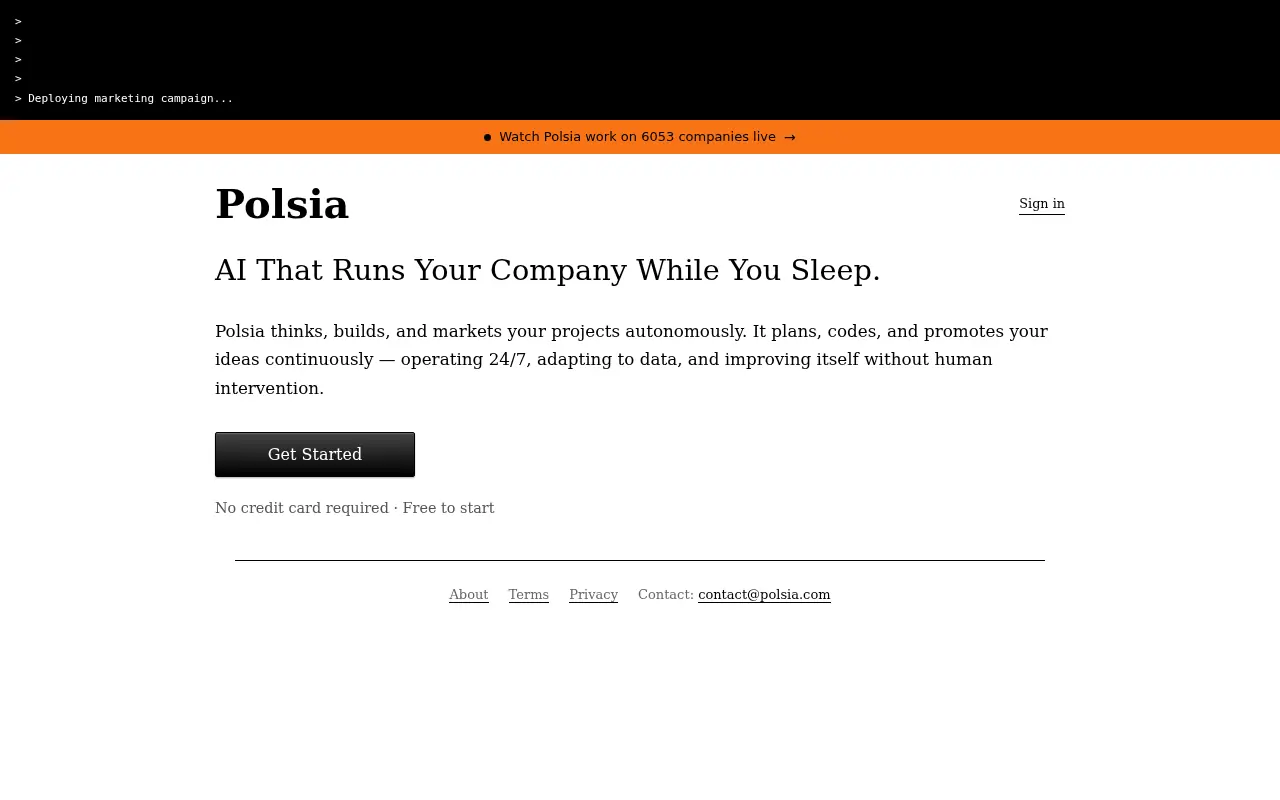
Polsia is an AI-powered autonomous operations platform that plans, builds, and markets companies 24/7 without human intervention.


MindStudio
MindStudio is a visual no-code platform that lets anyone build, deploy, and scale custom AI agents and automated workflows in minutes.

Jenova
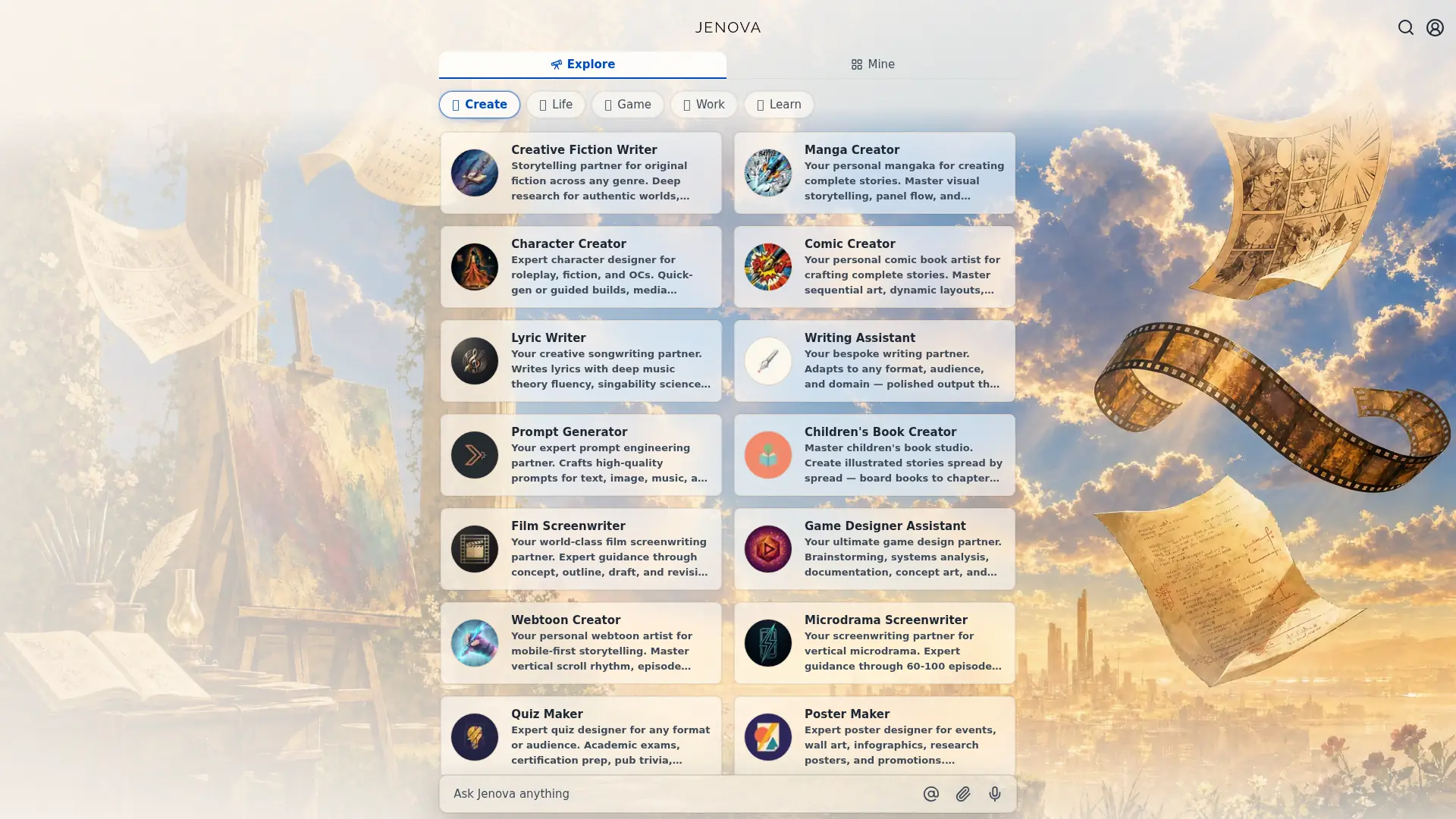
Build, run, and connect AI agents that automate complex workflows without managing models, memory, databases, or tool infrastructure.

OpenClaw
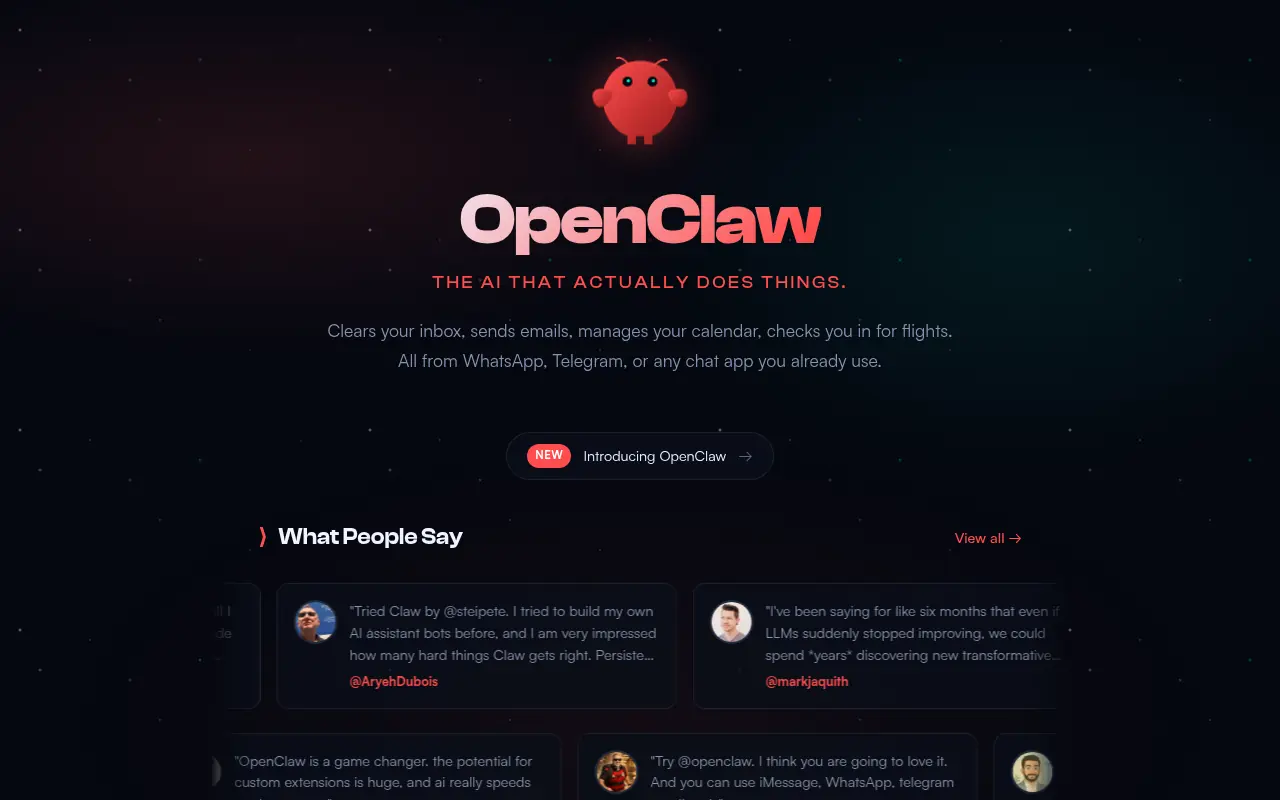
An open-source, self-hosted personal AI assistant that runs locally and integrates with major messaging apps to execute complex tasks.
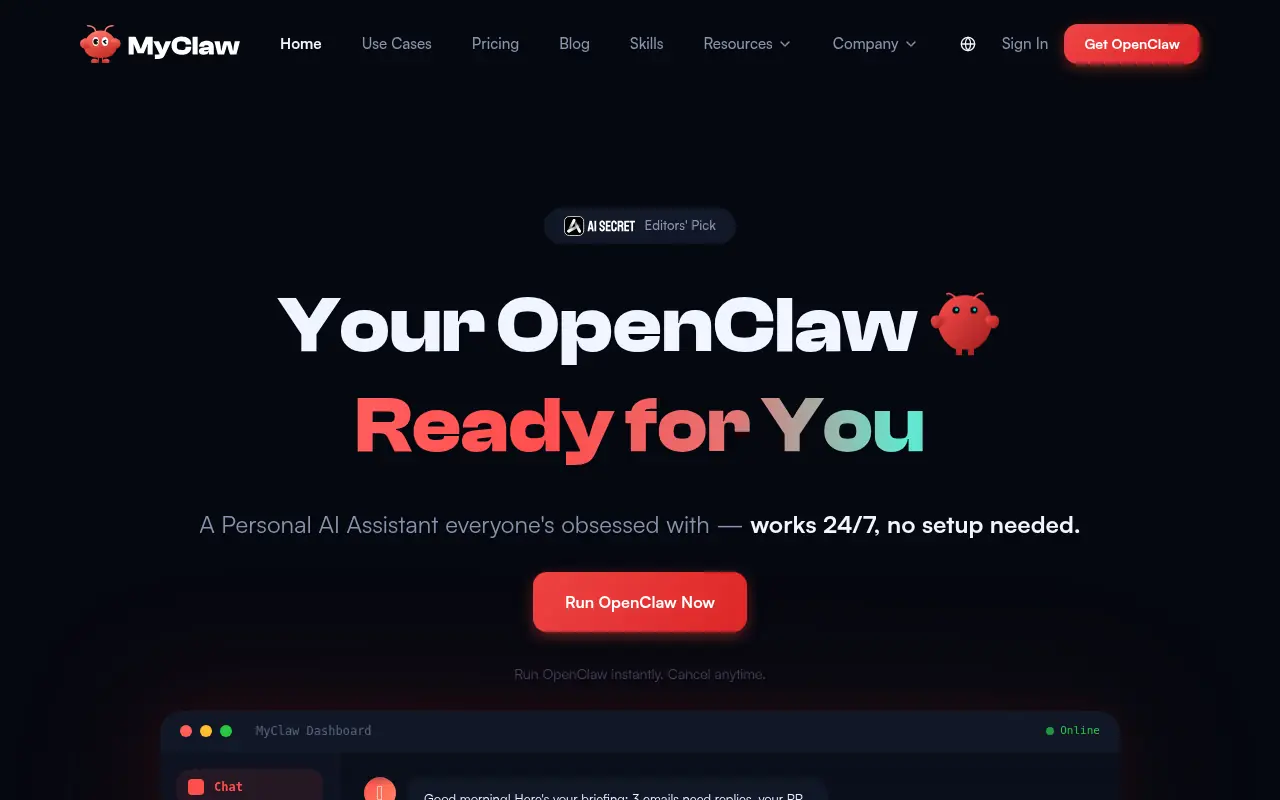

MyClaw.ai
MyClaw.ai is a managed cloud hosting platform that enables users to easily deploy and run the open-source OpenClaw AI agent 24/7 without requiring technical setup.
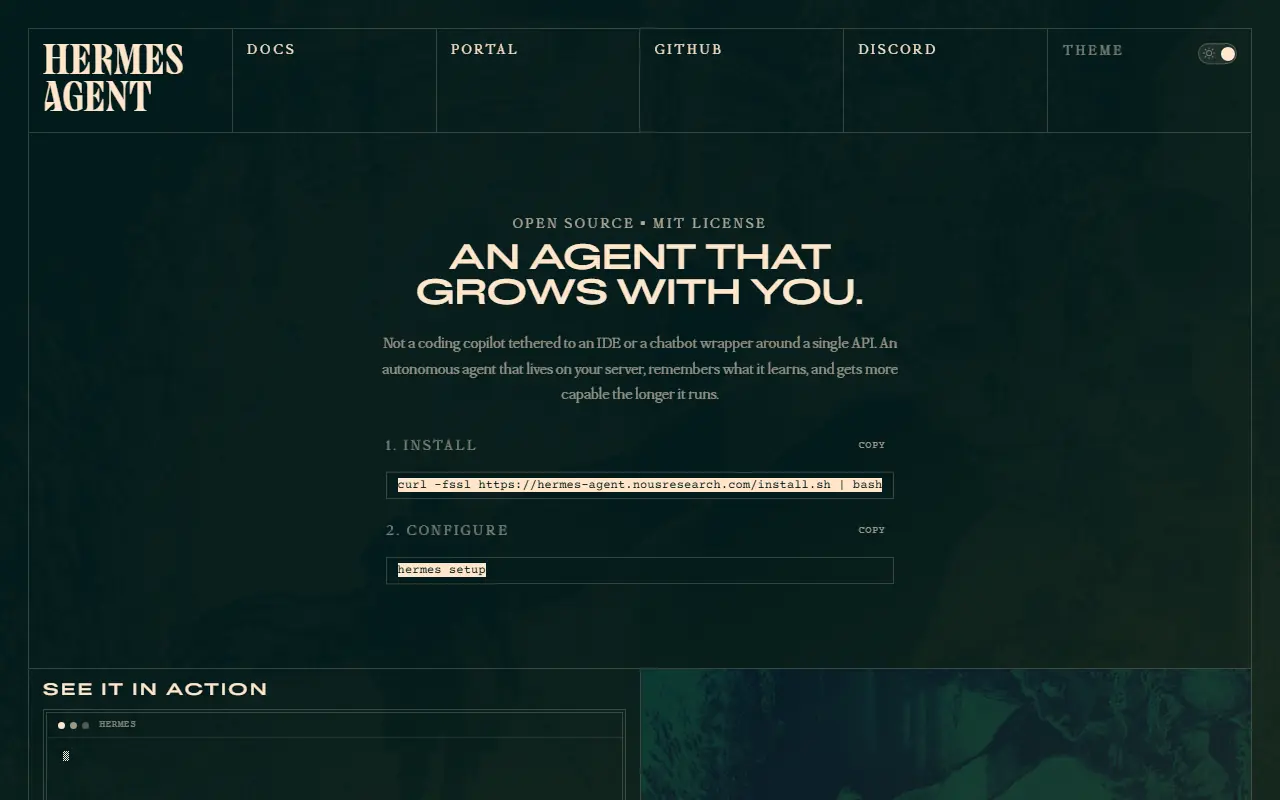

Hermes Agent
An open-source, self-improving AI agent by Nous Research that builds persistent memory across sessions and autonomously creates reusable skills.
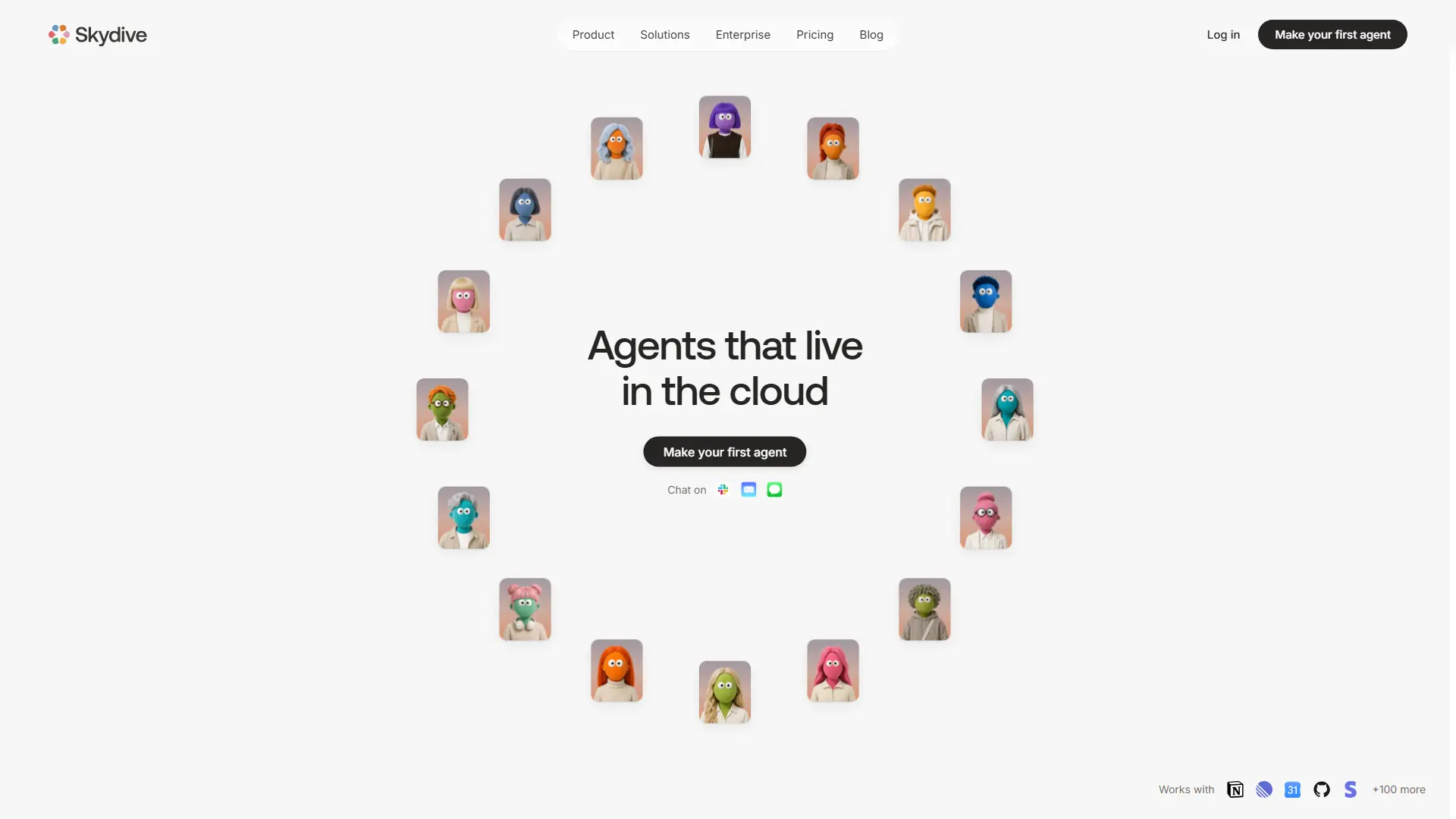

Skydive
Skydive is an AI platform that lets teams create agents to automate real work. Agents can use tools, complete tasks, collaborate, and run workflows across the apps teams already use—without coding or prompt engineering.