

Soloterm
What is Soloterm?
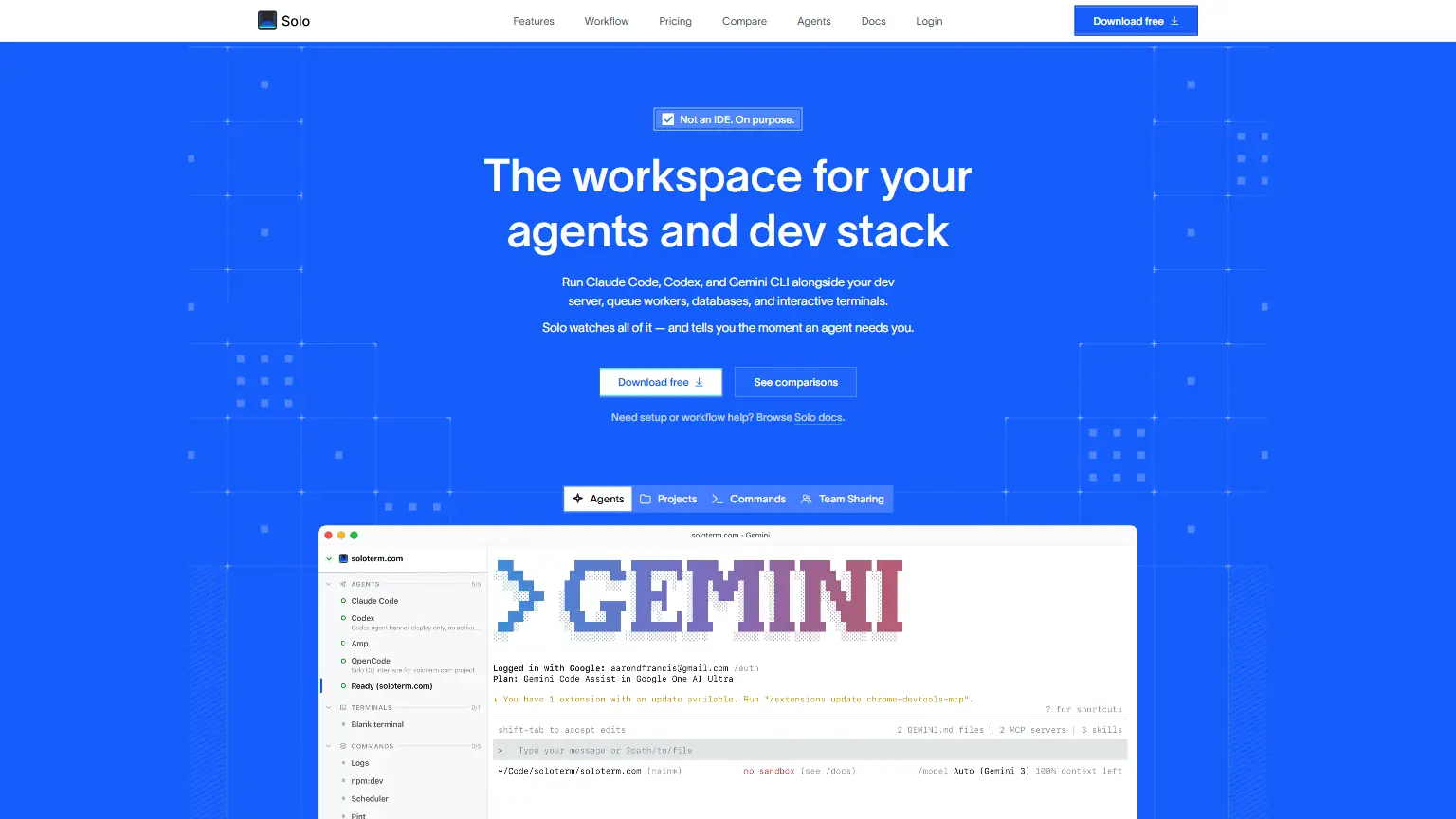
Soloterm reshapes how engineers interact with autonomous code generation by acting as a native terminal harness for AI agents. Built on the lightweight Tauri framework, it drastically reduces memory overhead compared to traditional Electron wrappers like Cursor. Having tested its tmux integration firsthand, the standout feature is how it respects your exact environment—your dotfiles, aliases, and shell configurations remain completely untouched. The application seamlessly handles workflow automation by allowing you to deploy up to 20 agents concurrently across different repositories. This architecture delivers an unmatched user experience for developers who demand high efficiency without sacrificing command-line control.
How to use Soloterm?
Download and install the native desktop client, then configure your preferred local or cloud-based LLM API keys. Open the interface to launch a new daemon session, which immediately hooks into your standard xterm.js environment and preserves your aliases. From there, initialize your first AI agent using the command prompt to begin delegating complex refactoring or server management tasks instantly.
Soloterm's Core Features
Tauri Architecture: Reduces system memory consumption significantly compared to standard Electron-based coding editors.
Native Tmux Integration: Manages concurrent terminal sessions seamlessly under the hood without disrupting your native workflows.
Dotfile Preservation: Retains your custom shell configurations, ensuring zero friction when migrating your current environment.
Concurrent Orchestration: Deploys multiple AI coding agents simultaneously across completely separate project repositories.
Daemon Process Management: Operates a robust background service to handle long-running agent tasks securely and quietly.
xterm.js Rendering: Delivers crisp, accurate text output and full PTY support for a premium graphical interface.
Soloterm's Use Cases
- #1
Orchestrating multiple autonomous agents to refactor monolithic legacy codebases securely.
- #2
Automating complex Git workflows and database migrations directly from the command line.
- #3
Running local virtual machine sandboxes for agent-driven, isolated software testing.
- #4
Managing concurrent application deployments across separate programming languages seamlessly.
- #5
Enhancing local development productivity without maxing out system RAM.
Frequently Asked Questions
Analytics of Soloterm
Monthly Visits Trend: Nov 2025 - Aug 2026
Traffic Sources
Top Regions
| Region | Traffic Share |
|---|---|
| United States | 20.09% |
| Netherlands | 10.79% |
| India | 9.10% |
| Vietnam | 8.37% |
| Germany | 7.94% |
Top Keywords
| Keyword | Traffic | CPC |
|---|---|---|
| soloterm | 350 | -- |
| cmux vs tmux | 2.4K | -- |
| what are some cmux alternatives that use wsl | 180 | -- |
| soloterm changelog | 190 | -- |
| how to click link in soloterm | 110 | -- |
Alternative of Soloterm

Google Antigravity
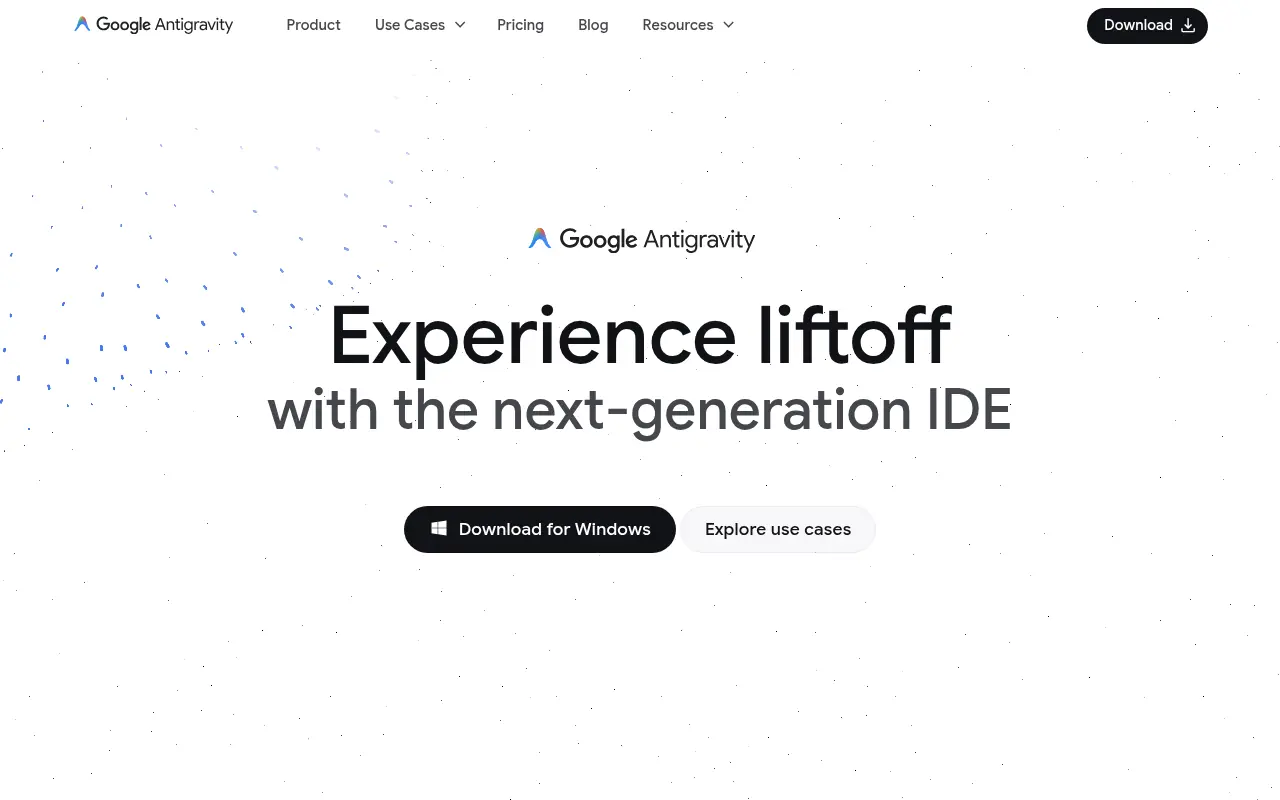
Google Antigravity is an agentic development platform that enables developers to build software using autonomous AI agents powered by Gemini 3 Pro.

JetBrains
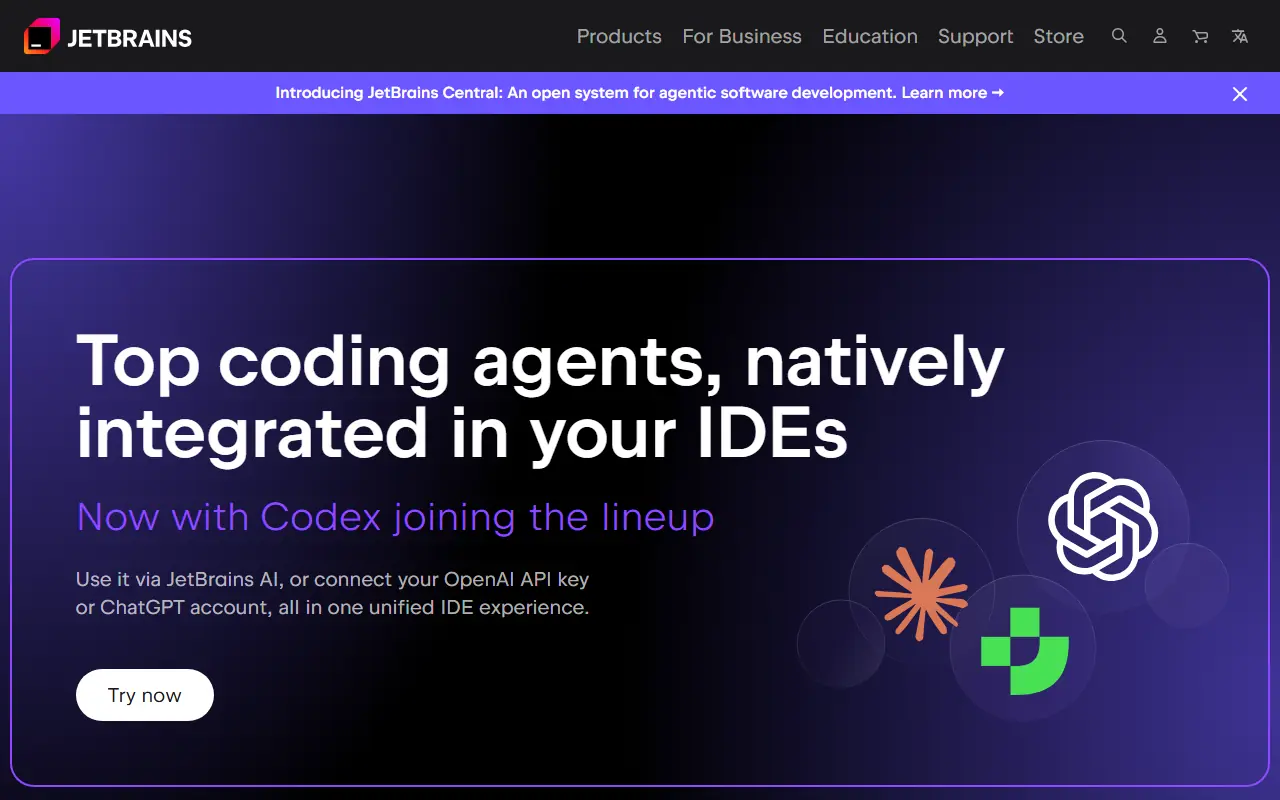
JetBrains provides intelligent, professional software development tools and IDEs designed to enhance developer productivity and team collaboration.

Skills.sh
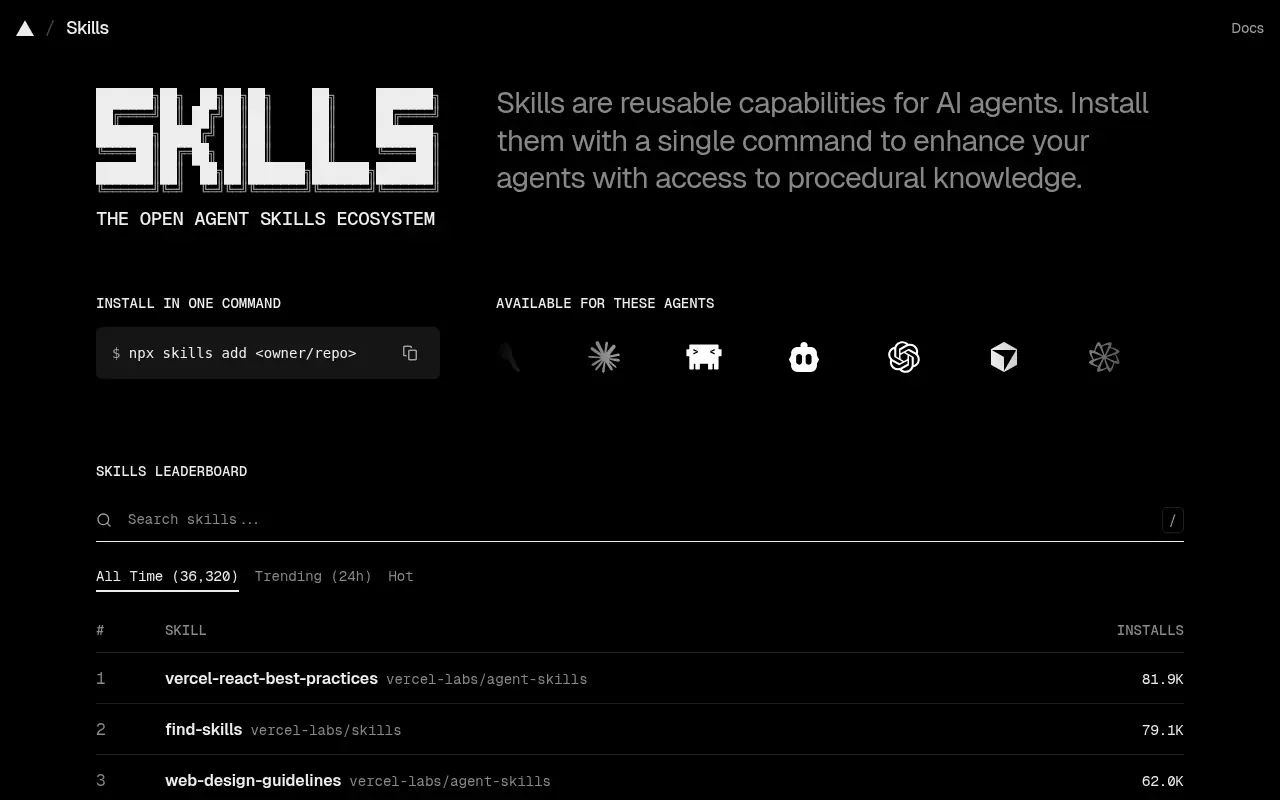
An open directory and package manager for discovering and installing reusable capabilities, known as 'skills', for AI agents.
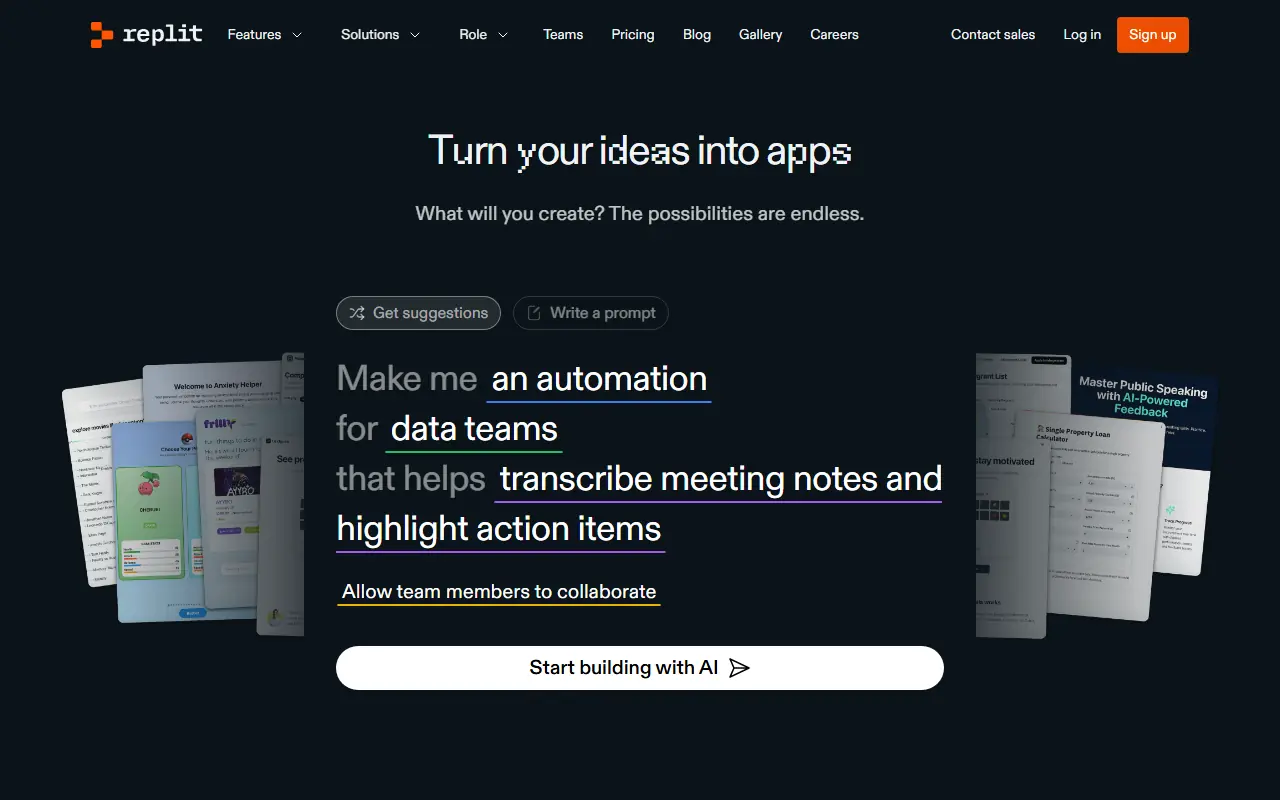

Replit
Replit is an AI-powered online platform for coding, collaborating, and deploying software in various programming languages directly from the browser.
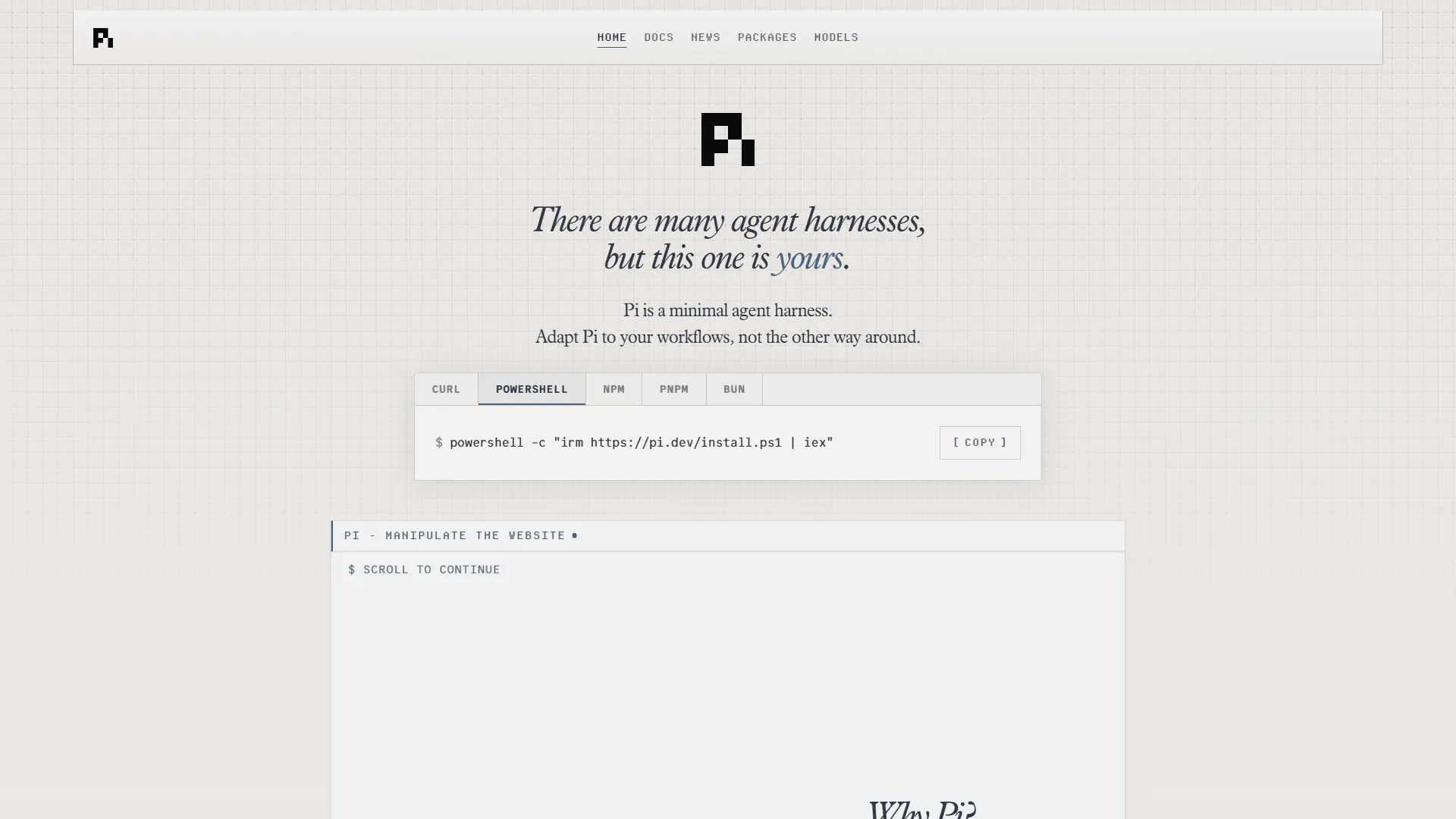

Pi
Pi is a highly secure, terminal-first AI coding agent designed for custom workflows, local orchestration, and strict data compliance without a SaaS backend.
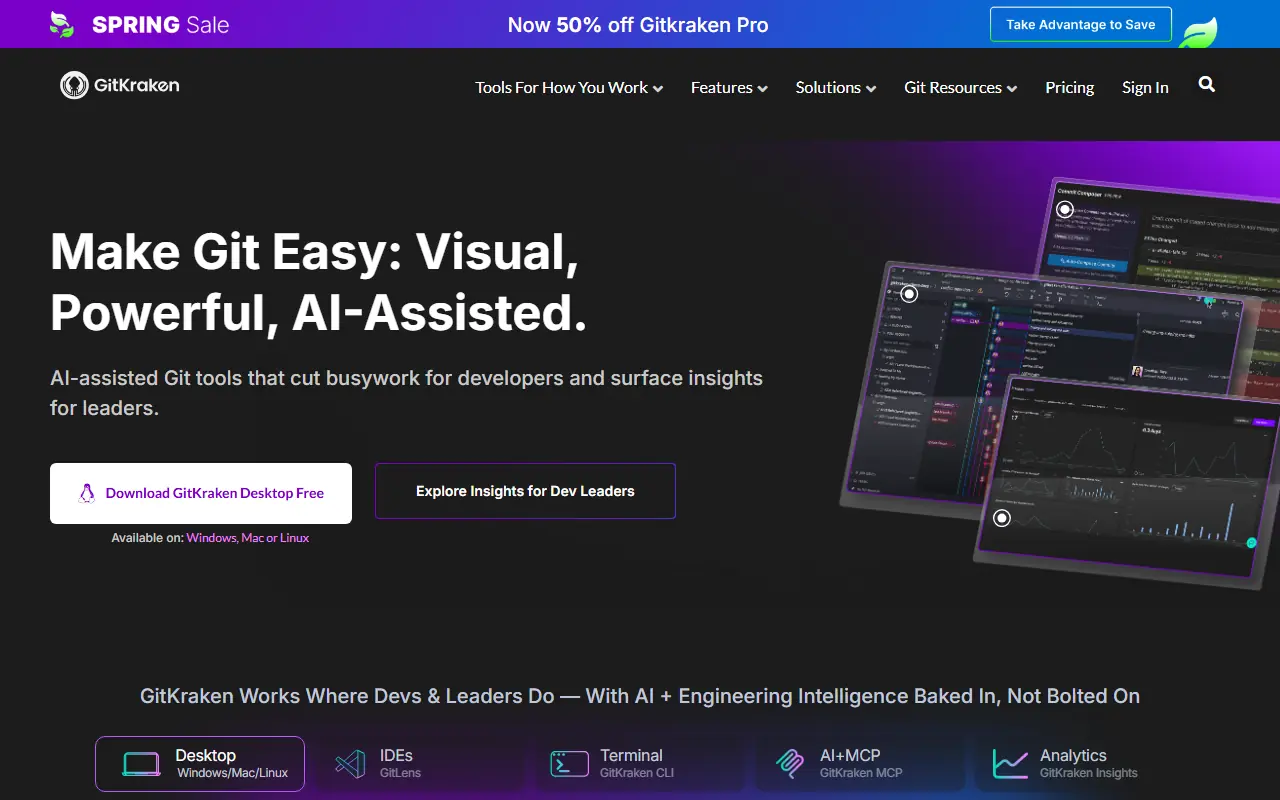

GitKraken
GitKraken offers a suite of premier Git tools, including a powerful graphical user interface (GUI) and the GitLens extension, designed to streamline version control and collaboration.
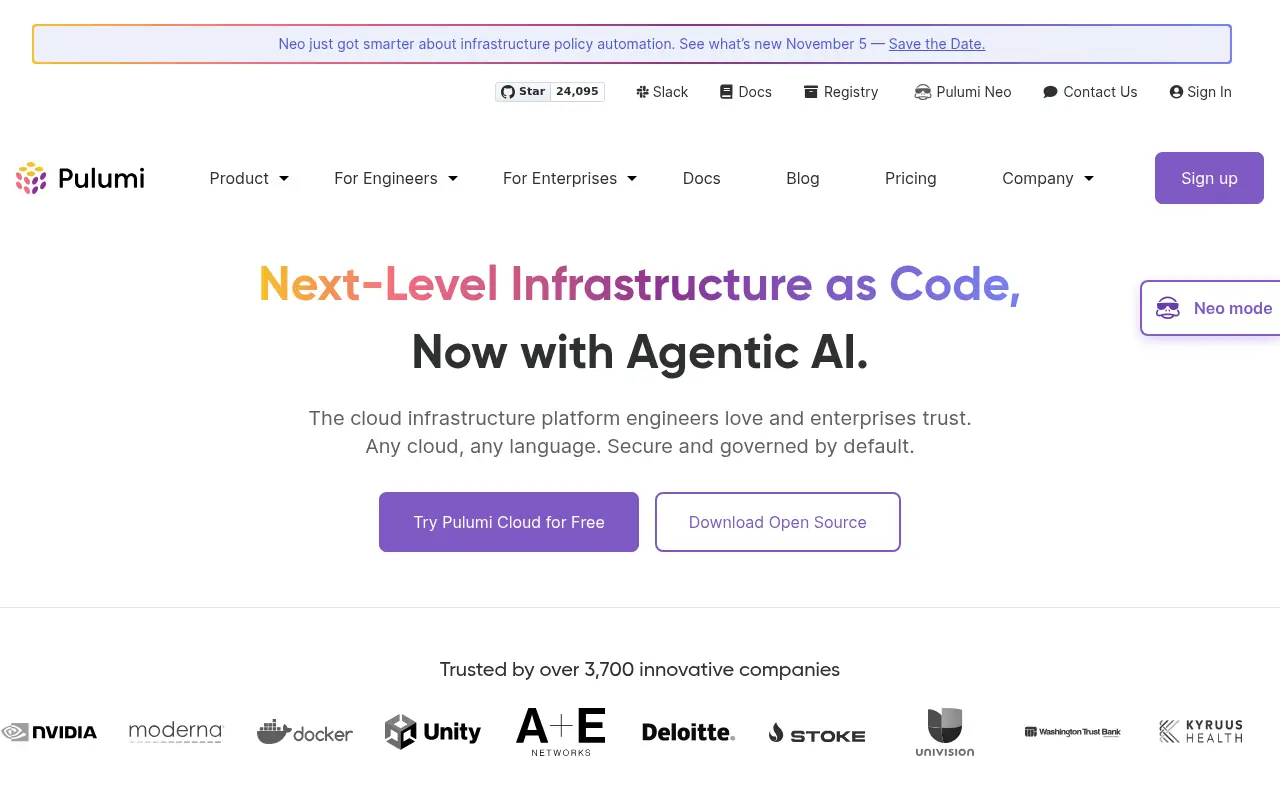

Pulumi
Pulumi is a cloud engineering platform that enables teams to define, deploy, and manage cloud infrastructure using familiar programming languages and modern software practices.
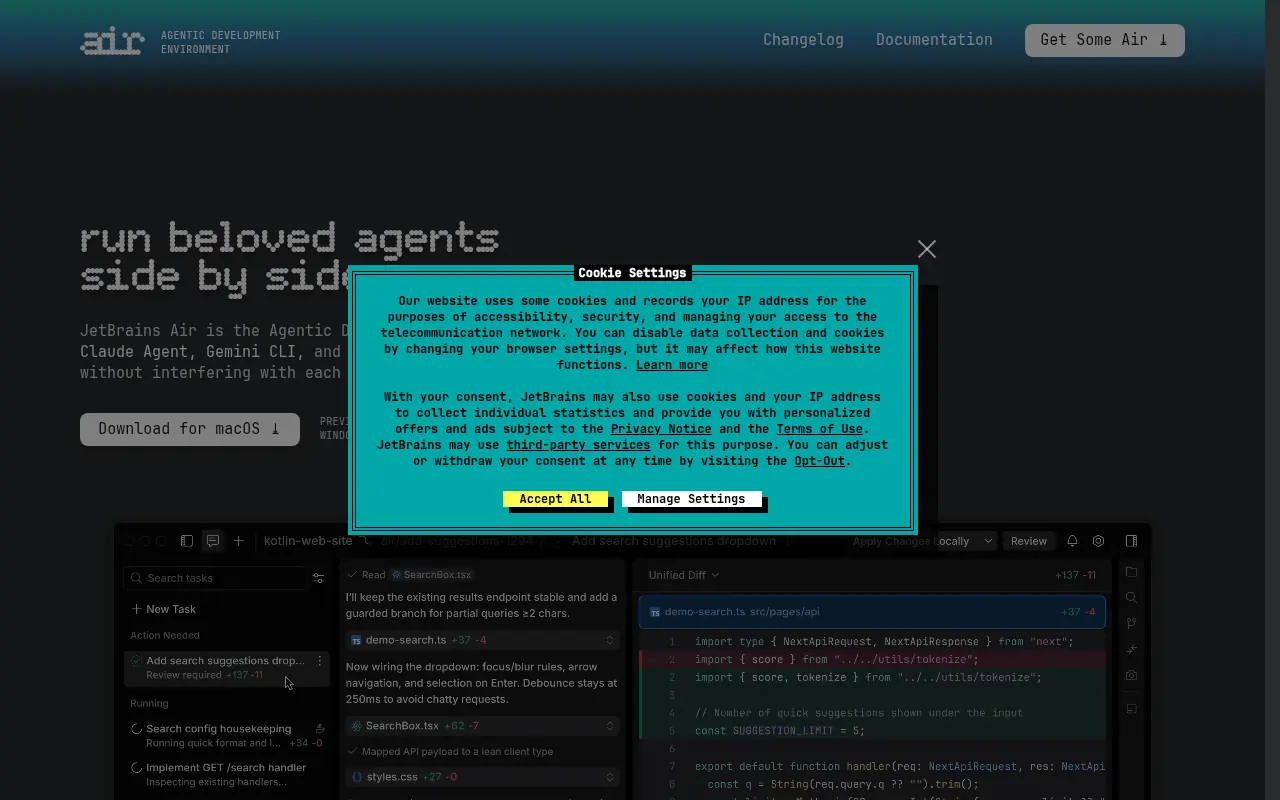

JetBrains Air
JetBrains Air is an agentic development environment that allows developers to run, manage, and orchestrate multiple AI coding agents concurrently.