

Coder
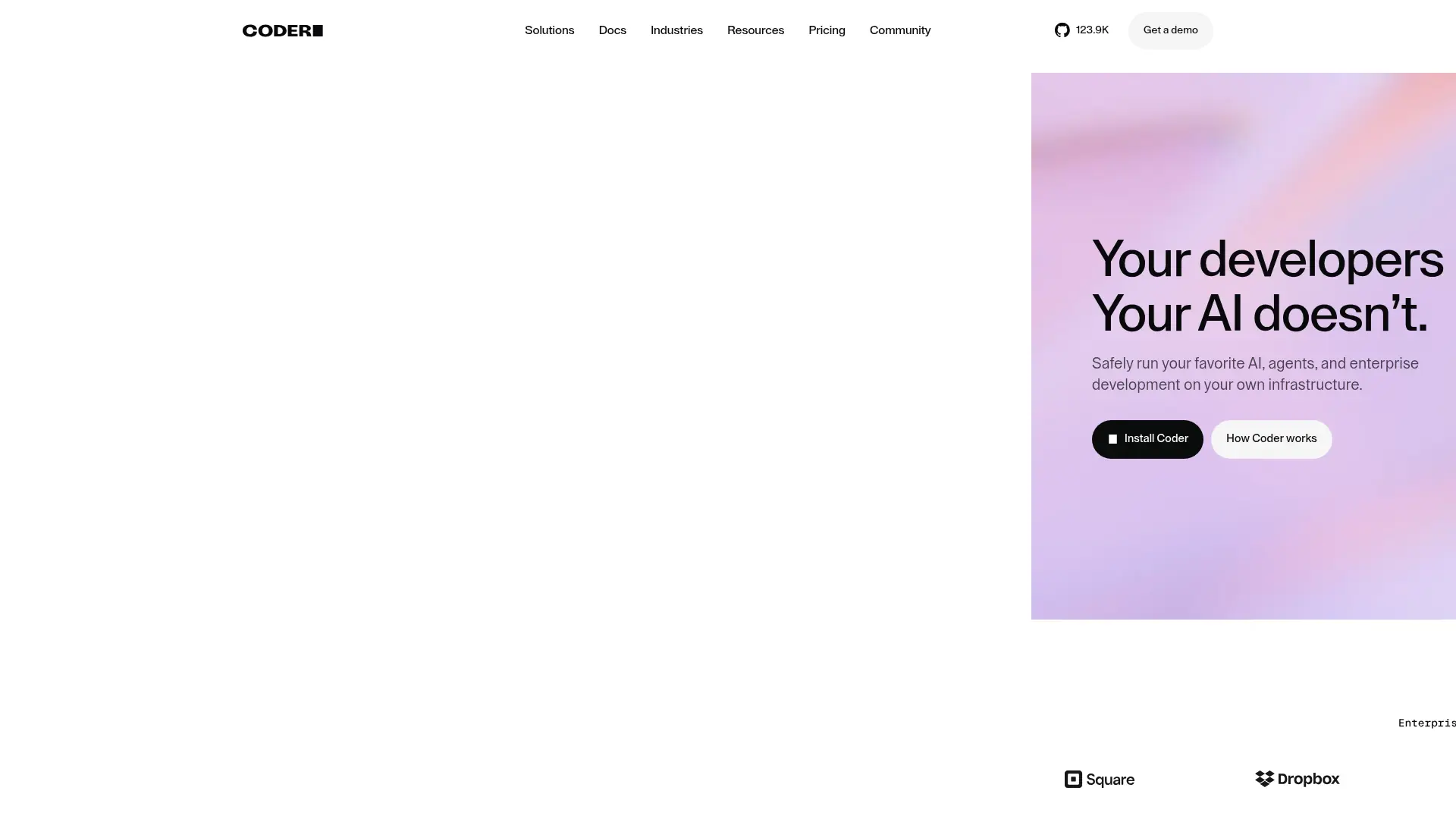
What is Coder?
Coder is an open-source, self-hosted platform for running cloud development environments and AI coding agents on infrastructure an organization controls. Its Terraform-defined workspaces provide standardized environments that developers and agents can access through web or desktop IDEs. Coder supports major clouds, on-premises deployments, air-gapped environments, multiple operating systems, Git providers, and identity providers. Platform teams use it to improve developer onboarding, centralize security controls, manage infrastructure costs, and govern AI-assisted development. Its primary differentiator is combining remote development and agent infrastructure with enterprise governance instead of requiring source code and workflows to move into a third-party SaaS environment.
How to use Coder?
1. Install Coder Community Edition or start a Premium trial on your cloud, Kubernetes cluster, on-premises environment, or air-gapped infrastructure. 2. Configure authentication, connect source-control providers, and create a Terraform-based workspace template with the required tools and resources. 3. Select the template, provision a workspace, and open it through Coder's web interface, CLI, VS Code, JetBrains, Cursor, Jupyter, or an approved AI coding agent.
Coder's Core Features
Self-Hosted Deployment: Run Coder in your cloud, data center, Kubernetes environment, or air-gapped infrastructure to retain control of source code and data.
Terraform Workspace Templates: Define repeatable development environments as infrastructure code so teams receive consistent tools, dependencies, and resources.
AI Coding Agent Infrastructure: Provision and operate coding agents alongside developers while controlling their models, permissions, tools, and execution environments.
Multi-IDE Access: Connect to workspaces through web IDEs, VS Code, JetBrains, Cursor, Jupyter, SSH, and other supported development tools.
Developer and Agent Workspaces: Let human developers and AI agents share standardized, isolated environments for collaborative software development.
Identity and Access Controls: Connect OIDC, GitHub, GitLab, Bitbucket, Azure DevOps, and other authentication providers to manage workspace access.
Remote Workspace Networking: Use secure tunnels and configurable network policies to connect developers to workspaces without moving source code to local devices.
Enterprise Governance: Apply audit logging, role-based permissions, quotas, workspace scheduling, and policy controls across organizations and users.
REST API and CLI Automation: Automate users, templates, workspaces, agents, provisioning, and administrative workflows through the REST API, CLI, and Agent API.
Workspace Prebuilds: Maintain ready-to-claim workspace instances for supported template presets to reduce environment creation time.
Coder's Use Cases
- #1
Platform teams standardizing reproducible development environments across large engineering organizations
- #2
Enterprise developers accessing high-compute workspaces without storing source code on laptops
- #3
Regulated financial, healthcare, and government teams requiring self-hosted or air-gapped development infrastructure
- #4
Organizations onboarding developers to preconfigured projects in minutes instead of manually installing dependencies
- #5
Engineering teams running AI coding agents with centralized permissions, network controls, and auditability
- #6
Remote teams connecting to Linux-based cloud workspaces from Windows, macOS, or Linux devices
- #7
Companies reducing cloud waste through workspace scheduling, idle shutdowns, and resource quotas
- #8
Development teams integrating remote workspaces with GitHub, GitLab, Bitbucket, Kubernetes, Terraform, and existing identity providers
Frequently Asked Questions
Analytics of Coder
Monthly Visits Trend: Apr 2025 - Aug 2026
Traffic Sources
AI Channel Traffic Trends
Top Regions
| Region | Traffic Share |
|---|---|
| United States | 20.49% |
| United Kingdom | 8.11% |
| China | 4.74% |
| India | 4.50% |
| Russia | 3.33% |
Top Keywords
| Keyword | Traffic | CPC |
|---|---|---|
| coder | 28.1K | $2.55 |
| coder.com agents modules | -- | -- |
| coder workspaces | 420 | -- |
| termux | 56.4K | $0.17 |
| github codespaces | 34.1K | $2.55 |
Alternative of Coder

Google Antigravity
Google Antigravity is an agentic development platform that enables developers to build software using autonomous AI agents powered by Gemini 3 Pro.

JetBrains
JetBrains provides intelligent, professional software development tools and IDEs designed to enhance developer productivity and team collaboration.

LangChain
LangChain is an open-source framework for building applications powered by large language models with modular components and comprehensive development tools.
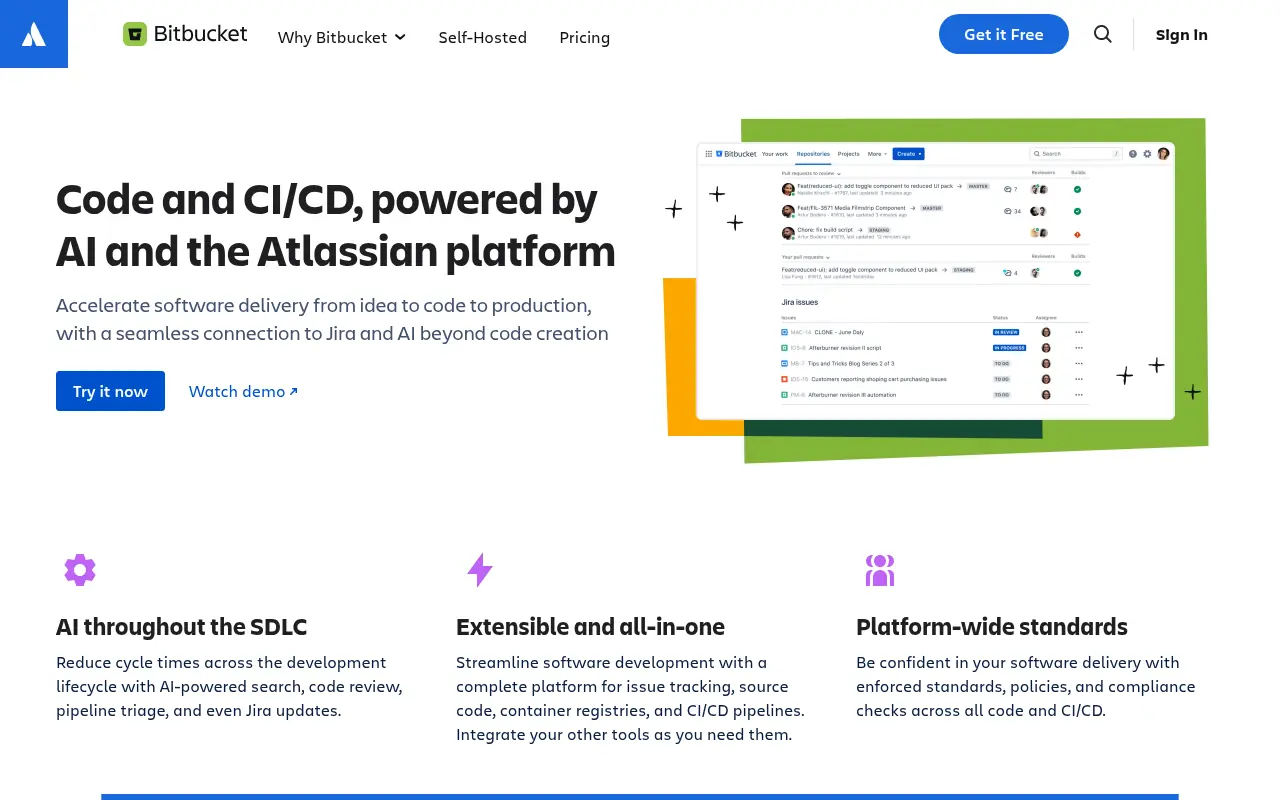

Bitbucket
Bitbucket is a Git-based code hosting and collaboration platform offering seamless Jira integration, built-in CI/CD pipelines, and robust enterprise security.
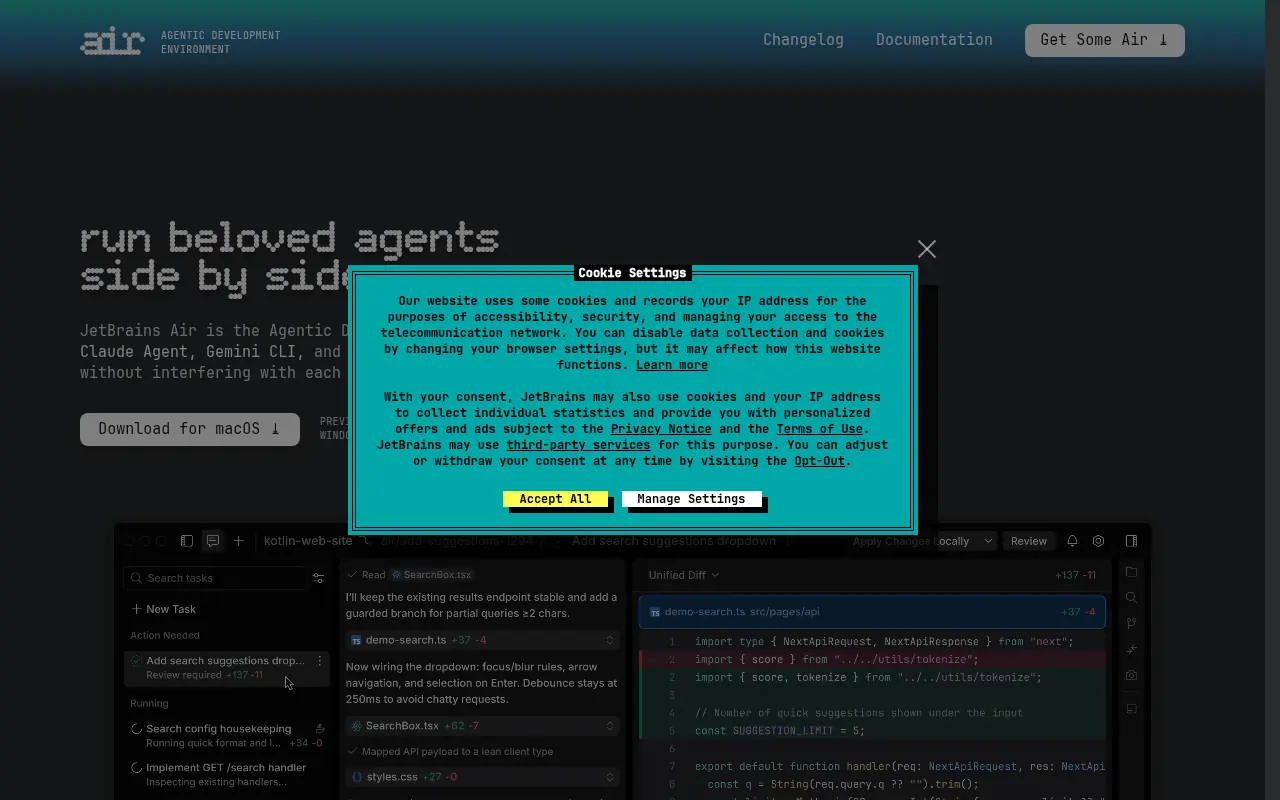

JetBrains Air
JetBrains Air is an agentic development environment that allows developers to run, manage, and orchestrate multiple AI coding agents concurrently.
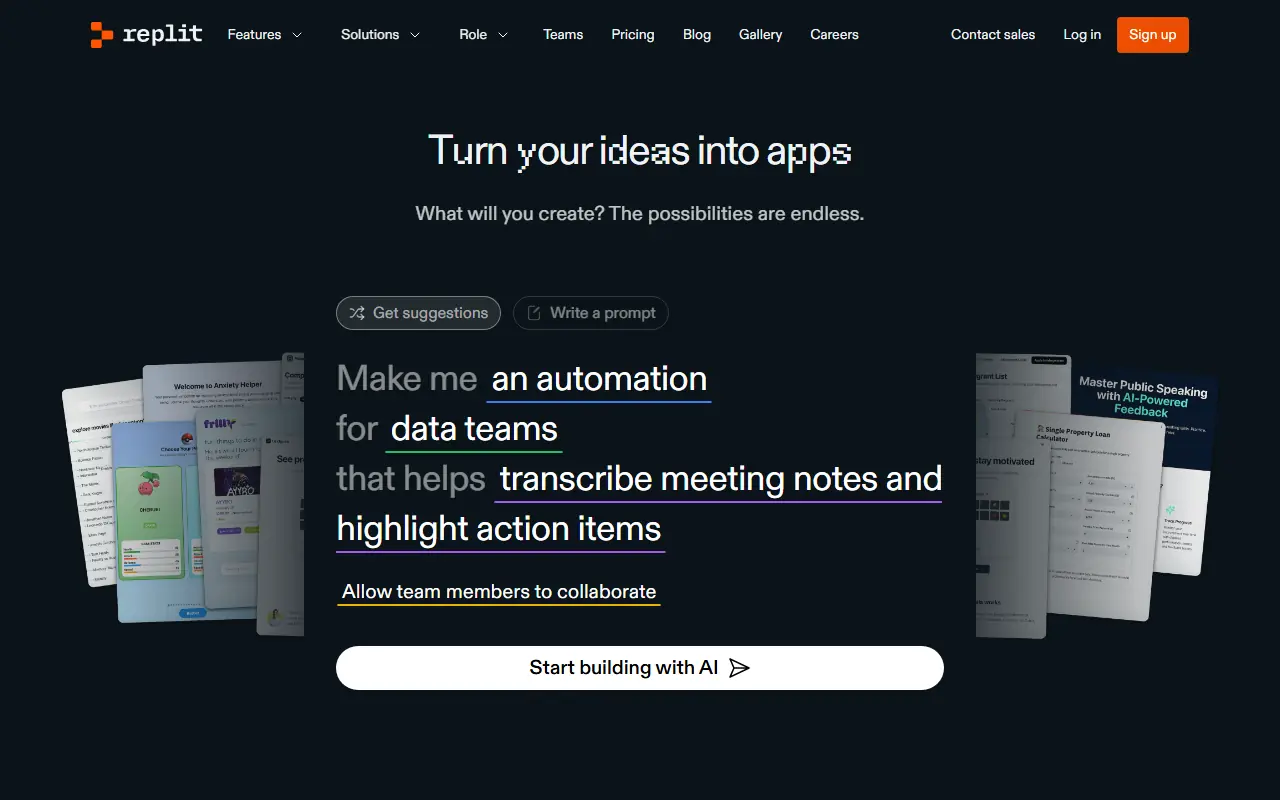

Replit
Replit is an AI-powered online platform for coding, collaborating, and deploying software in various programming languages directly from the browser.
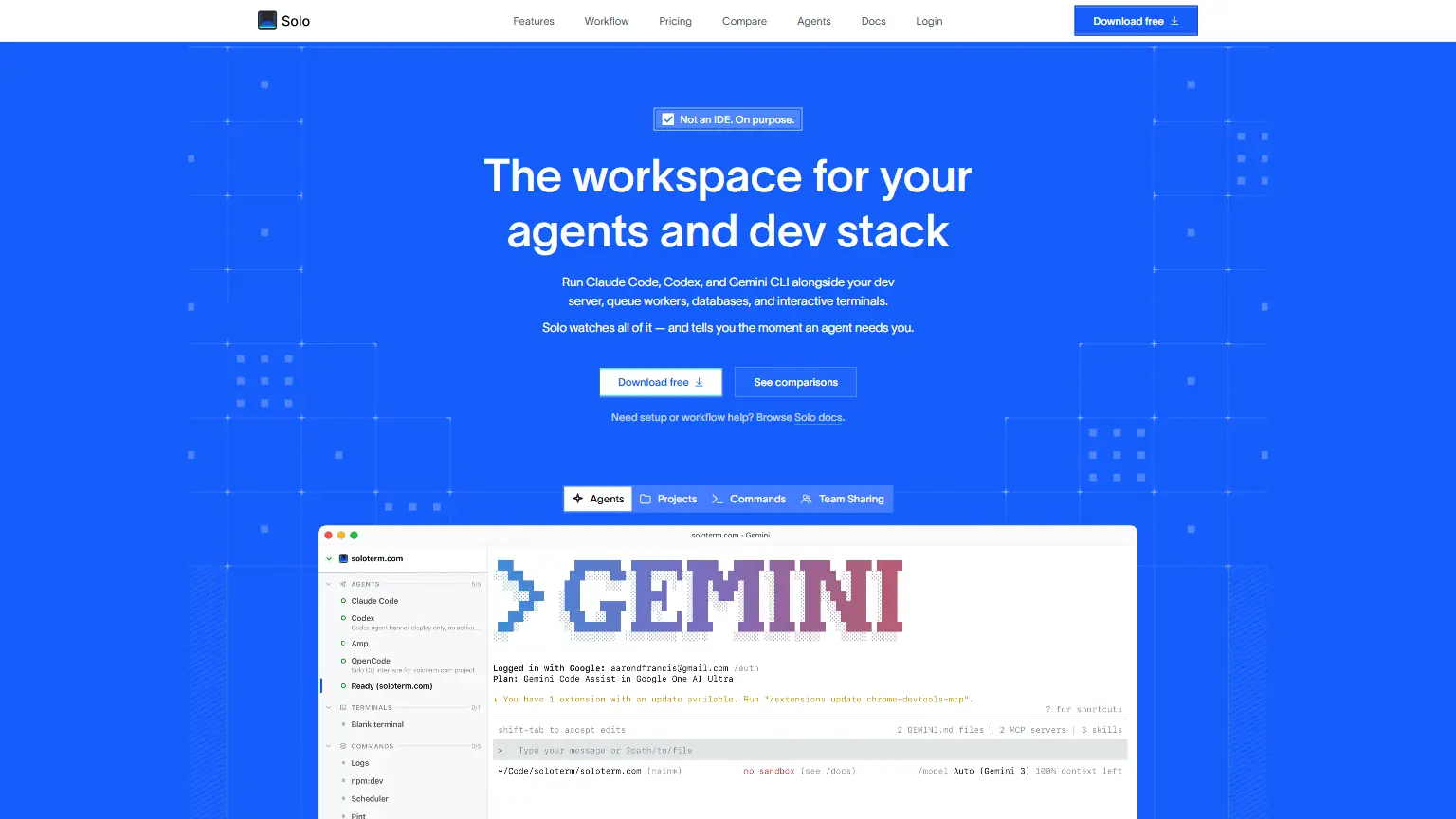

Soloterm
A lightweight, Tauri-based agentic development environment designed to orchestrate multiple AI coding agents simultaneously within your existing terminal workflow.
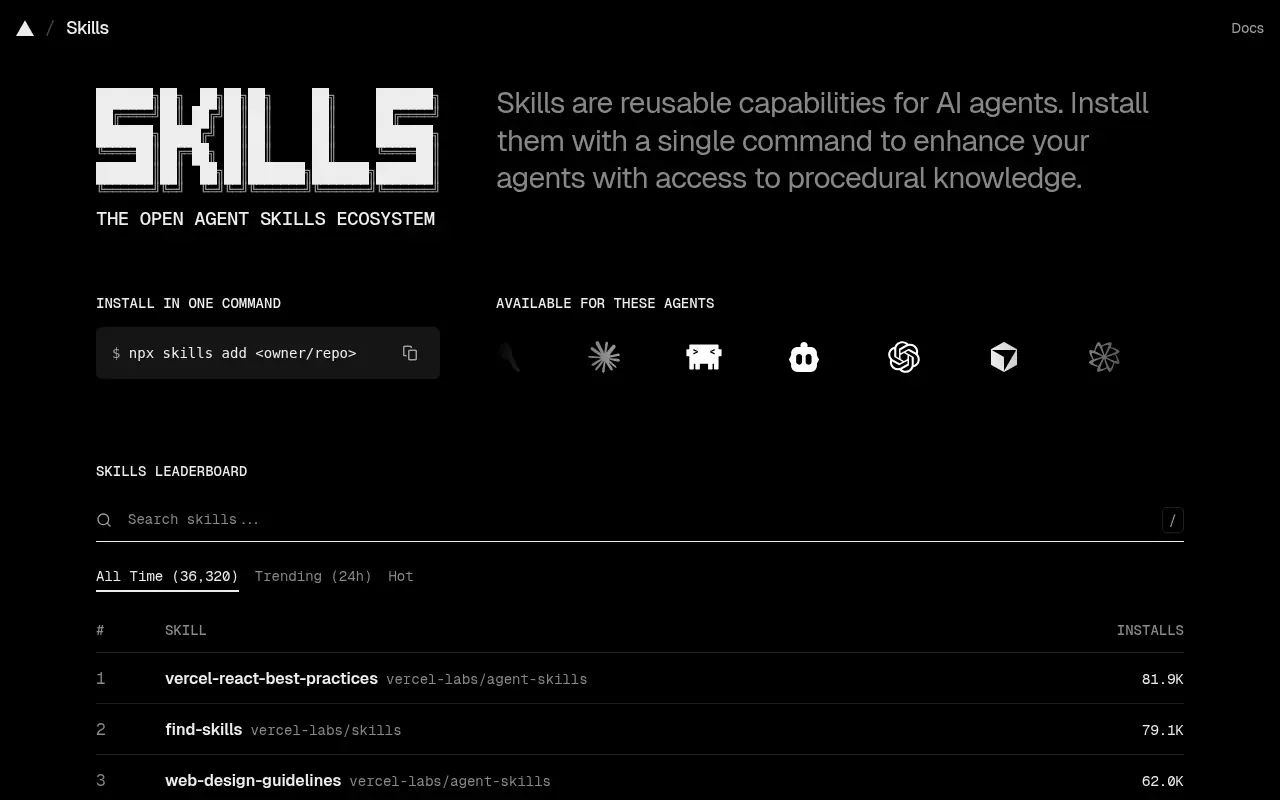

Skills.sh
An open directory and package manager for discovering and installing reusable capabilities, known as 'skills', for AI agents.