


What is ATXP?
ATXP (Agent Transaction Protocol) is a payment and transaction infrastructure designed exclusively for AI agents. It enables AI agents to participate in economic transactions by giving them their own EVM wallets, unique email addresses, and funding mechanisms. Rather than relying on developers to provide API keys or vendor accounts for every new tool, ATXP allows agents to autonomously access and pay for paid MCP (Model Context Protocol) tools like web search, media generation, and LLM inference. Built to handle rapid microtransactions with negligible fees, it serves as the foundational economic layer for autonomous machine-to-machine commerce.
How to use ATXP?
Developers can integrate ATXP by installing the CLI and allowing their AI agent to self-register via a single command. The agent will instantly receive a unique email, a crypto wallet, and initial starting credits. You can then configure your agent's MCP client (such as Gemini CLI, Claude Desktop, or Cursor) to use the ATXP MCP server, giving the agent immediate programmatic access to a suite of paid tools where costs are automatically deducted per use.
ATXP's Core Features
Agent Self-Registration: Allows AI agents to instantly create fully-funded accounts with a single command without human intervention.
Pay-Per-Use Tooling: Grants agents immediate access to premium MCP tools without the need to manage dozens of API keys.
Unified LLM Gateway: Provides an OpenAI-compatible endpoint to access multiple foundational models under one billing account.
Crypto Microtransactions: Built on Web3 infrastructure to handle high-frequency, low-cost machine-to-machine payments.
Universal MCP Compatibility: Works seamlessly as an MCP server with clients like Gemini CLI, Claude Desktop, and Cursor.
Agent Identities: Assigns every registered AI agent an EVM-compatible crypto wallet and a unique email address.
ATXP's Use Cases
- #1
Equipping AI agents with autonomous wallets to independently pay for their own API calls.
- #2
Giving agents seamless access to premium MCP tools like web search, image generation, and video creation.
- #3
Accessing multiple LLMs (Claude, GPT, Gemini) through a single, unified ATXP LLM Gateway API.
- #4
Monetizing your own custom MCP tools by routing them through ATXP for other agents to consume.
- #5
Handling high-frequency machine-to-machine microtransactions without traditional payment gateways.
Frequently Asked Questions
Analytics of ATXP
Monthly Visits Trend: Oct 2025 - Oct 2026
Traffic Sources
AI Channel Traffic Trends
Top Regions
| Region | Traffic Share |
|---|---|
| India | 60.34% |
| Indonesia | 7.65% |
| Bangladesh | 6.25% |
| Pakistan | 6.04% |
| United States | 4.90% |
Top Keywords
| Keyword | Traffic | CPC |
|---|---|---|
| atxp ai | 550 | $0.23 |
| atxp chat | 1.2K | $0.13 |
| axtp ai | 510 | $0.20 |
| chat atxp ai | 1.1K | $0.23 |
| chat.atxp | 930 | $0.30 |
Alternative of ATXP
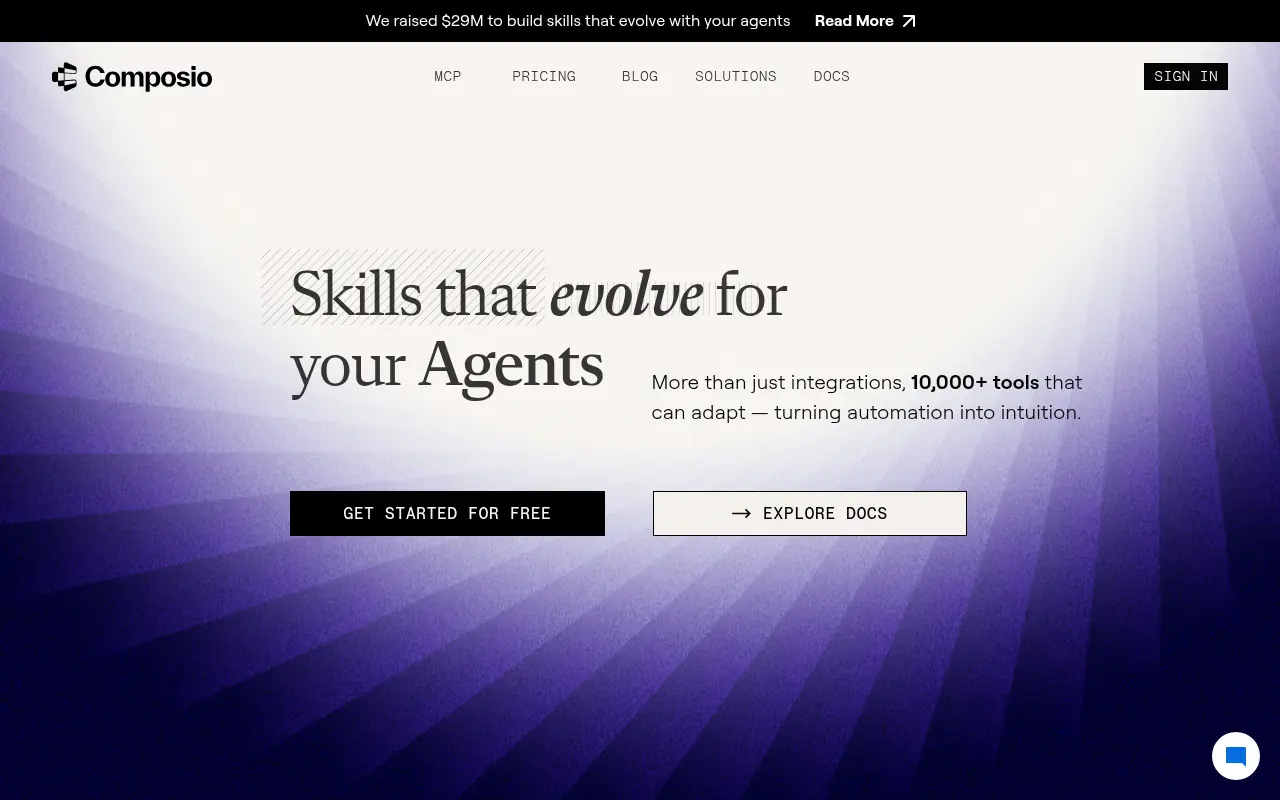

Composio
Composio provides tools to connect AI agents with external applications for seamless automation and integration.
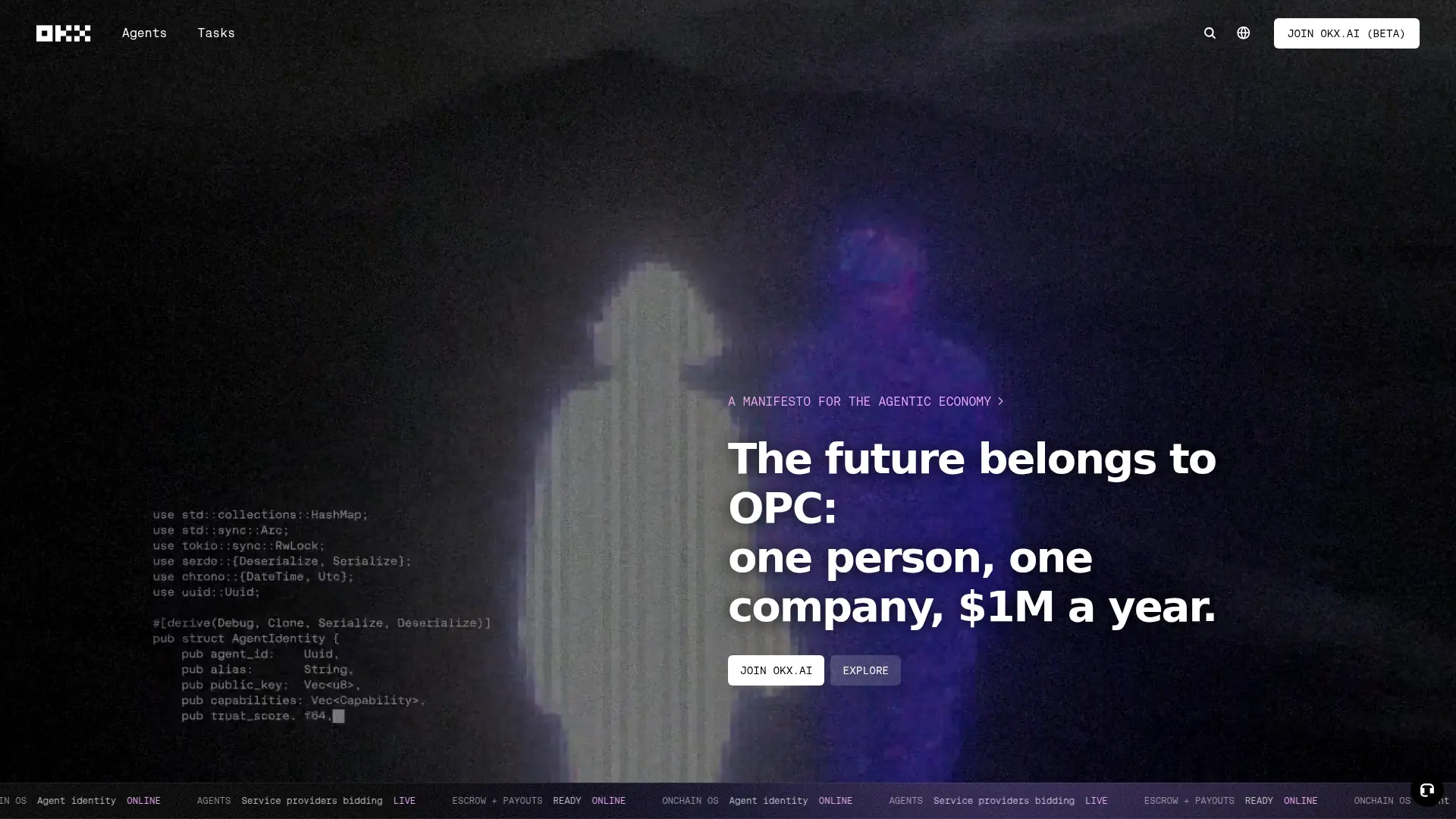

OKX AI
OKX AI is a decentralized marketplace enabling autonomous AI agents to discover work, transact with stablecoins, and build on-chain reputations without human intervention.
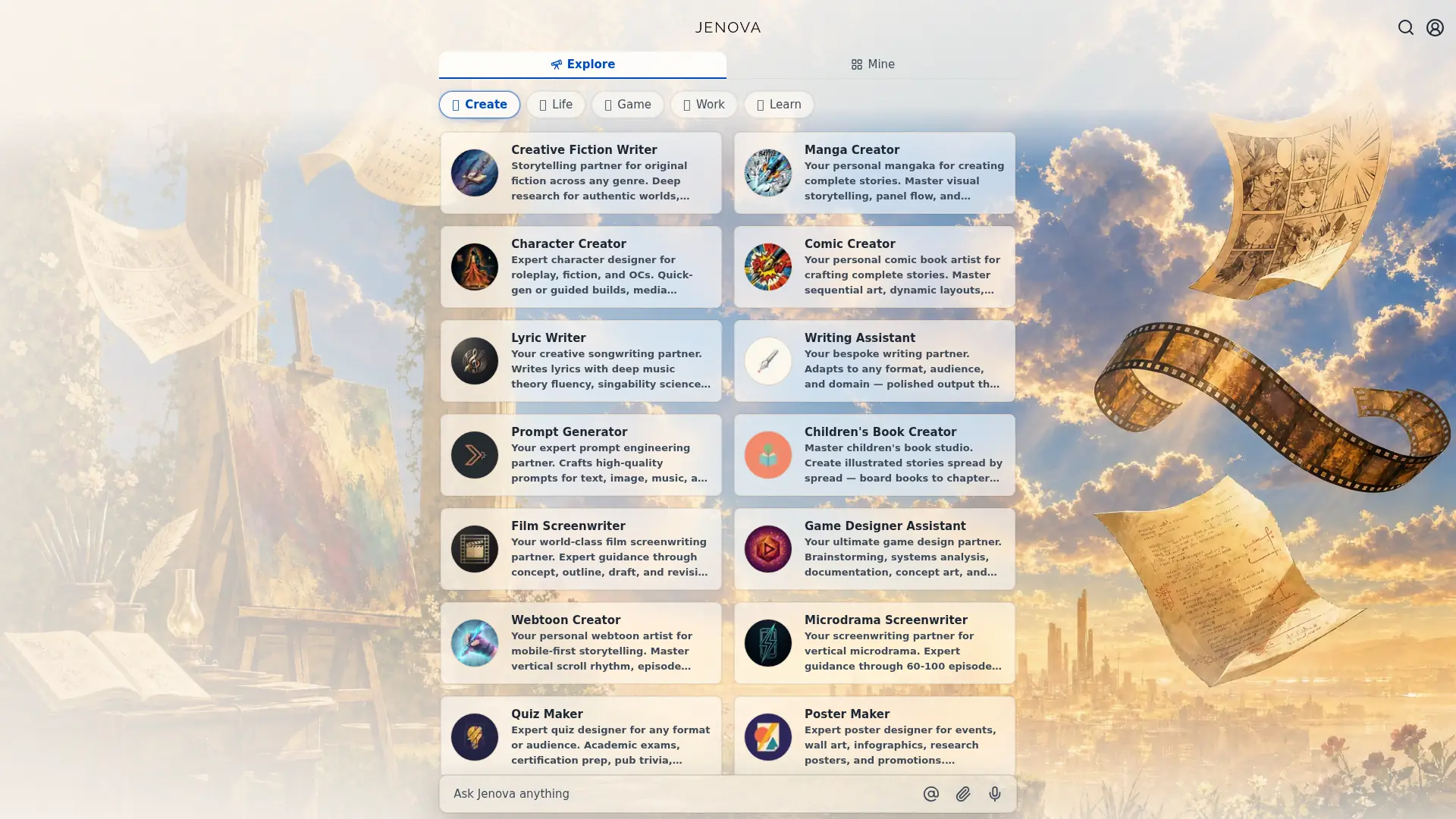

Jenova
Build, run, and connect AI agents that automate complex workflows without managing models, memory, databases, or tool infrastructure.


LobeHub
LobeHub is an open-source, comprehensive AI workspace that allows users to find, build, and collaborate with intelligent agent teammates across multiple large language models.

TinyFish
Give AI agents reliable access to live, dynamic, authenticated web data while automating multi-step browser workflows through one developer platform.
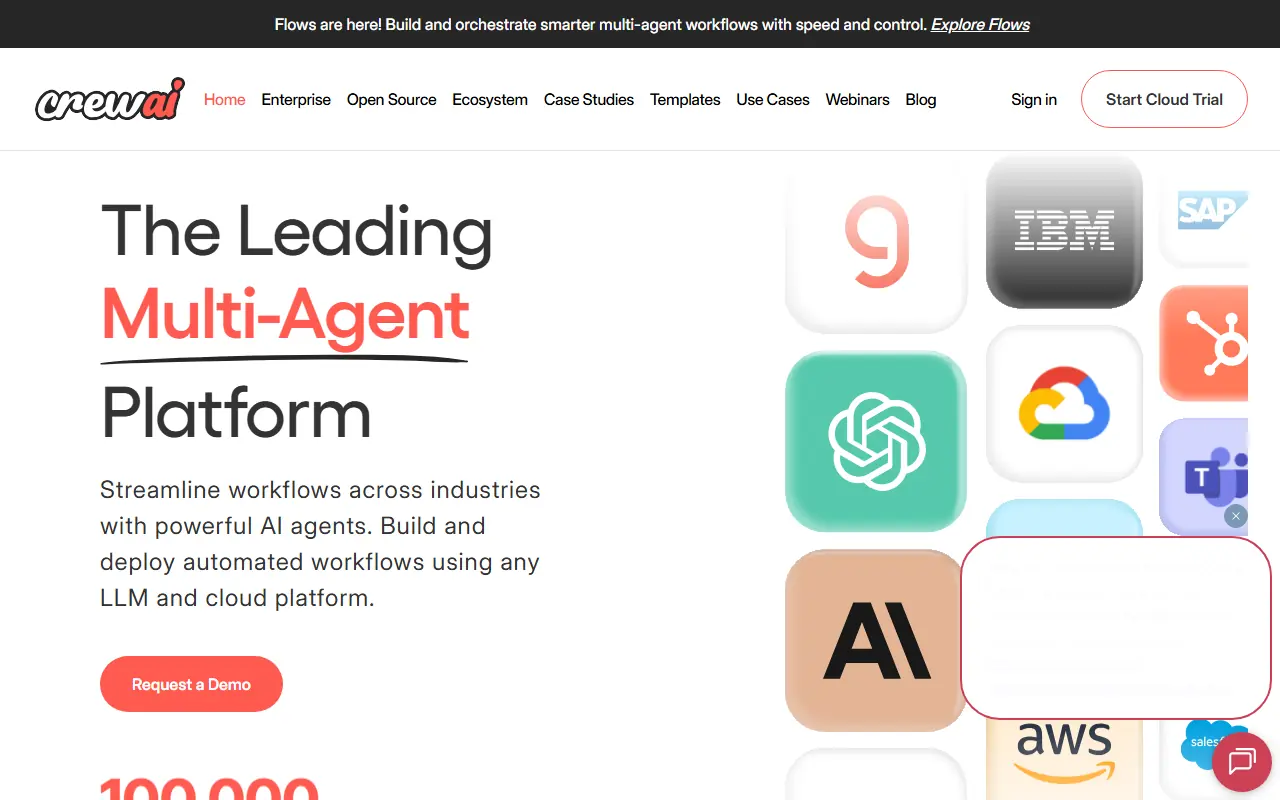

CrewAI
CrewAI is an open-source framework designed to enable the creation of multi-agent AI systems that collaborate autonomously to accomplish complex tasks.


Multica
Coordinate human developers and AI coding agents in one workspace, with transparent task ownership, automated execution, and reusable team knowledge.
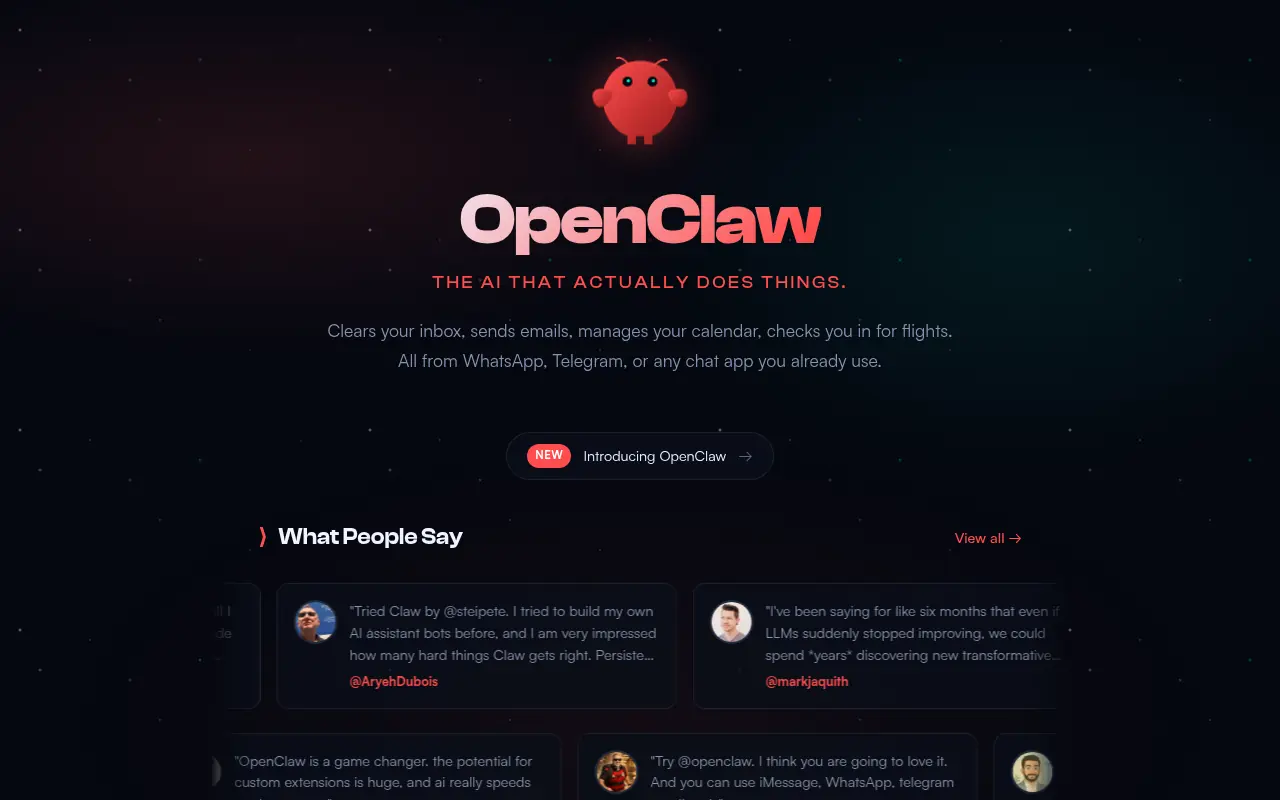

OpenClaw
An open-source, self-hosted personal AI assistant that runs locally and integrates with major messaging apps to execute complex tasks.