

Splunk
What is Splunk?
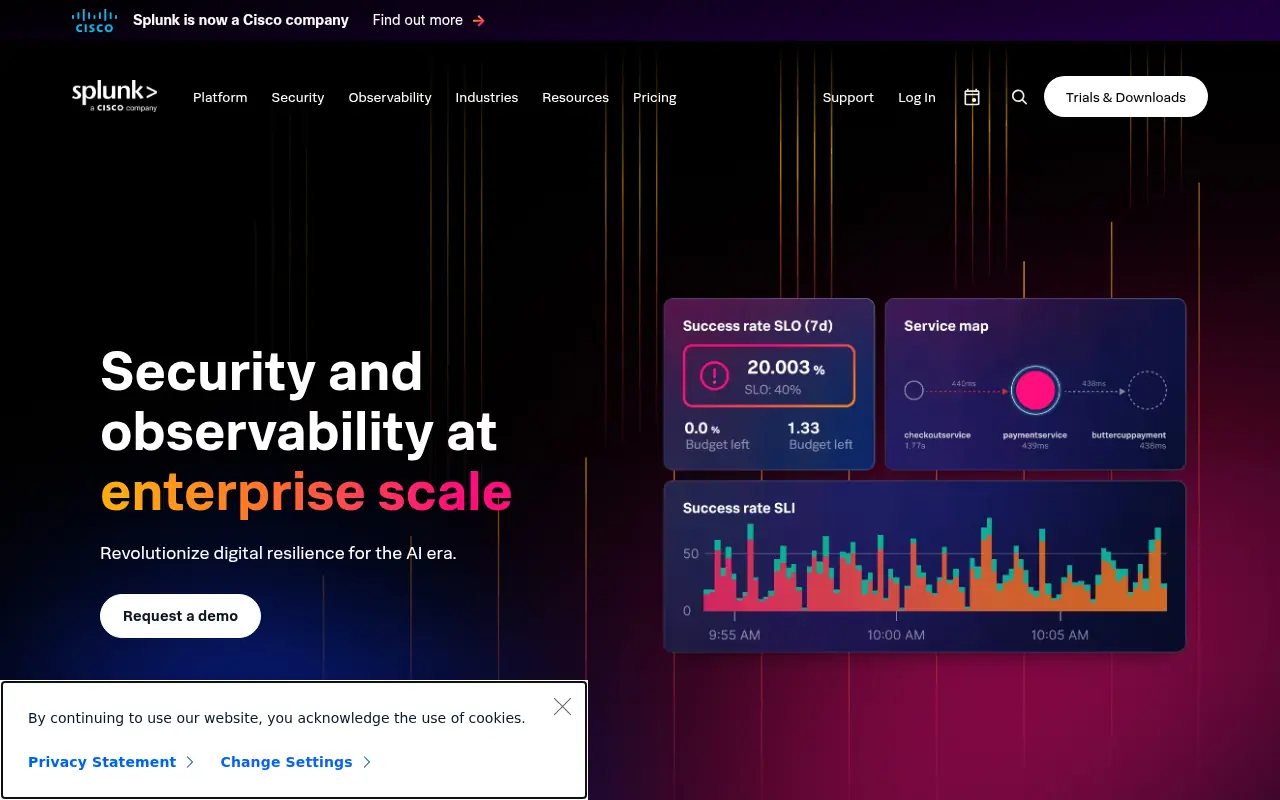
Splunk is a comprehensive enterprise software platform designed to search, monitor, and analyze machine-generated data through a web-style interface. Its mission is to build a safer and more resilient digital world by empowering organizations to transform complex data into actionable insights. It heavily serves IT, security, and DevOps teams by providing real-time visibility across their entire digital footprint. By indexing and correlating data from practically any source, Splunk enables users to prevent major outages, accelerate incident response, and seamlessly manage digital transformations. Ultimately, it solves the problem of data silos by providing a single source of truth for operational intelligence and security posture.
How to use Splunk?
To use Splunk effectively, organizations first install data collectors (Forwarders) across their infrastructure to ingest logs, metrics, and events into the Splunk platform (Indexers). Once the data is indexed, users access the web-based Search Head to write queries using Splunk Processing Language (SPL) to investigate issues or monitor trends. Finally, administrators and analysts can save these queries to create real-time monitoring dashboards, configure automated alerts for anomalous behavior, and generate comprehensive reports for stakeholders.
Splunk's Core Features
Ingests and indexes massive volumes of machine data from virtually any source in real-time.
Utilizes a proprietary Search Processing Language (SPL) for deep, granular data investigation.
Provides an industry-leading Security Information and Event Management (SIEM) solution.
Delivers comprehensive observability with integrated application performance monitoring (APM).
Features customizable, drag-and-drop dashboards for real-time data visualization.
Integrates machine learning to automatically detect anomalies and predict potential system outages.
Offers robust alerting systems that trigger automated workflows and notifications upon threshold breaches.
Supports highly scalable deployments available both on-premises and as a fully managed cloud service.
Splunk's Use Cases
- #1
Detecting, investigating, and responding to cyber security threats as a SIEM.
- #2
Monitoring IT infrastructure health and troubleshooting server downtime.
- #3
Gaining end-to-end visibility into microservices via Application Performance Monitoring (APM).
- #4
Consolidating and indexing massive volumes of diverse log files for auditing and compliance.
- #5
Automating incident response workflows for security operations centers (SOC).
- #6
Analyzing user behavior and system transaction metrics for business intelligence.
Frequently Asked Questions
Analytics of Splunk
Monthly Visits Trend: Jun 2025 - Aug 2026
Traffic Sources
AI Channel Traffic Trends
Top Regions
| Region | Traffic Share |
|---|---|
| United States | 34.09% |
| India | 15.05% |
| United Kingdom | 3.81% |
| Poland | 3.37% |
| Australia | 2.79% |
Top Keywords
| Keyword | Traffic | CPC |
|---|---|---|
| splunk | 89.2K | $3.59 |
| numlookup | 42.5K | $1.11 |
| caesar cipher | 82.8K | $3.89 |
| splunk enterprise | 5.3K | $8.63 |
| splunk download | 1.6K | $15.68 |
Alternative of Splunk

Dynatrace
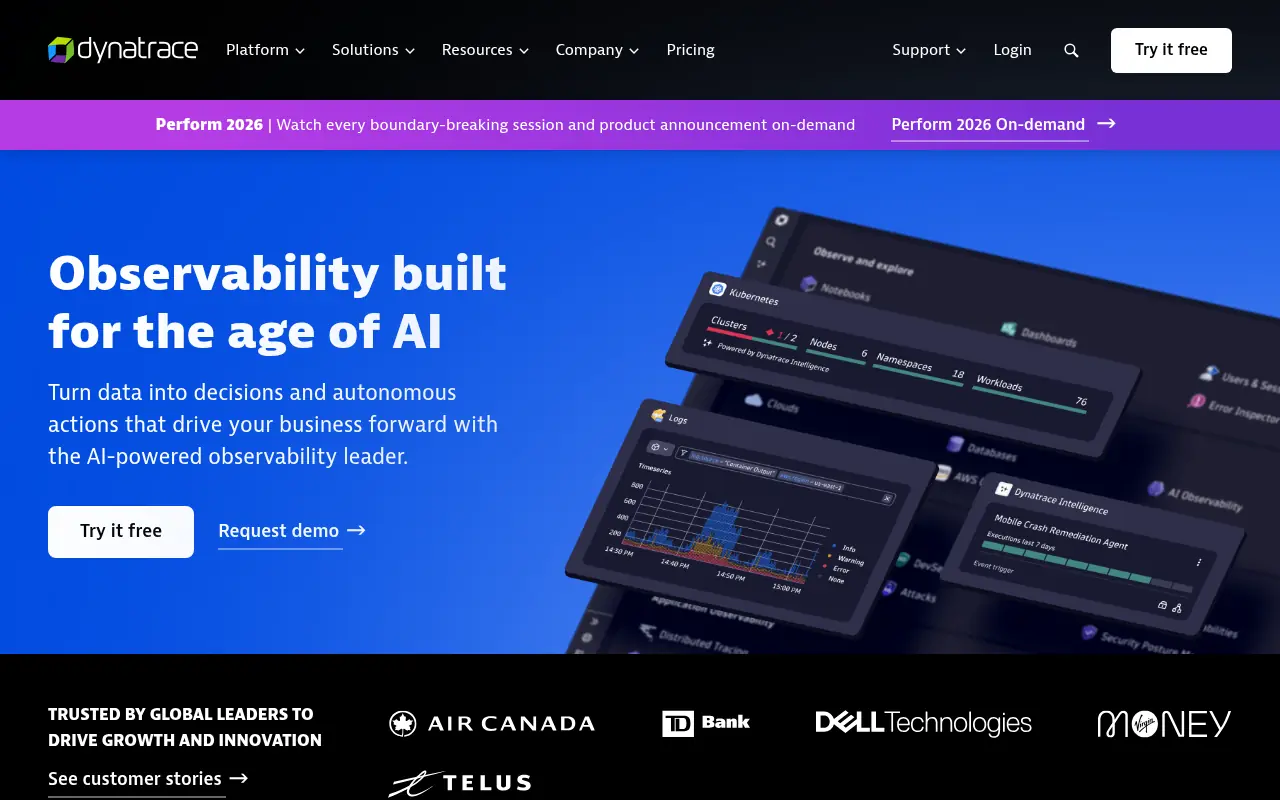
Dynatrace is a comprehensive software intelligence platform that uses AI and automation to monitor and optimize application performance, IT infrastructure, and digital experiences.

Elastic
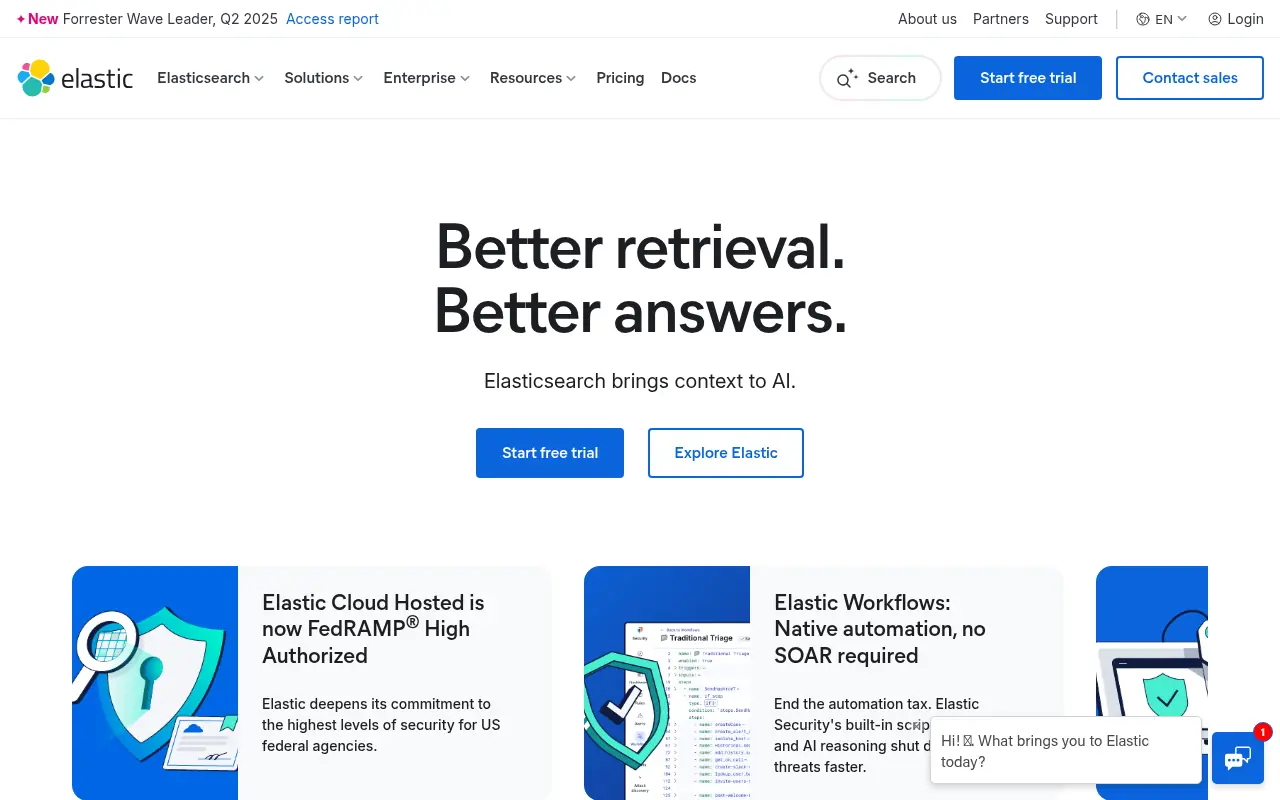
Elastic provides a search-powered AI platform equipped with solutions for enterprise search, observability, and security built on the widely used Elasticsearch engine.


ManageEngine
ManageEngine provides comprehensive IT management software solutions to simplify IT operations, security, networks, and enterprise service delivery.

SolarWinds
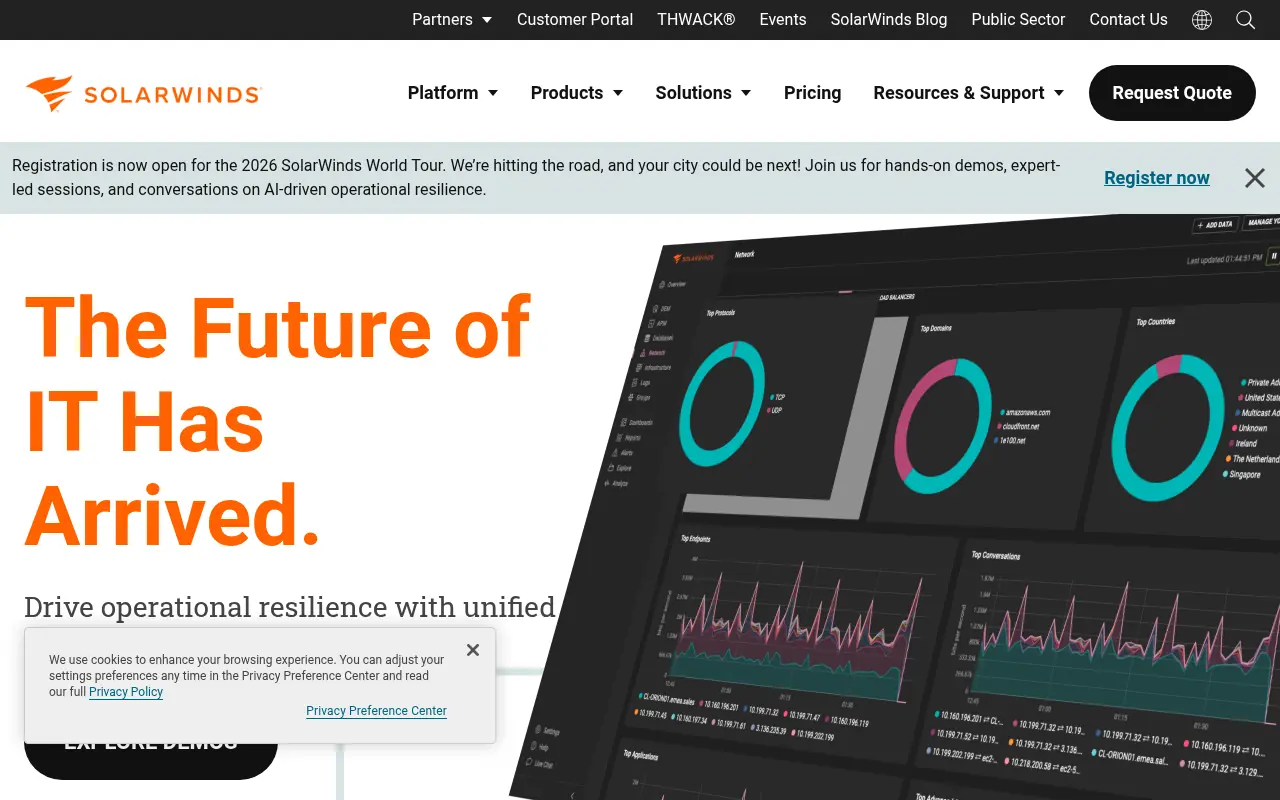
SolarWinds provides comprehensive IT management and full-stack observability solutions to help organizations monitor, manage, and secure their networks, systems, and applications.
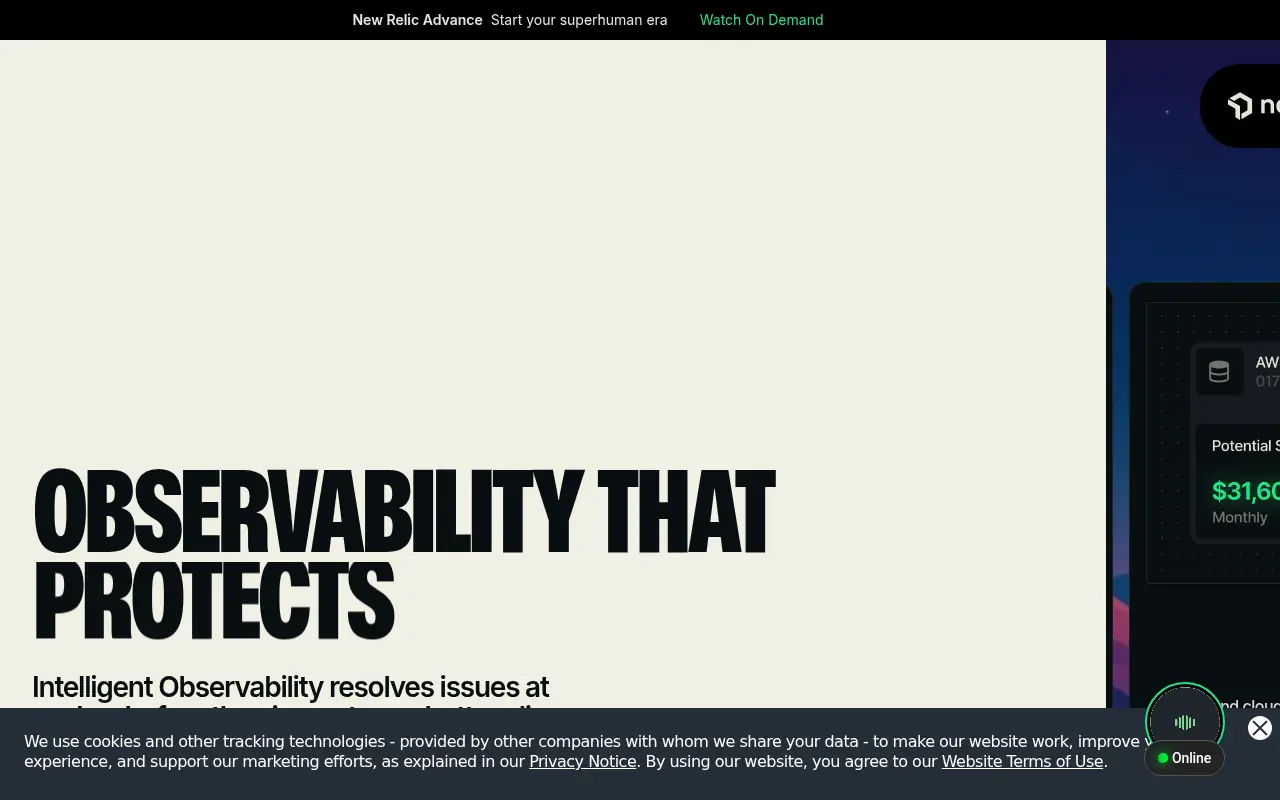

New Relic
New Relic is an all-in-one observability platform that helps software engineering teams monitor, debug, and optimize their full-stack applications.
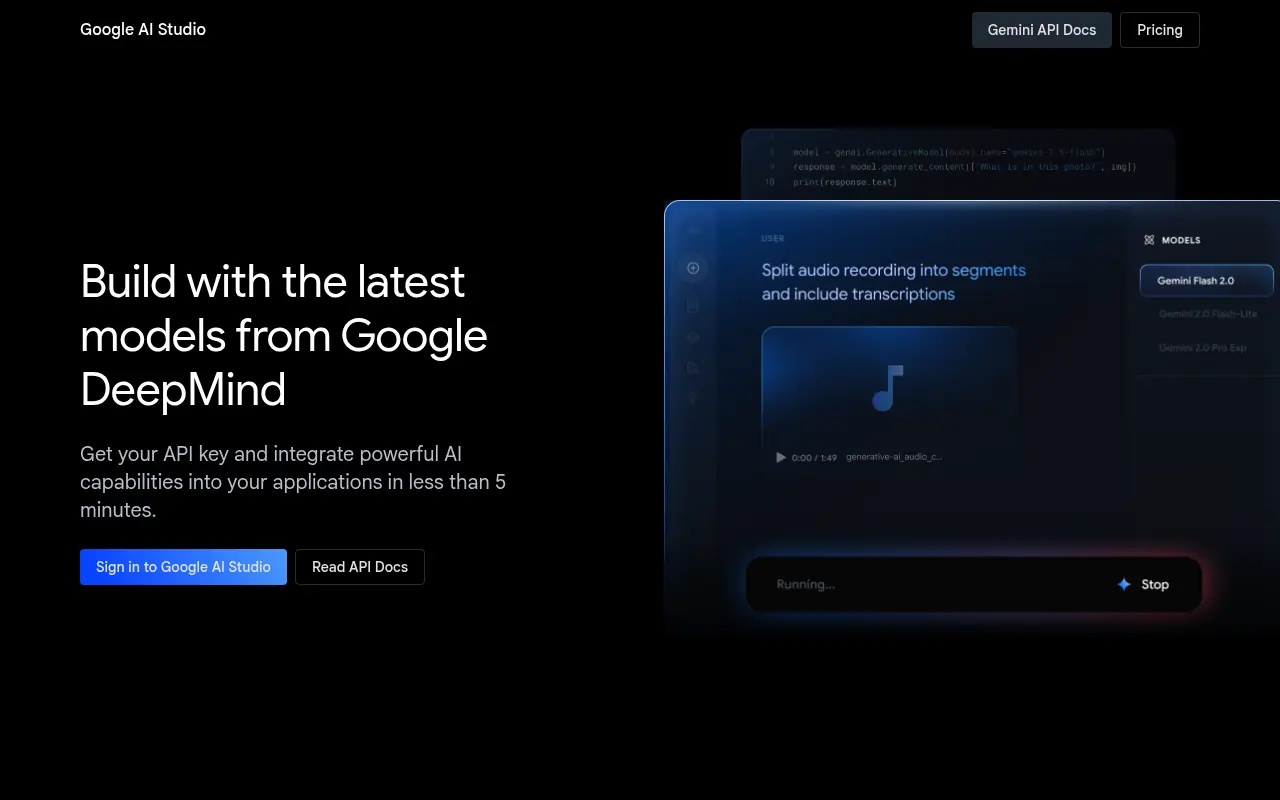

Google AI Studio
Google AI Studio is a browser-based IDE for prototyping and building AI applications with Google's Gemini models.
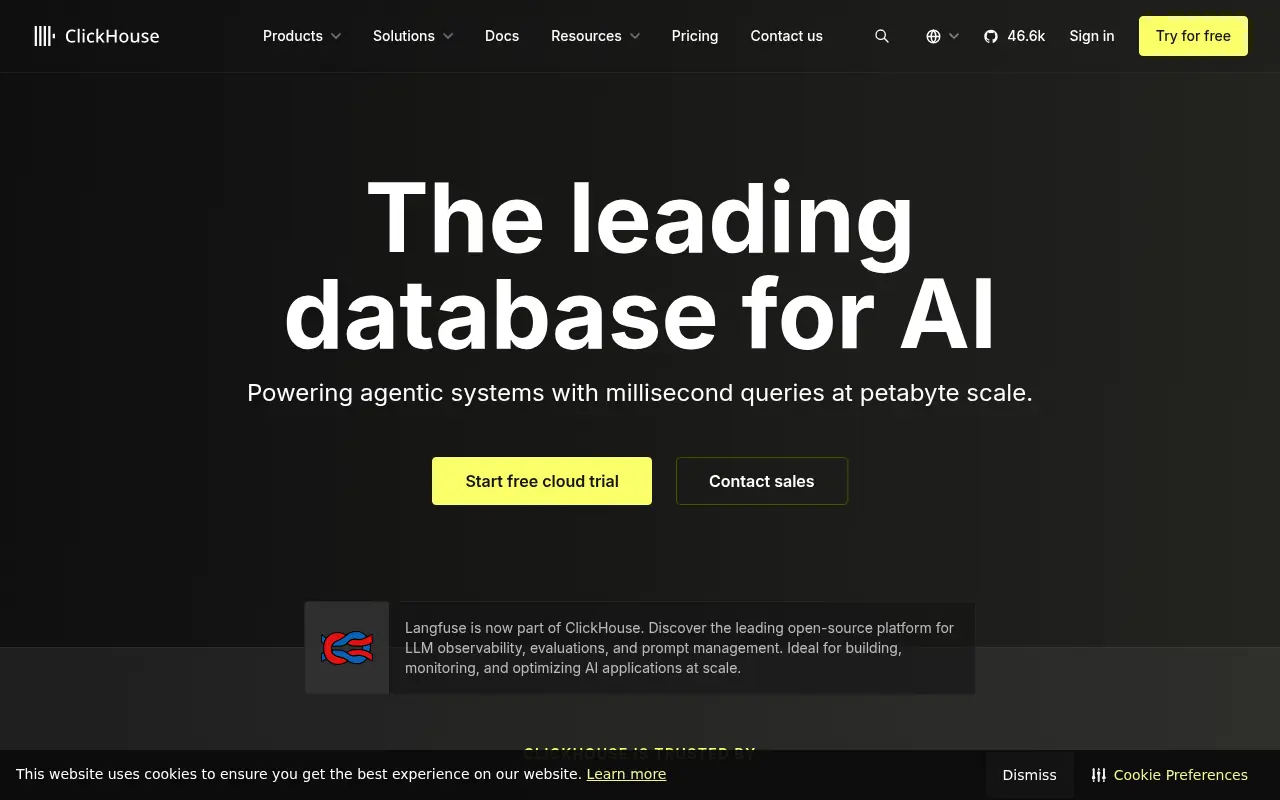

ClickHouse
ClickHouse is a lightning-fast, open-source, column-oriented database management system built for real-time online analytical processing (OLAP).
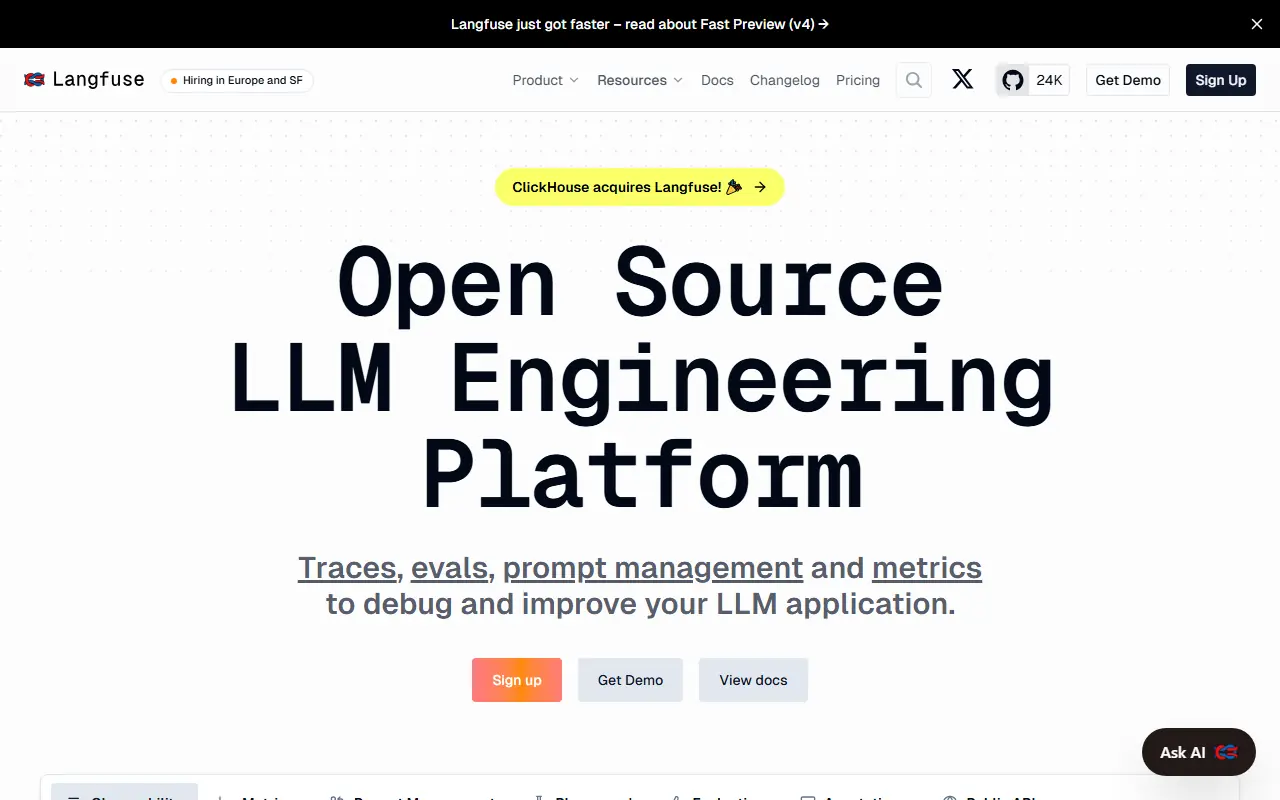

Langfuse
Langfuse is an open-source LLM engineering platform that provides observability, analytics, prompt management, and evaluations for AI applications.