

PagerDuty
What is PagerDuty?
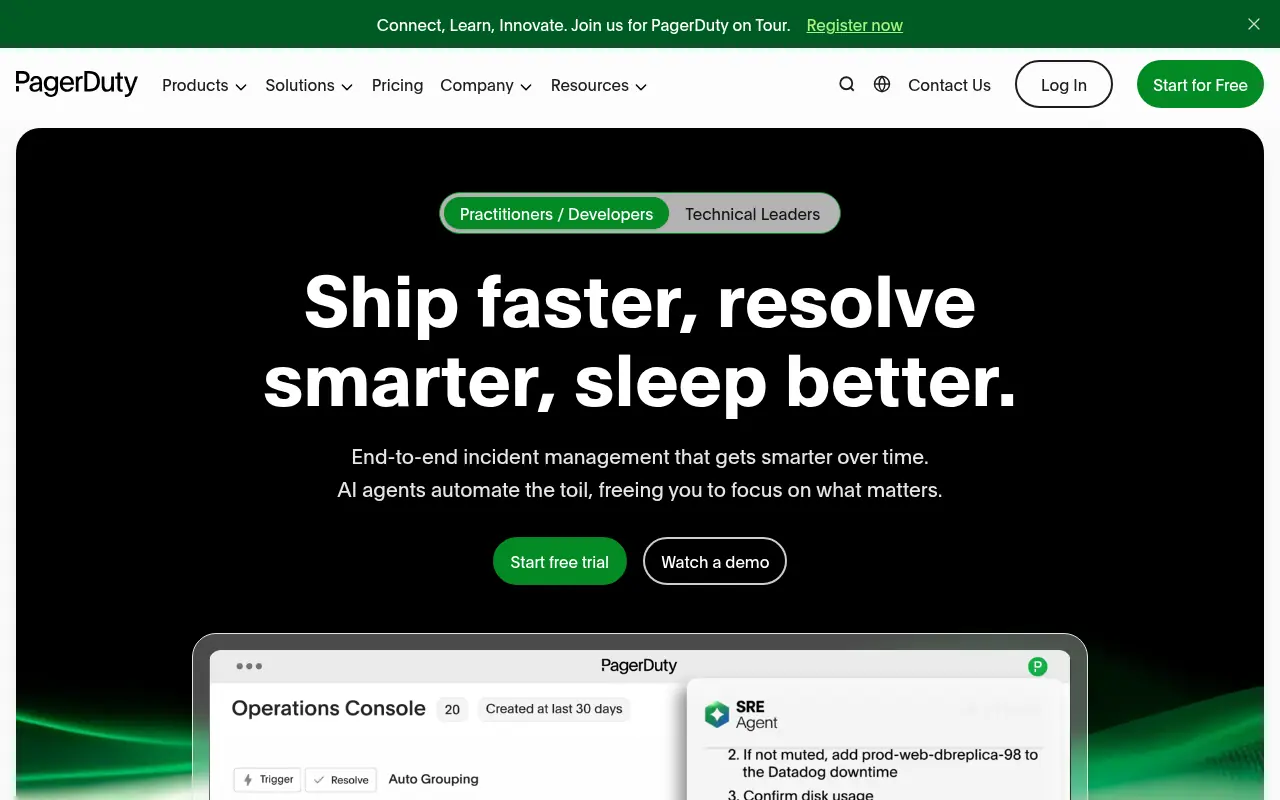
PagerDuty is a cloud computing company that produces a SaaS incident response platform for IT, DevOps, and security departments. It serves as a central nervous system for an organization's digital operations, collecting alerts from monitoring tools and orchestrating the appropriate automated response. The platform helps teams manage on-call schedules, escalate critical alerts automatically, and analyze past incidents to improve future reliability. Through its integration of AIOps and automation, PagerDuty empowers engineering and customer service teams to minimize downtime and resolve issues before they impact customers.
How to use PagerDuty?
To use PagerDuty, organizations first integrate it with their existing monitoring, ticketing, and chat tools (like Datadog, Jira, and Slack). Next, administrators set up on-call schedules and escalation policies to determine who gets notified when an incident occurs via phone, SMS, push notification, or email. When an alert triggers, responders acknowledge, investigate, and resolve the incident within the platform, utilizing PagerDuty's AIOps to reduce noise and runbook automation to execute diagnostics or remediation scripts directly from the alert.
PagerDuty's Core Features
On-call management automatically routes critical alerts to the right person at the right time based on highly configurable schedules.
Automated escalation policies ensure incidents are automatically passed to the next tier or manager if not acknowledged promptly.
AIOps capabilities reduce alert fatigue by using machine learning to intelligently group related alerts and suppress background noise.
An ecosystem of over 700 native integrations connects seamlessly with popular monitoring, ticketing, and chat tools.
Incident workflows automate manual coordination tasks like setting up conference bridges, creating chat channels, and updating status pages.
Analytics and reporting dashboards provide deep insights into team performance, system health, and historical incident trends.
Customer service operations tools bridge the communication gap between engineering and support teams during major outages.
Runbook automation safely executes self-healing scripts, auto-remediation, and diagnostics directly from the incident interface.
PagerDuty's Use Cases
- #1
Automating incident response and on-call scheduling for DevOps, IT, and site reliability engineering (SRE) teams.
- #2
Reducing alert noise and fatigue by using AIOps to intelligently group related alerts into a single actionable incident.
- #3
Empowering customer service teams with real-time operational status updates to better manage user complaints during outages.
- #4
Executing automated diagnostic and remediation scripts (runbooks) during a major incident to speed up resolution times.
- #5
Tracking incident metrics and generating data-driven post-incident reviews to improve overall system reliability.
Frequently Asked Questions
Analytics of PagerDuty
Monthly Visits Trend: Jun 2025 - Aug 2026
Traffic Sources
AI Channel Traffic Trends
Top Regions
| Region | Traffic Share |
|---|---|
| United States | 58.72% |
| India | 8.95% |
| Canada | 2.87% |
| United Kingdom | 2.07% |
| Germany | 2.05% |
Top Keywords
| Keyword | Traffic | CPC |
|---|---|---|
| pagerduty | 43.3K | $18.39 |
| sir form online | 100.2K | $0.77 |
| pager duty | 6.5K | $29.58 |
| ping test | 435.8K | $0.83 |
| pagerduty careers | 1.1K | $1.98 |
Alternative of PagerDuty

Gumloop
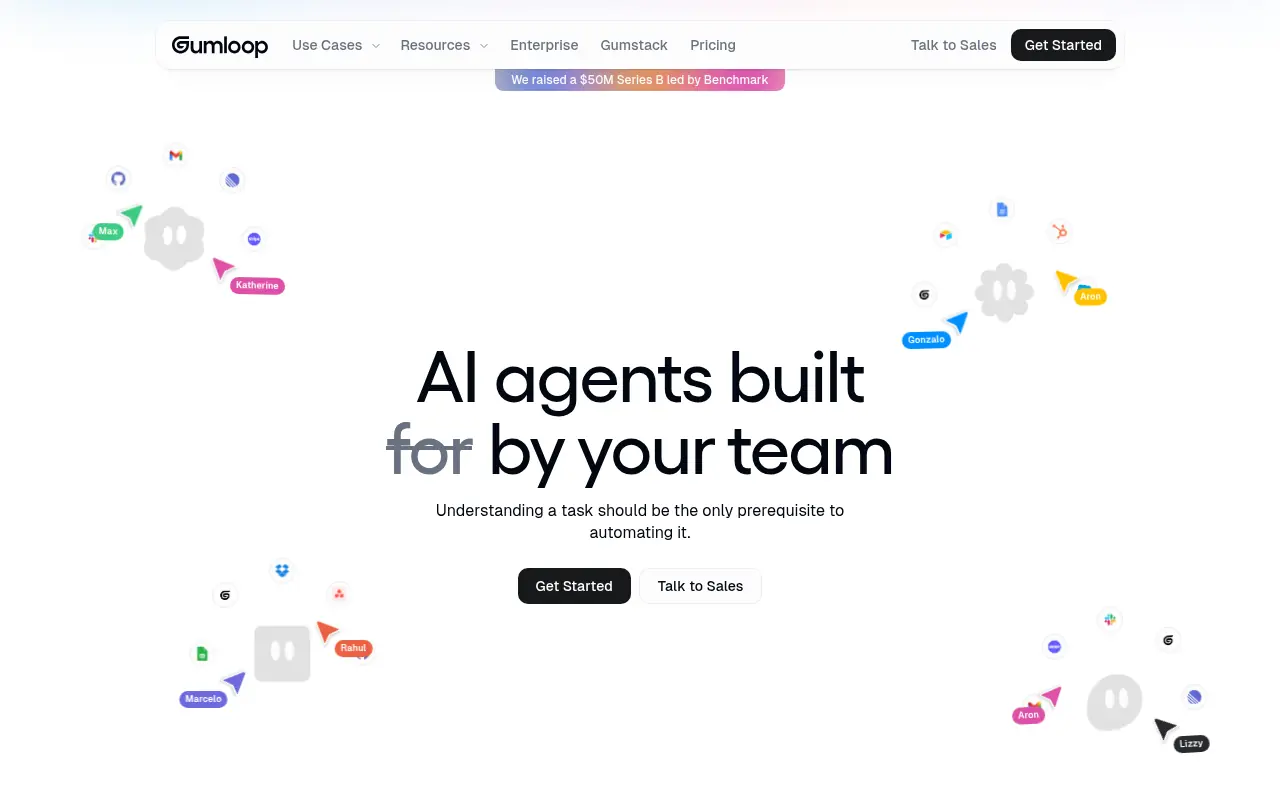
A no-code, AI-native automation platform for visually building intelligent workflows and autonomous agents.

Yingdao
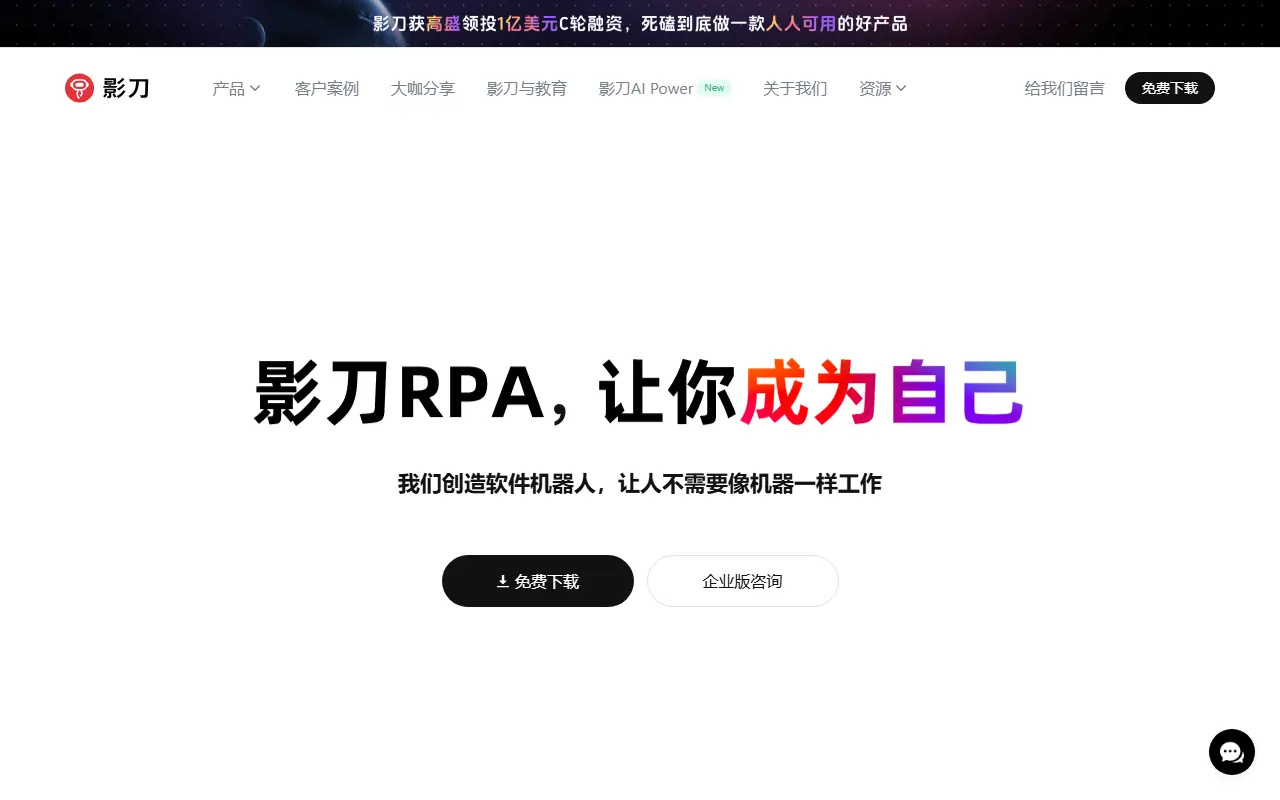
Yingdao RPA is an intelligent Robotic Process Automation platform that allows users to build automated workflows across PC, Mac, and mobile platforms without coding.

Home Assistant
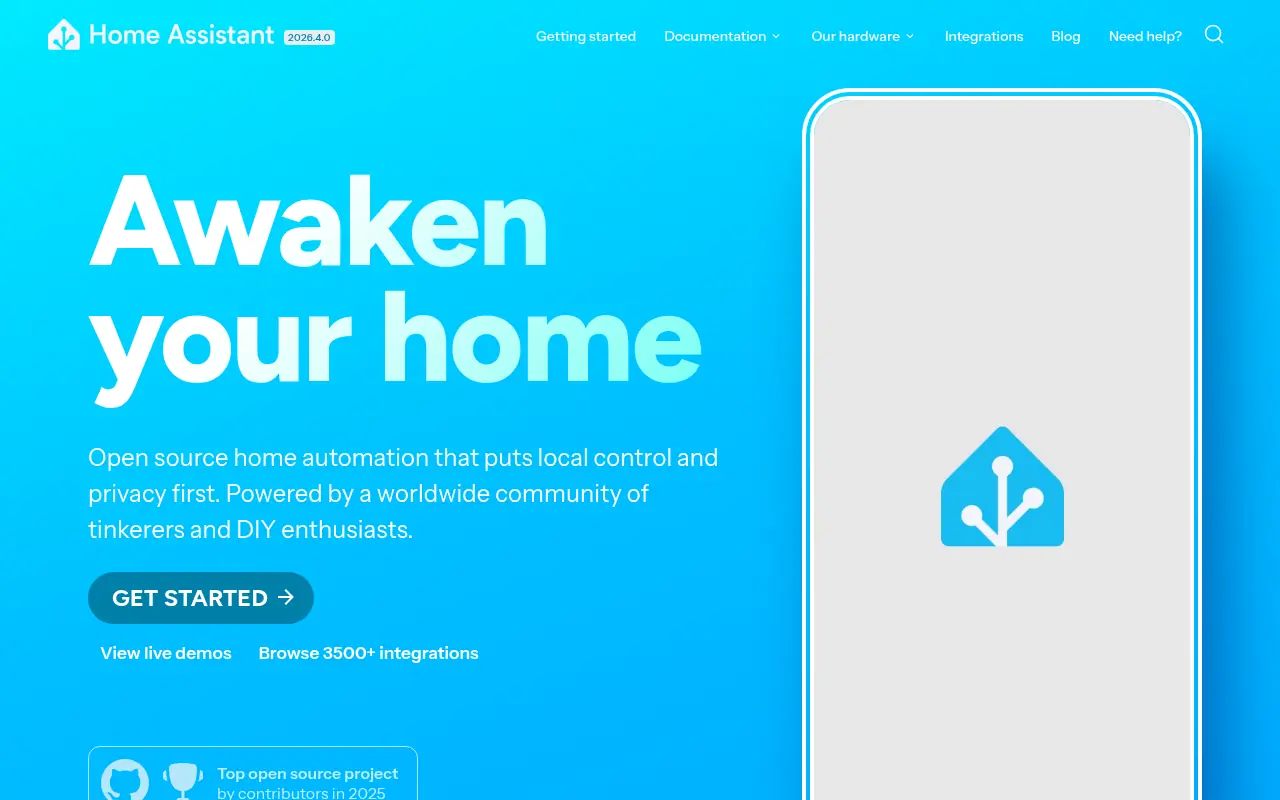
Home Assistant is a free, open-source home automation platform designed to be the central control system for smart home devices with a strong focus on local control and privacy.


Browser Use
Automate browser tasks with stealth-ready AI agents that extract, test, and complete web workflows faster and with less manual work.
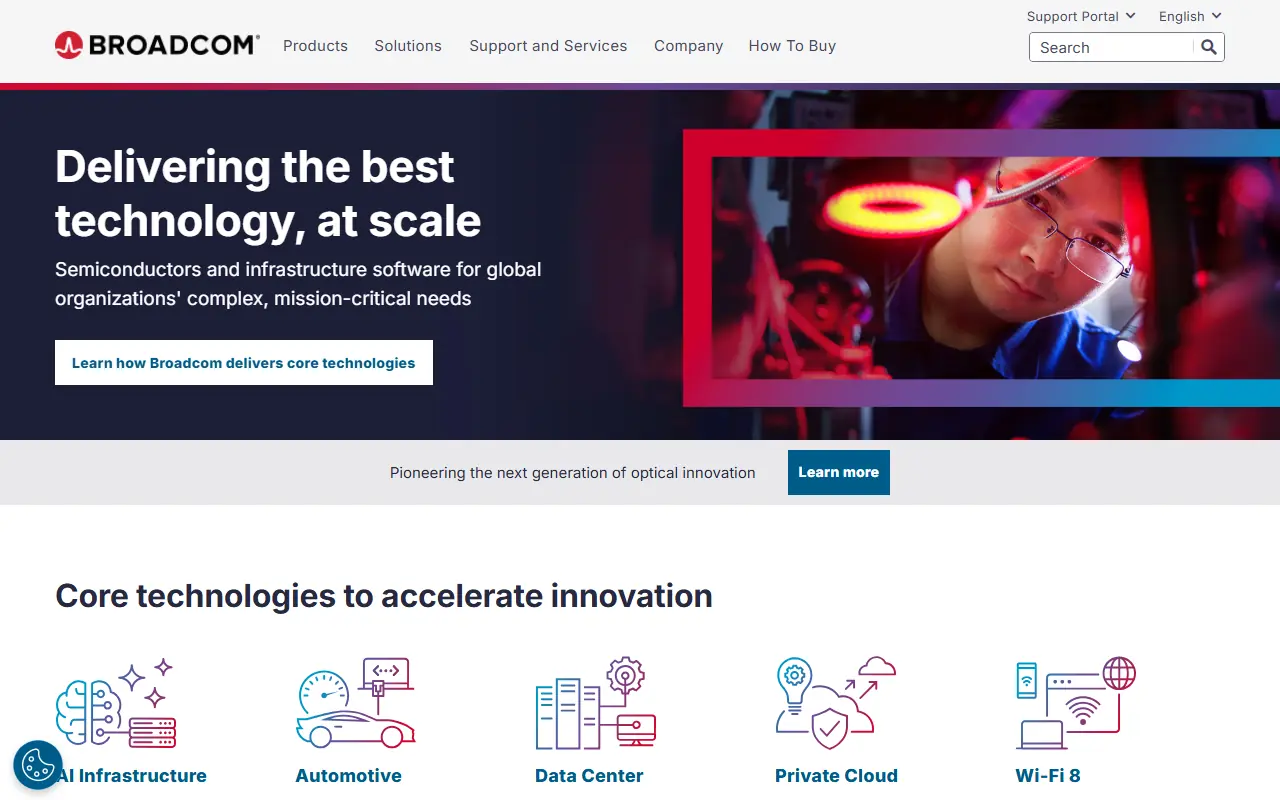

Broadcom
Broadcom Inc. is a global technology leader that designs, develops, and supplies a comprehensive range of semiconductor and enterprise infrastructure software solutions.
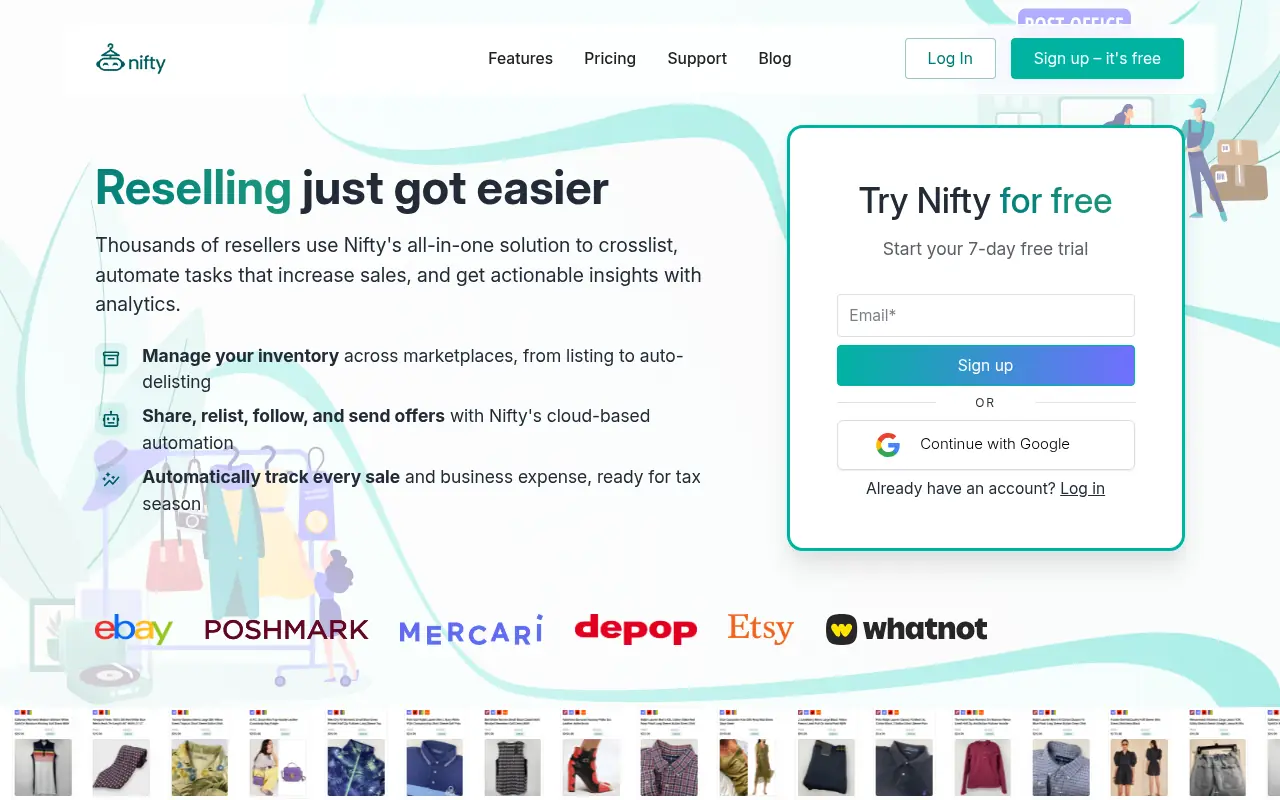

Nifty AI
Nifty AI is a cloud-based reselling tool that uses AI to automate crosslisting, daily sharing, and inventory management for multi-marketplace sellers.
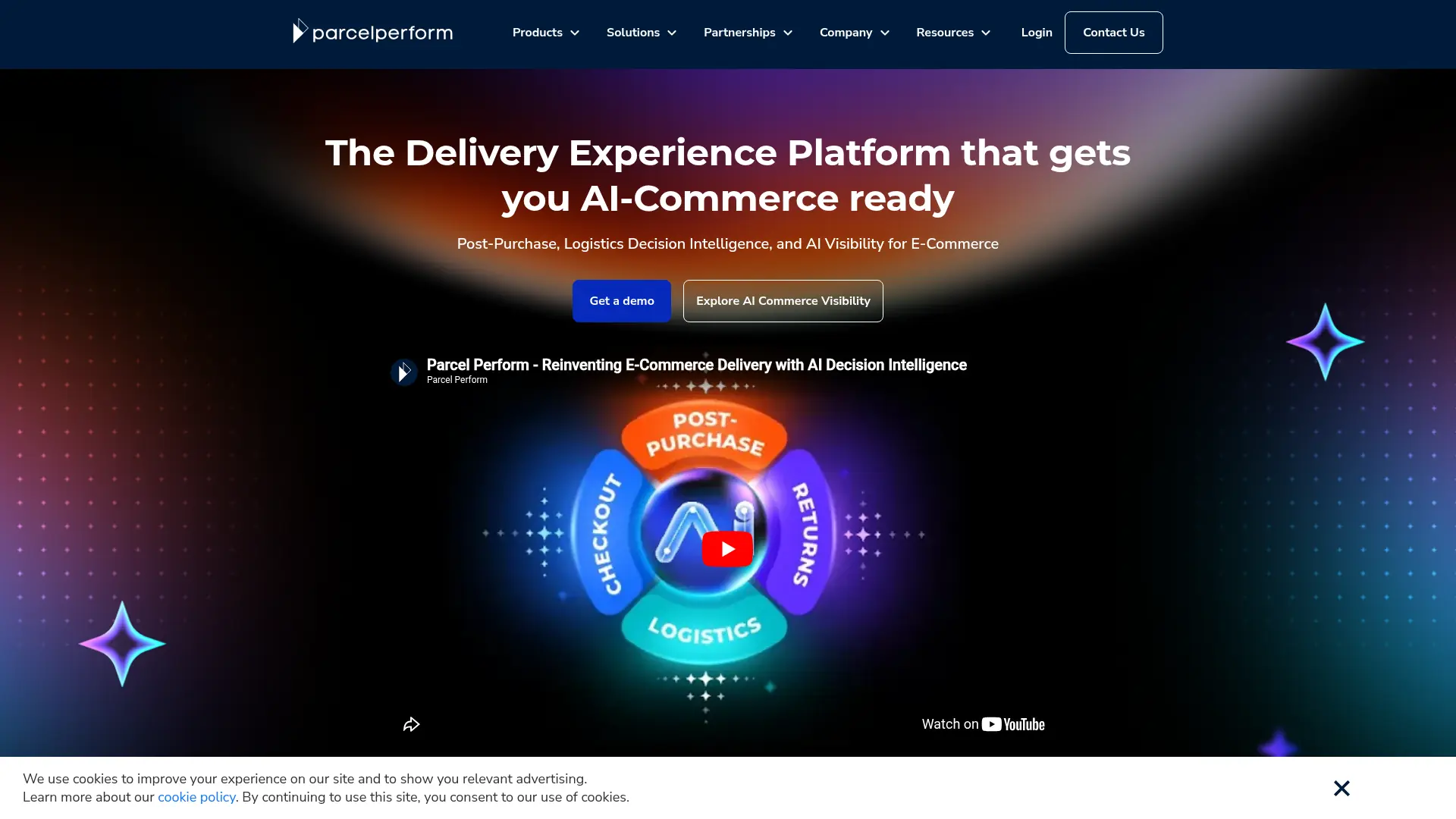

Parcel Perform
An AI-native delivery experience platform that transforms logistics data into actionable trust signals to improve search visibility, customer loyalty, and operational efficiency.
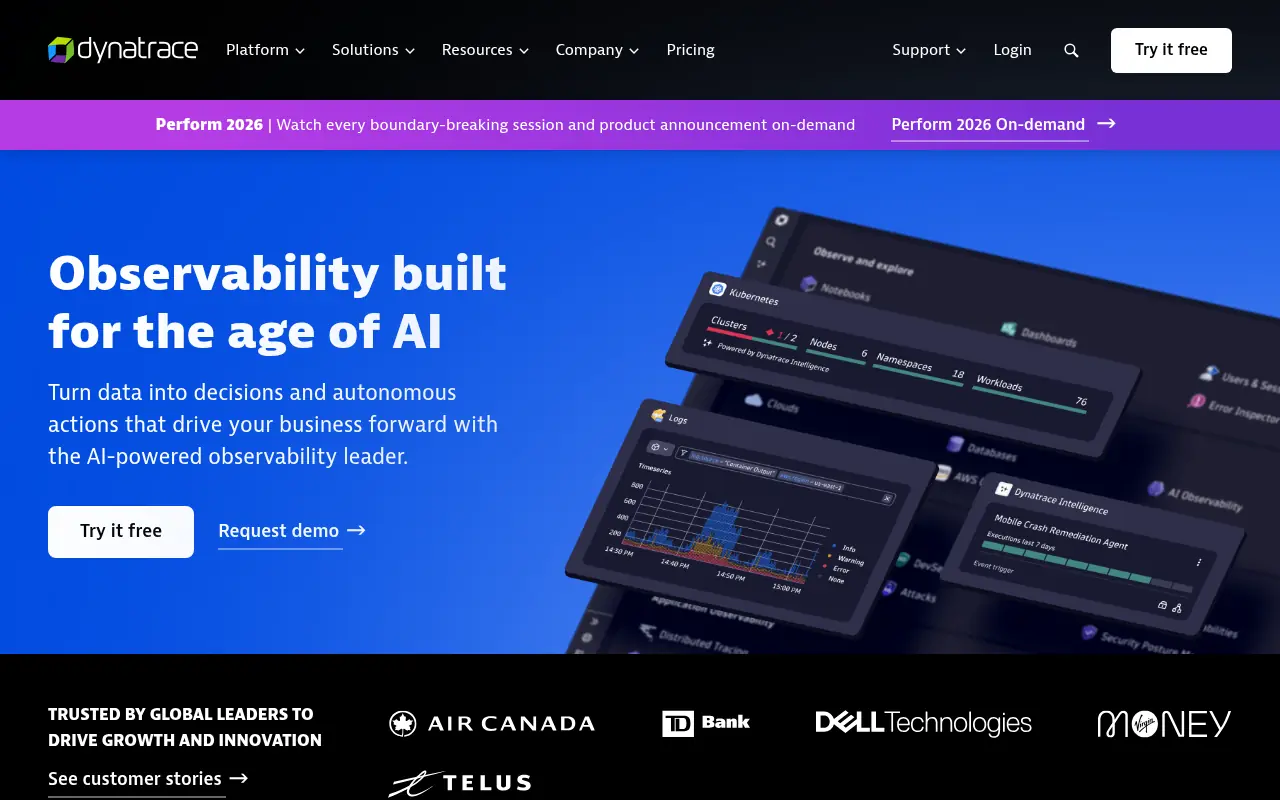

Dynatrace
Dynatrace is a comprehensive software intelligence platform that uses AI and automation to monitor and optimize application performance, IT infrastructure, and digital experiences.