

Home Assistant
What is Home Assistant?
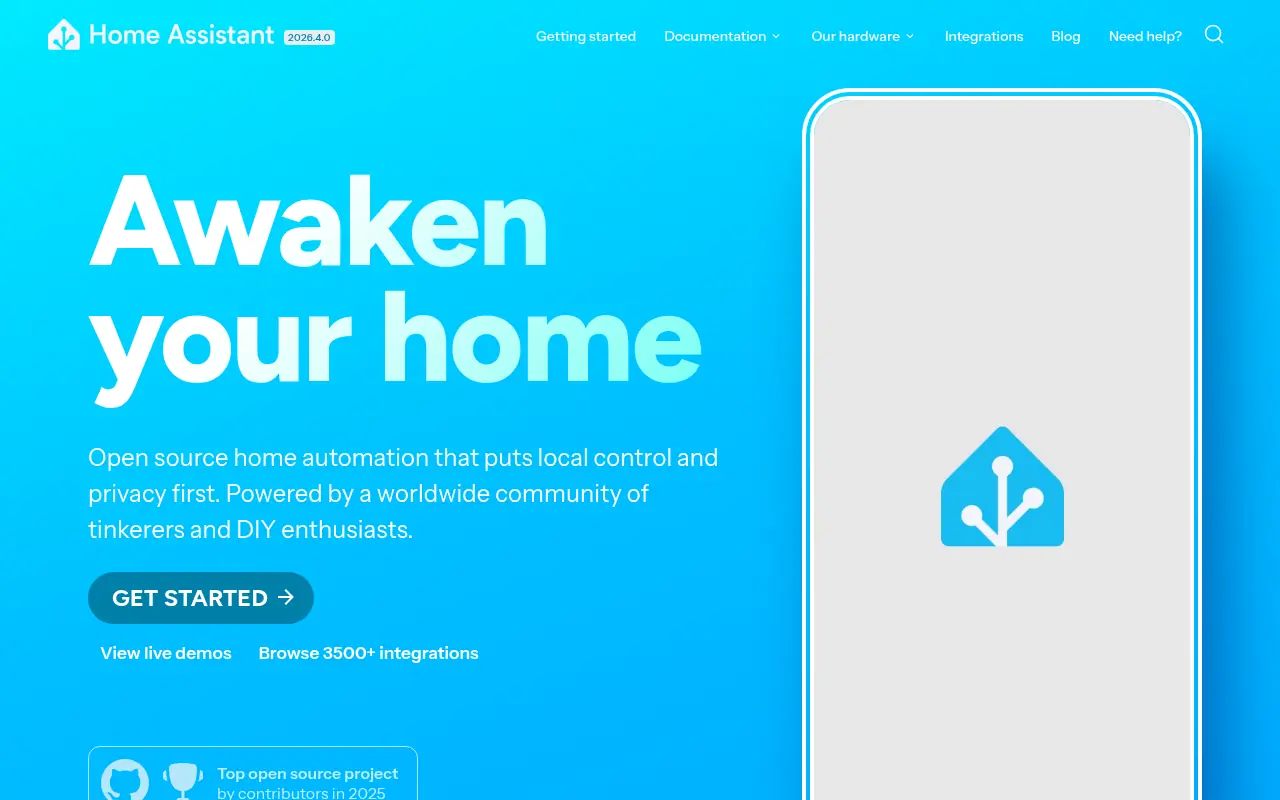
Home Assistant is a powerful, open-source home automation software built to put local control and privacy first. It serves as a central hub that unifies thousands of smart devices and services from different brands into a single, cohesive interface. The platform's mission is to empower users to build the perfect smart home without relying on the cloud, ensuring their data remains strictly private. By allowing users to create powerful, custom automations, it solves the problem of smart home fragmentation. Whether using a simple visual editor or writing advanced code, users can tailor their living environments to react automatically to their daily routines.
How to use Home Assistant?
To use Home Assistant effectively, you start by installing the operating system on a dedicated local device, such as a Raspberry Pi, Odroid, or a mini PC. Once booted, you access the web interface to automatically discover and integrate your existing smart home devices from various brands. From the dashboard, you can build custom automations using the built-in visual editor to trigger actions based on schedules, device states, or sensor readings. Finally, you can customize your user interface with personalized dashboards and safely enable remote access or local voice assistants for seamless, hands-free control of your home ecosystem.
Home Assistant's Core Features
Offers local control of smart home devices without relying on external cloud connections.
Supports over a thousand different device integrations and web services out of the box.
Features a powerful automation engine for linking devices, triggers, conditions, and actions together.
Provides highly customizable dashboards for monitoring and controlling the entire home ecosystem.
Includes a built-in energy management dashboard to track electricity, gas, and water consumption.
Allows users to set up completely local voice assistants to command their smart home privately.
Preserves maximum data privacy by storing all home automation data locally by default.
Offers free companion apps for iOS and Android to manage your home remotely and provide sensor data.
Home Assistant's Use Cases
- #1
Creating custom daily routines that adjust lighting, temperature, and blinds automatically.
- #2
Unifying smart home devices from different manufacturers like Apple, Google, and Philips into one central dashboard.
- #3
Setting up a locally-hosted voice assistant that processes commands without sending audio recordings to the cloud.
- #4
Monitoring whole-home energy usage by integrating solar panel data, grid consumption, and smart plug metrics.
- #5
Building advanced local security systems that trigger alarms, lights, and notifications upon motion detection.
- #6
Tracking family members' presence using mobile device geolocation to arm or disarm home systems.
Frequently Asked Questions
Analytics of Home Assistant
Monthly Visits Trend: Jun 2025 - Sep 2026
Traffic Sources
AI Channel Traffic Trends
Top Regions
| Region | Traffic Share |
|---|---|
| United States | 23.97% |
| Germany | 20.27% |
| United Kingdom | 4.88% |
| France | 4.40% |
| Netherlands | 4.06% |
Top Keywords
| Keyword | Traffic | CPC |
|---|---|---|
| home assistant | 196.3K | $0.91 |
| homeassistant | 29.1K | $1.07 |
| home assistant green | 39.6K | $0.69 |
| home assistant os | 6.9K | $0.68 |
| home assistant mcp | 6.5K | -- |
Alternative of Home Assistant

Yingdao
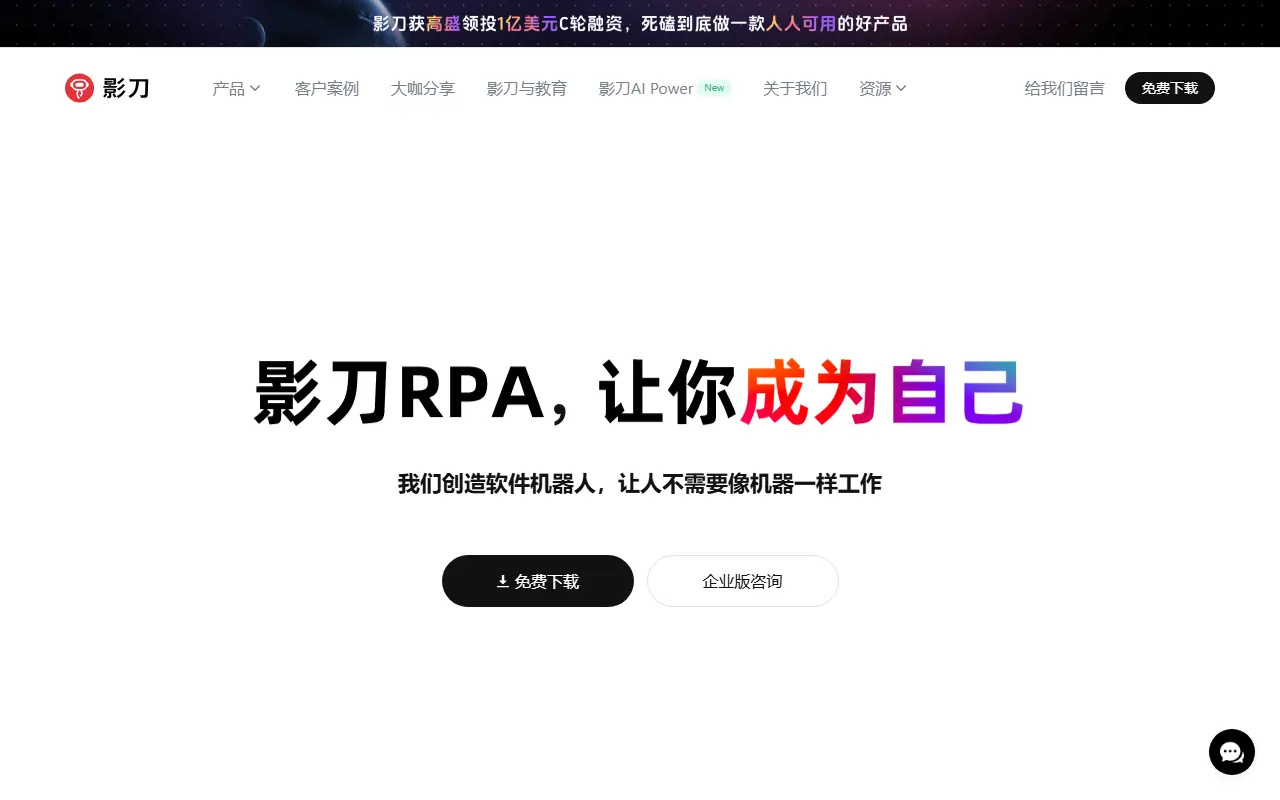
Yingdao RPA is an intelligent Robotic Process Automation platform that allows users to build automated workflows across PC, Mac, and mobile platforms without coding.

Gumloop
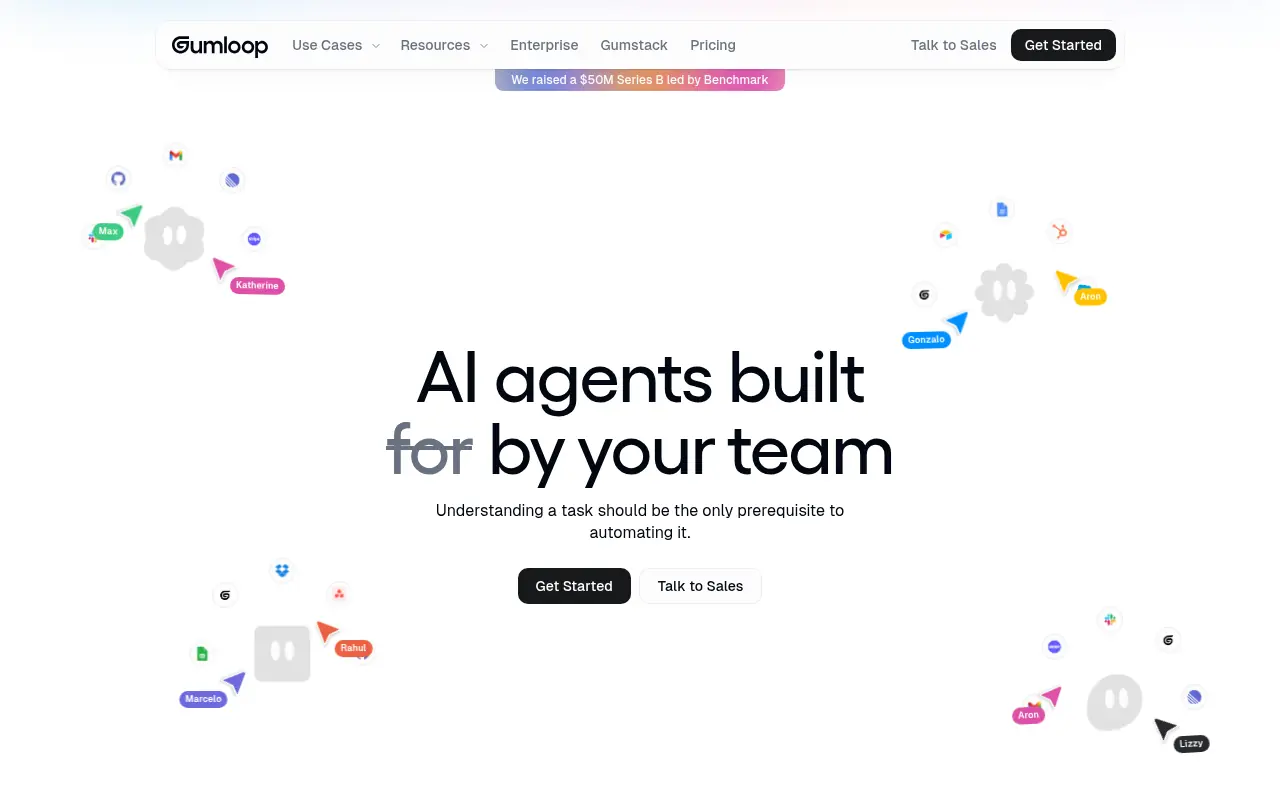
A no-code, AI-native automation platform for visually building intelligent workflows and autonomous agents.

Broadcom
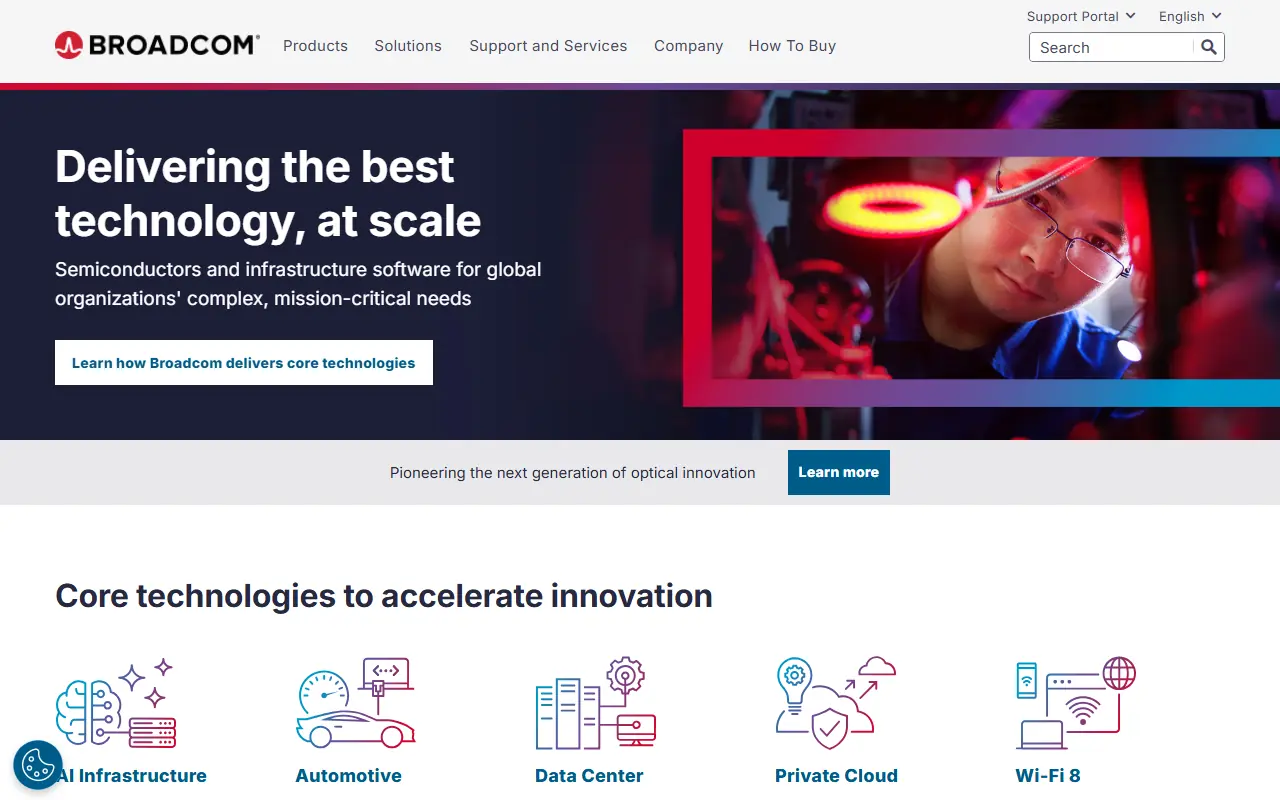
Broadcom Inc. is a global technology leader that designs, develops, and supplies a comprehensive range of semiconductor and enterprise infrastructure software solutions.
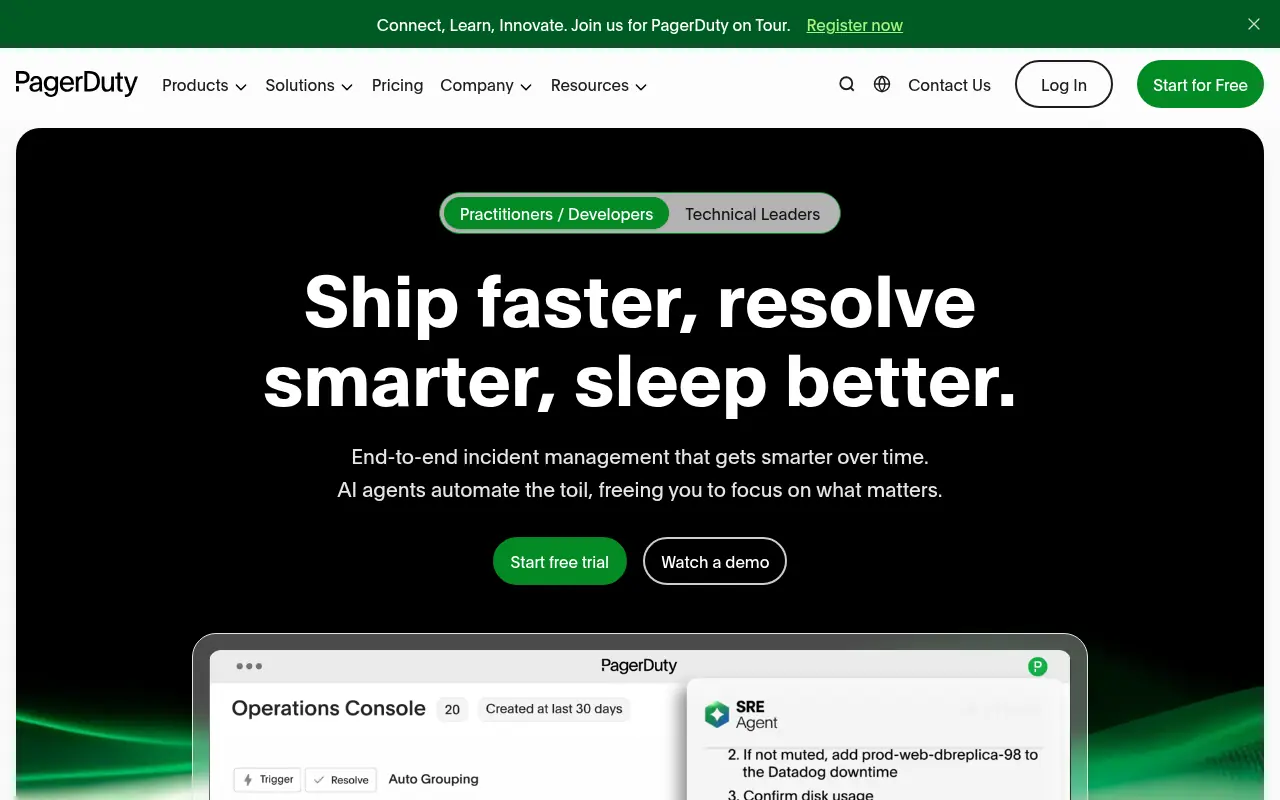

PagerDuty
PagerDuty is an incident management platform that leverages AI and automation to help organizations detect, respond to, and resolve operational issues faster.
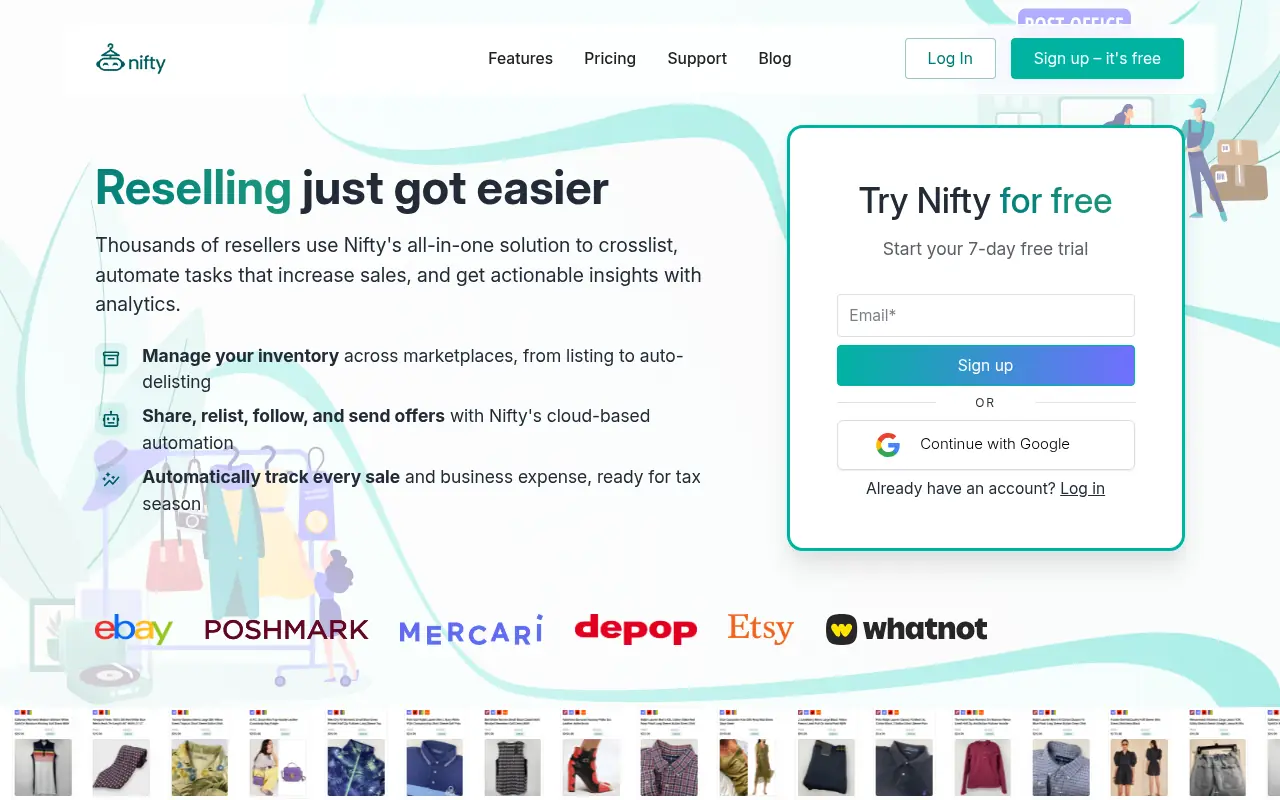

Nifty AI
Nifty AI is a cloud-based reselling tool that uses AI to automate crosslisting, daily sharing, and inventory management for multi-marketplace sellers.
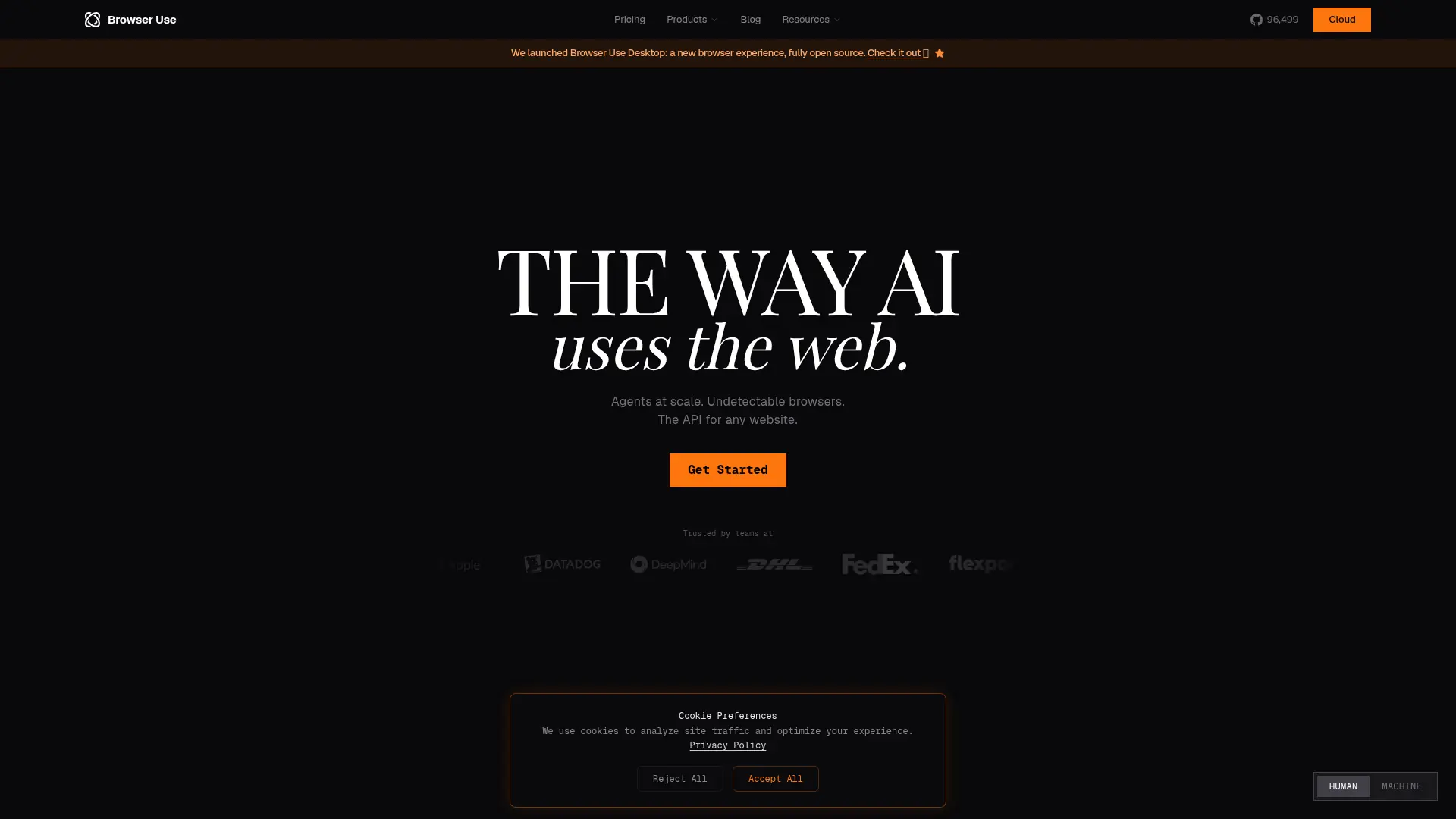

Browser Use
Automate browser tasks with stealth-ready AI agents that extract, test, and complete web workflows faster and with less manual work.
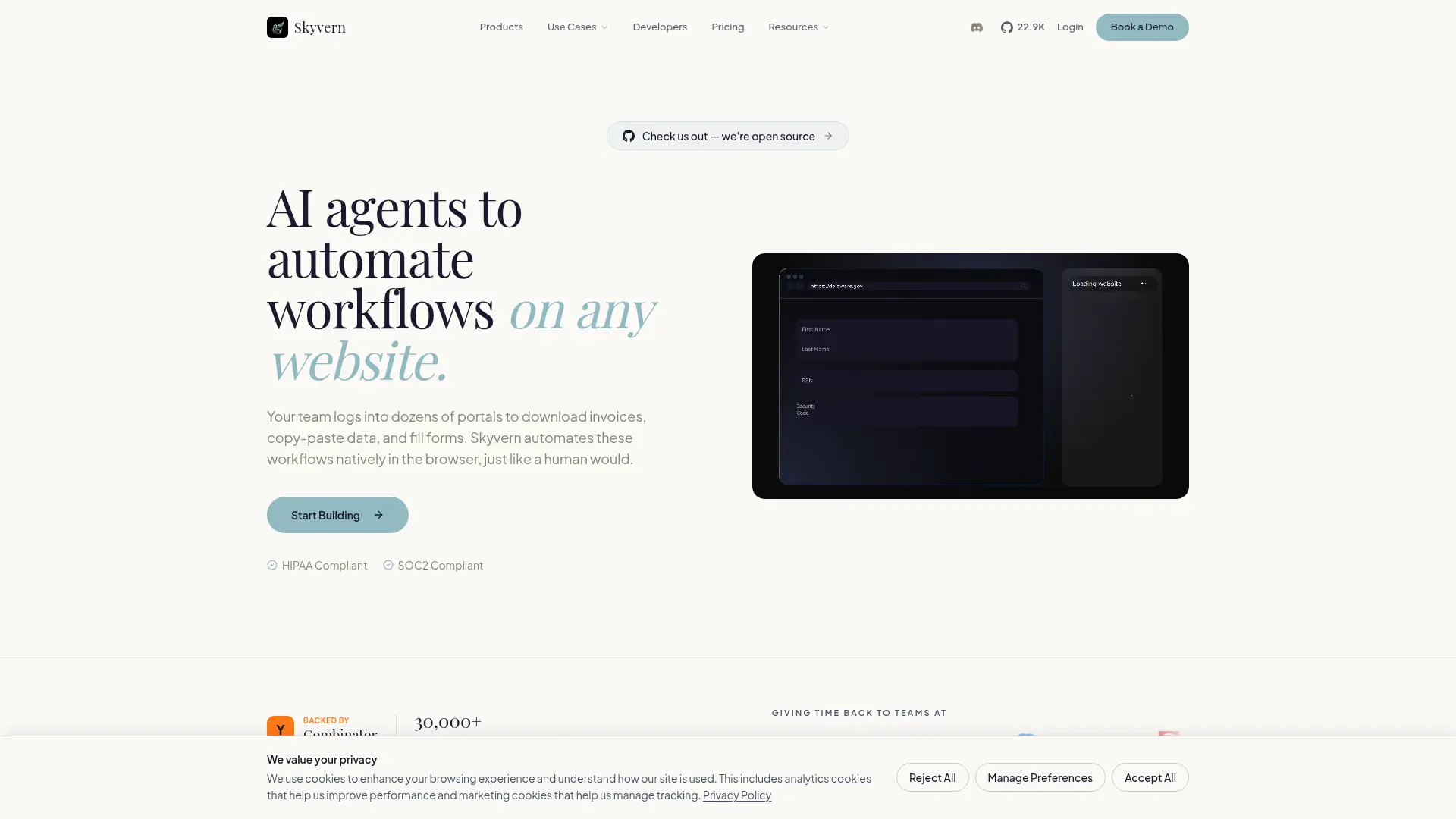

Skyvern
Automate browser workflows across complex websites without brittle selectors, custom connectors, or repetitive manual portal work.

Parcel Perform
An AI-native delivery experience platform that transforms logistics data into actionable trust signals to improve search visibility, customer loyalty, and operational efficiency.