

Leo AI

What is Leo AI?
Leo AI is the world's first engineering design copilot, built specifically for mechanical engineers and product design teams. It leverages a proprietary Large Mechanical Model (LMM) trained on millions of man-made products to understand engineering requirements, constraints, and best practices. The platform integrates directly into popular CAD editors and PLM systems, enabling engineers to convert sketches, specifications, and requirements into DFMA-optimized 3D CAD models. Leo combines multi-modal input capabilities—including textual descriptions, hand-drawn sketches, 2D images, and 3D CAD files—to provide domain-specific intelligence for design optimization, technical problem-solving, and component sourcing. With over 60,000 professionals already using it, Leo aims to reduce design time, minimize errors, and free engineers to focus on creative and strategic work rather than tedious tasks.
How to use Leo AI?
To use Leo AI effectively, start by integrating it with your existing CAD platform (such as Onshape, SolidWorks, or Teamcenter). Once integrated, you can interact with Leo directly from your CAD editor by describing design requirements in plain language, uploading sketches or specifications, or referencing existing CAD geometry. Use Leo's features to generate design alternatives, search for parts from a library of over 112 million components, solve engineering calculations by describing the problem, and obtain verified answers to technical questions backed by 1M+ trusted sources. The platform will provide DFMA-optimized suggestions and can generate documentation drafts like BOMs and specifications, which you can review and refine within your workflow.
Leo AI's Core Features
Large Mechanical Model (LMM) purpose-built for engineering that understands machine parts as tokens and generates DFMA-compliant product assemblies.
Multi-modal input processing accepts textual descriptions, hand-drawn sketches, 2D images, and 3D CAD files to understand design intent.
CAD-native integration works seamlessly within existing CAD editors (Onshape, SolidWorks, Teamcenter, Windchill) without requiring users to switch applications.
Vendor part search capability across 112+ million supplier-certified components with natural language queries and geometry-aware suggestions.
Engineering calculation solver that identifies correct formulas, performs computations, and cites trusted sources for problems like stress analysis and material selection.
Technical question answering trained on 1M+ trusted engineering sources to provide verified, high-fidelity answers within CAD editors.
Automated documentation generation creates structured drafts of BOMs, reports, and specifications based on project data.
Enterprise-grade security with SOC 2 certification, GDPR compliance, and zero training on customer data.
Material selection assistance that analyzes requirements and surfaces options balancing strength, weight, cost, and compliance constraints.
Design geometry interpretation that can suggest suitable parts based on CAD design geometry without requiring written descriptions.
Leo AI's Use Cases
- #1
Accelerate design iteration by converting sketches and specifications into optimized 3D CAD models in minutes instead of hours
- #2
Search for the right mechanical components across supplier libraries using natural language descriptions rather than manual catalog browsing
- #3
Solve complex engineering calculations for stress analysis, material selection, and compliance verification with verified, source-backed answers
- #4
Generate structured documentation including Bills of Materials (BOMs), technical reports, and product specifications from existing project data
- #5
Reduce design errors and increase part reuse by leveraging AI-driven recommendations that incorporate organizational best practices
- #6
Streamline vendor part sourcing by describing design needs in plain language and receiving relevant component suggestions in seconds
- #7
Support engineering teams in material selection by analyzing requirements and surfacing optimal options based on strength, weight, cost, and compliance factors
- #8
Enhance collaboration between engineering teams by providing CAD-aware context and geometry understanding for more relevant design feedback
Frequently Asked Questions
Analytics of Leo AI
Monthly Visits Trend: Jun 2025 - Aug 2026
Traffic Sources
AI Channel Traffic Trends
Top Regions
| Region | Traffic Share |
|---|---|
| United States | 28.73% |
| United Kingdom | 6.85% |
| India | 5.89% |
| France | 4.73% |
| Israel | 4.34% |
Top Keywords
| Keyword | Traffic | CPC |
|---|---|---|
| leo ai | 16.2K | $2.21 |
| leo-ai | 250 | -- |
| leo al | 500 | -- |
| leo | 225.7K | $0.83 |
| can claude convert pdf to dwg | 250 | -- |
Alternative of Leo AI
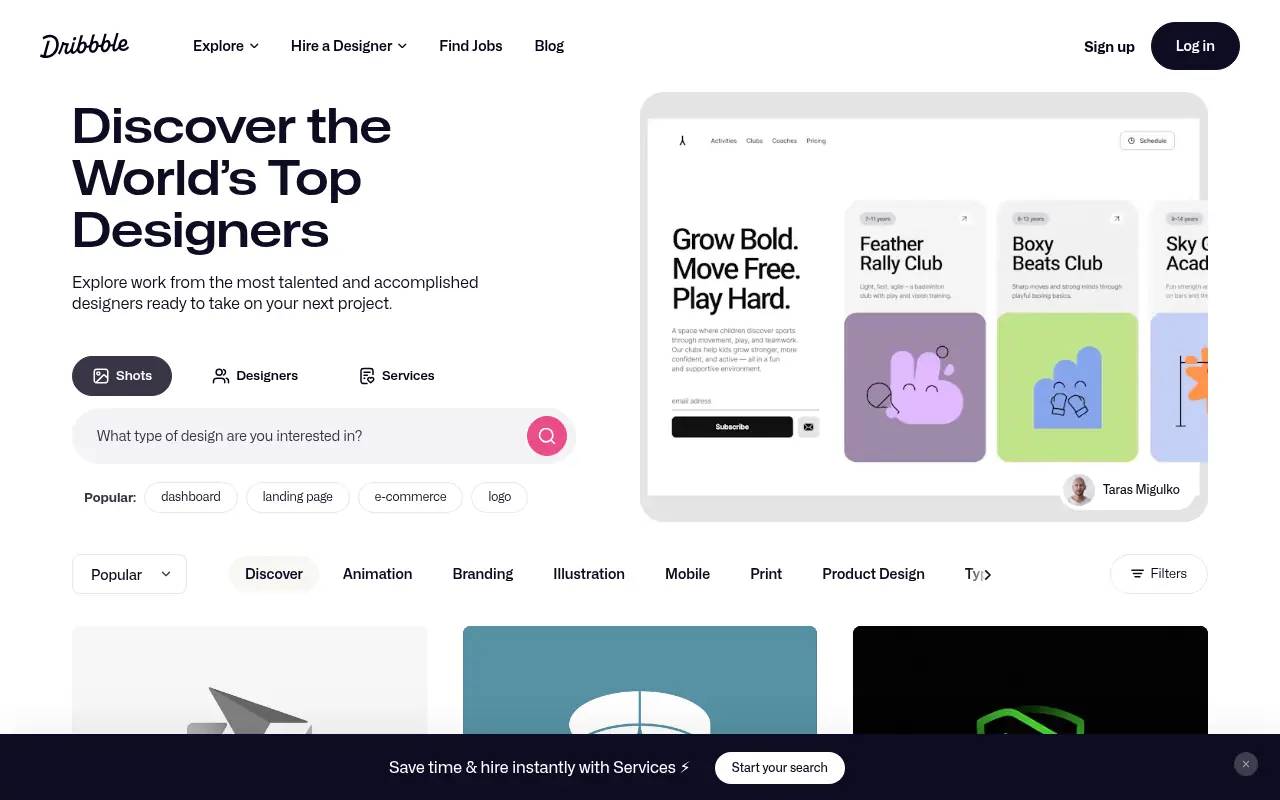

Dribbble
Dribbble is a community platform for designers to showcase their work, connect with peers, and find job opportunities.
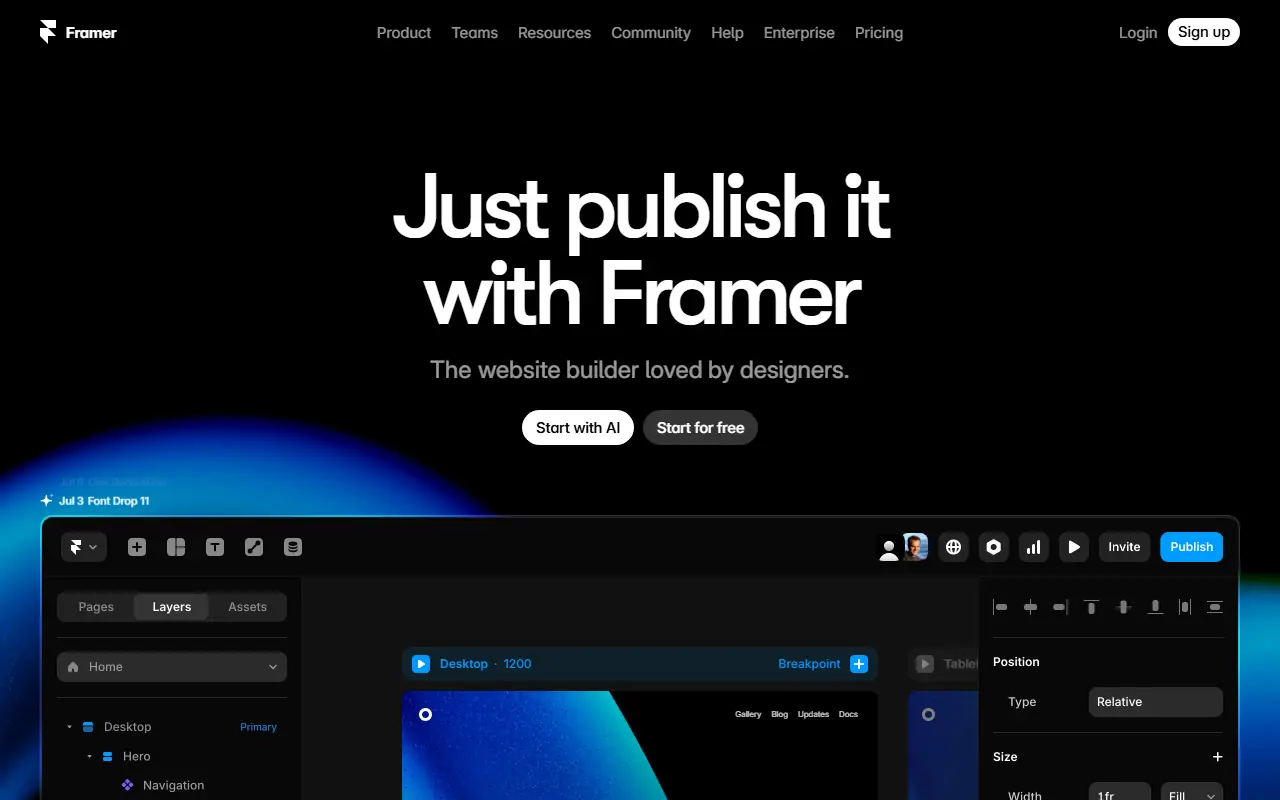

Framer
Framer is a web design and prototyping tool for creating interactive, visually stunning websites and applications.


Flux
Flux is a browser-based, AI-powered hardware design platform built for collaborative printed circuit board (PCB) design and schematic capture.


NovelAI
NovelAI is an AI-powered platform for generating creative writing and visual storytelling content.


Visily
Visily is an AI-powered UI design platform for creating high-fidelity wireframes and prototypes quickly, tailored for non-designers and teams.


Xingliu
Xingliu is an advanced AI-powered design agent that helps creators generate professional brand visuals, poster illustrations, and product designs using the Star-3 foundation model.


Locofy
Locofy.ai converts Figma and Adobe XD designs into production-ready frontend code, accelerating web and mobile app development.
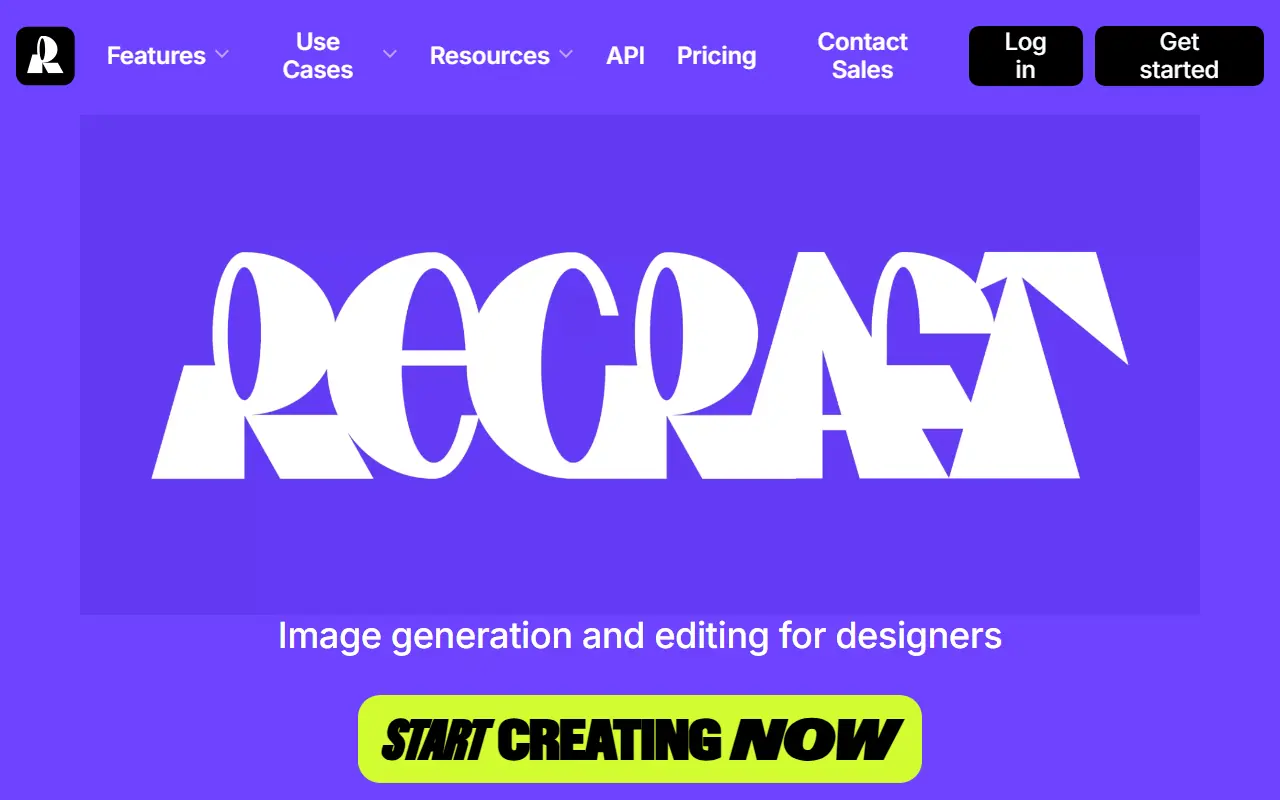

Recraft
Recraft is an AI-powered design platform for creating professional-grade graphics, illustrations, and digital art.