

Kagi
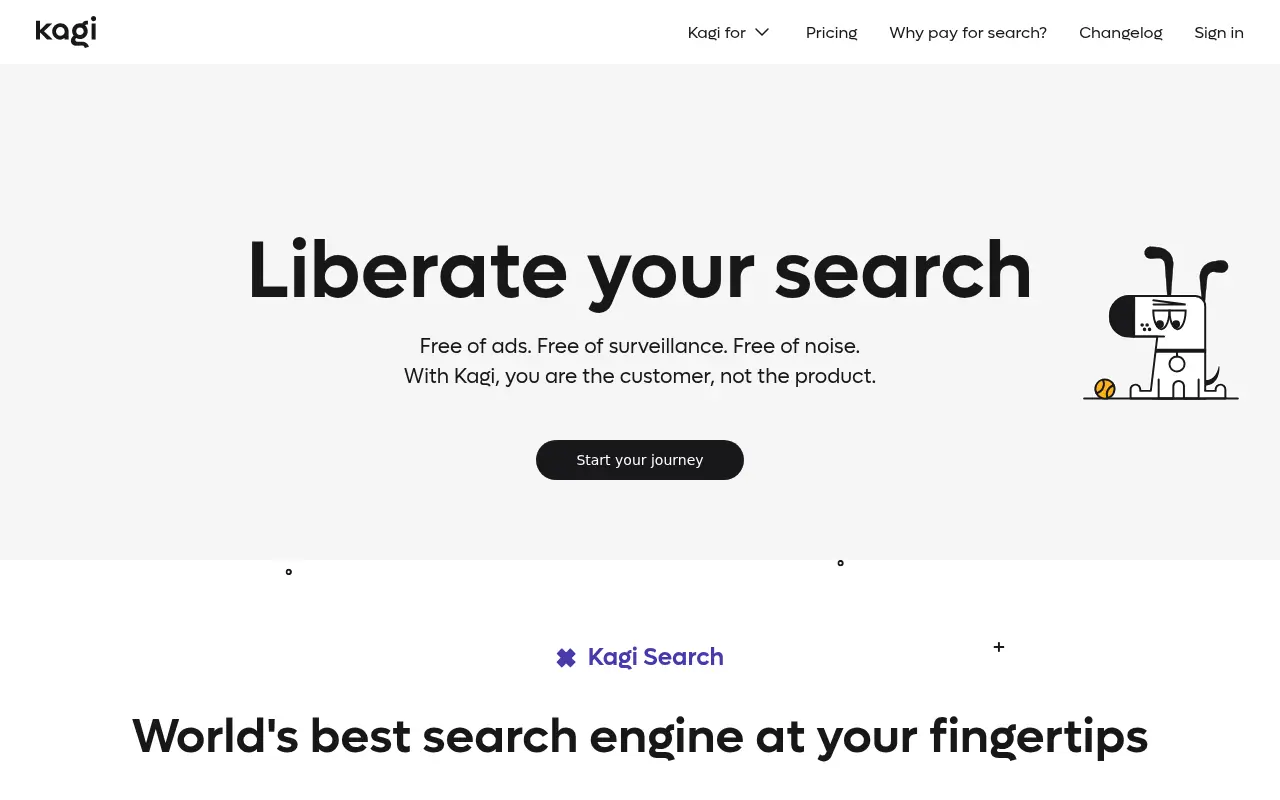
What is Kagi?
Kagi is a premium, ad-free search engine designed to prioritize the user's experience and privacy. Unlike traditional search engines that rely on ad revenue, Kagi is entirely sustained by user subscriptions, ensuring that search results are never manipulated by advertisers. It empowers users with extensive customization options, allowing them to boost, downrank, or completely block specific domains to tailor their search experience. Additionally, Kagi integrates advanced AI features, such as instant web page summaries and quick answers, to streamline information gathering. Its core mission is to humanize the web by offering a fast, clean, and highly relevant search environment free from corporate tracking.
How to use Kagi?
To use Kagi, sign up for an account on their website and choose a subscription plan or initiate a free trial. Once logged in, you can set Kagi as your default search engine in your web browser using their dedicated browser extensions or by following the provided manual setup instructions. From there, perform queries as you normally would, and use the built-in control panel to customize your search parameters, boost favorite domains, or filter out unwanted content.
Kagi's Core Features
Delivers a completely ad-free and tracking-free search experience.
Allows users to personalize results by pinning, boosting, or blocking specific domains.
Provides an AI-powered Quick Answer tool for instant, summarized responses to queries.
Features Lenses to narrow searches to specific topics, regions, or website categories.
Offers seamless integration with desktop and mobile browsers via extensions.
Focuses on delivering high-quality, relevant results by demoting low-effort SEO spam.
Kagi's Use Cases
- #1
Conducting ad-free, privacy-respecting web searches without user tracking.
- #2
Customizing search results by permanently boosting or blocking specific websites.
- #3
Getting quick, AI-generated answers and document summaries directly from search results.
- #4
Filtering search results using Lenses to isolate technical, academic, or indie content.
- #5
Finding high-quality, relevant information while avoiding SEO-optimized spam.
Frequently Asked Questions
Analytics of Kagi
Monthly Visits Trend: Apr 2025 - Sep 2026
Traffic Sources
AI Channel Traffic Trends
Top Regions
| Region | Traffic Share |
|---|---|
| United States | 54.71% |
| Switzerland | 5.62% |
| United Kingdom | 5.02% |
| Canada | 4.35% |
| Ireland | 3.66% |
Top Keywords
| Keyword | Traffic | CPC |
|---|---|---|
| kagi | 46.5K | $0.51 |
| kagi translate | 6.0K | $0.26 |
| kagi search | 6.9K | $2.28 |
| kagi search engine | 2.7K | -- |
| orion browser | 20.1K | $1.63 |
Alternative of Kagi

Genspark
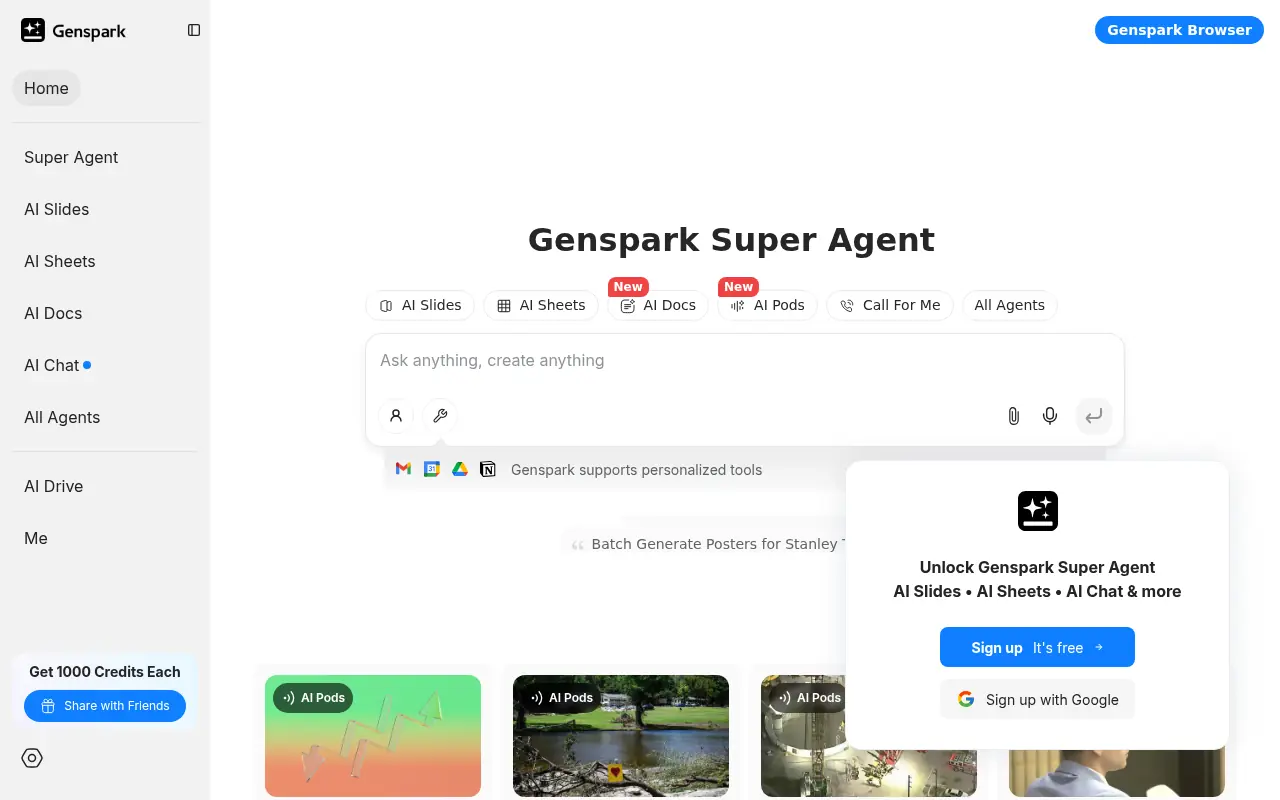
Genspark is an AI-powered search engine that delivers personalized, curated answers using specialized AI agents.

Liner
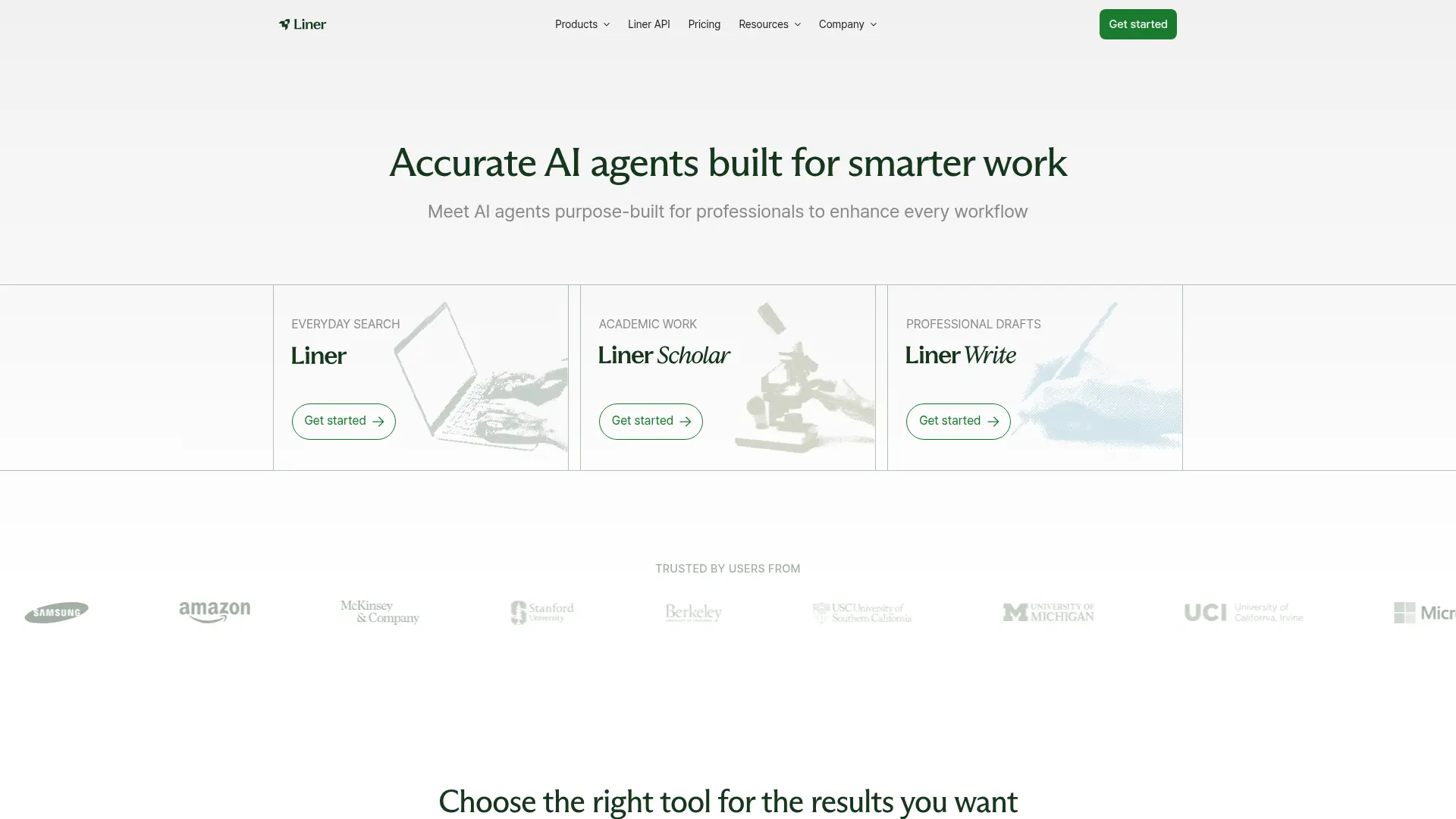
Accelerate research with AI-powered search, summaries, citations, and document analysis in one workflow.

Glean
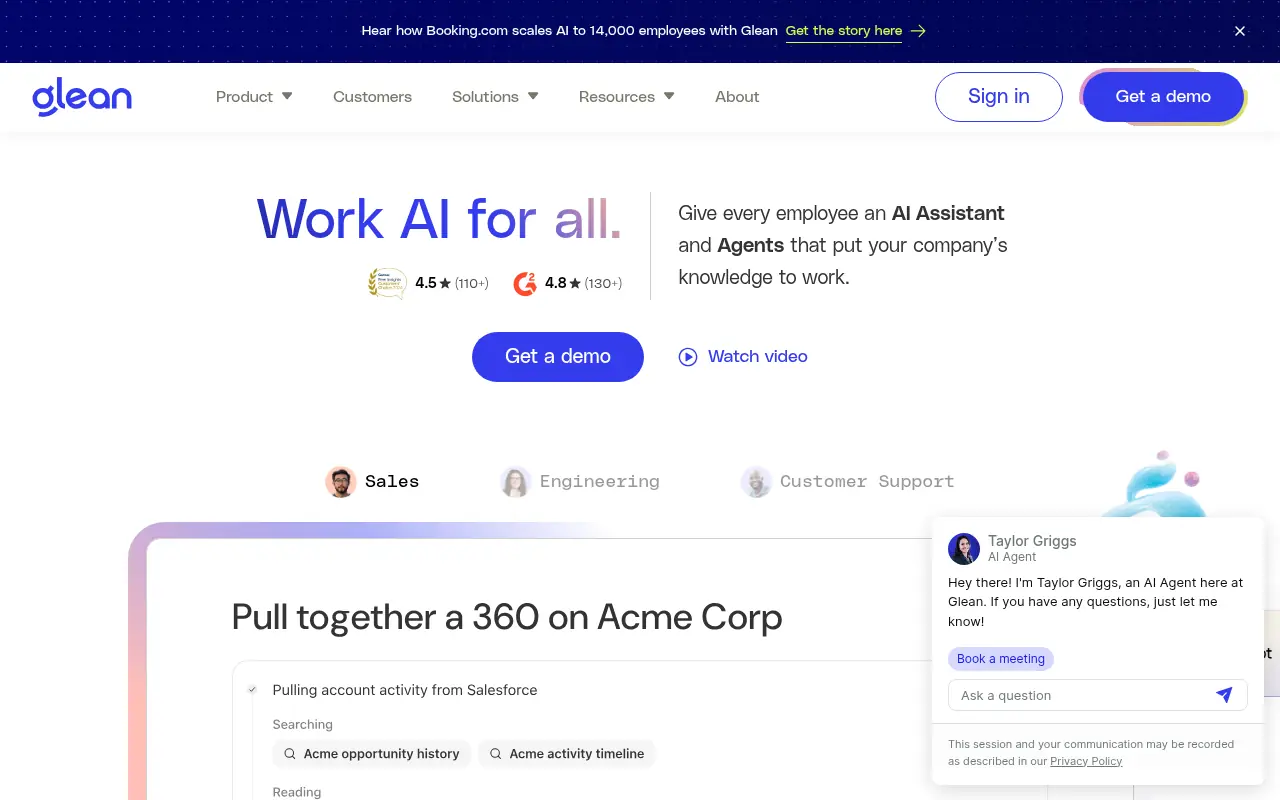
Glean is an AI-powered enterprise search and knowledge discovery platform that enhances workplace productivity.
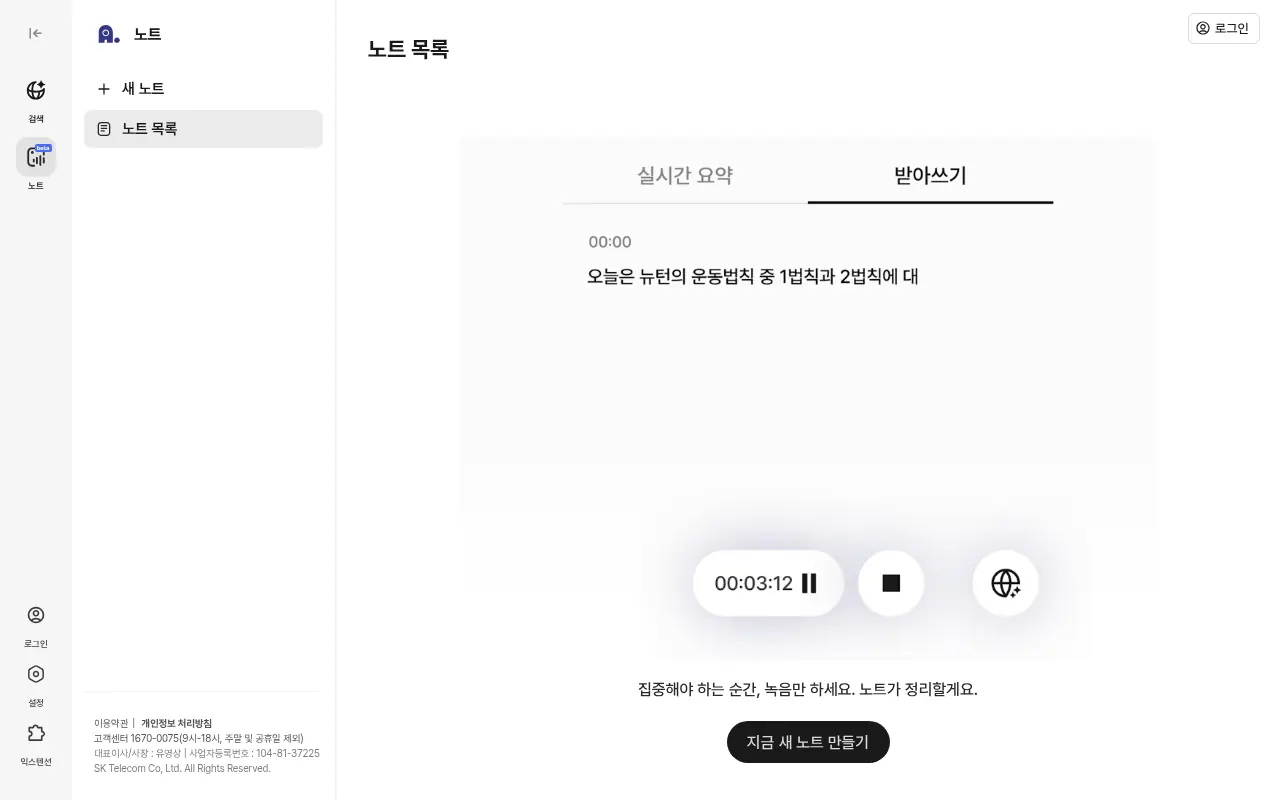

Adot
Adot offers decentralized AI-powered search tools and e-commerce solutions focusing on Web3 discovery and smart automation for enhanced online experiences.


Wikiwand
Wikiwand provides a modern, visually enhanced interface for browsing and reading Wikipedia content more efficiently and enjoyably.
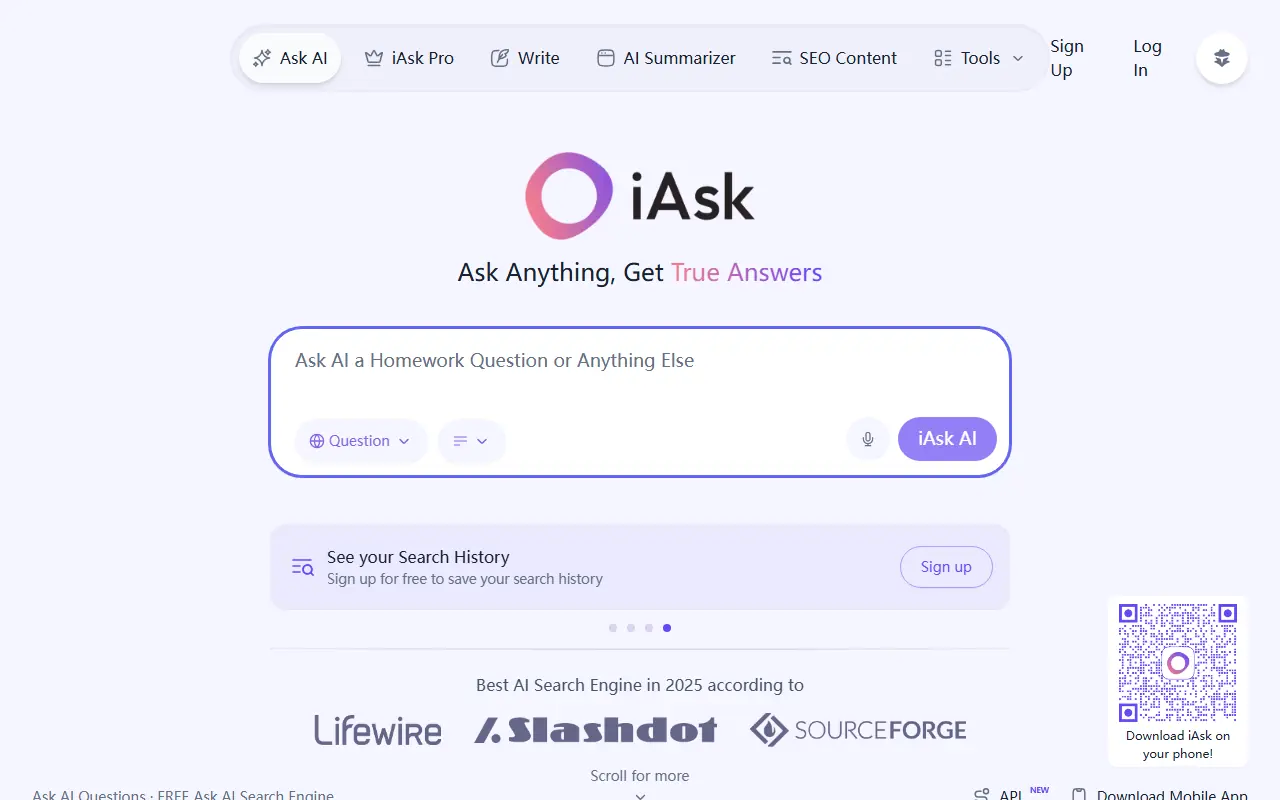

iAsk AI
iAsk AI provides a free AI-powered search engine for answering questions with accurate, sourced responses.
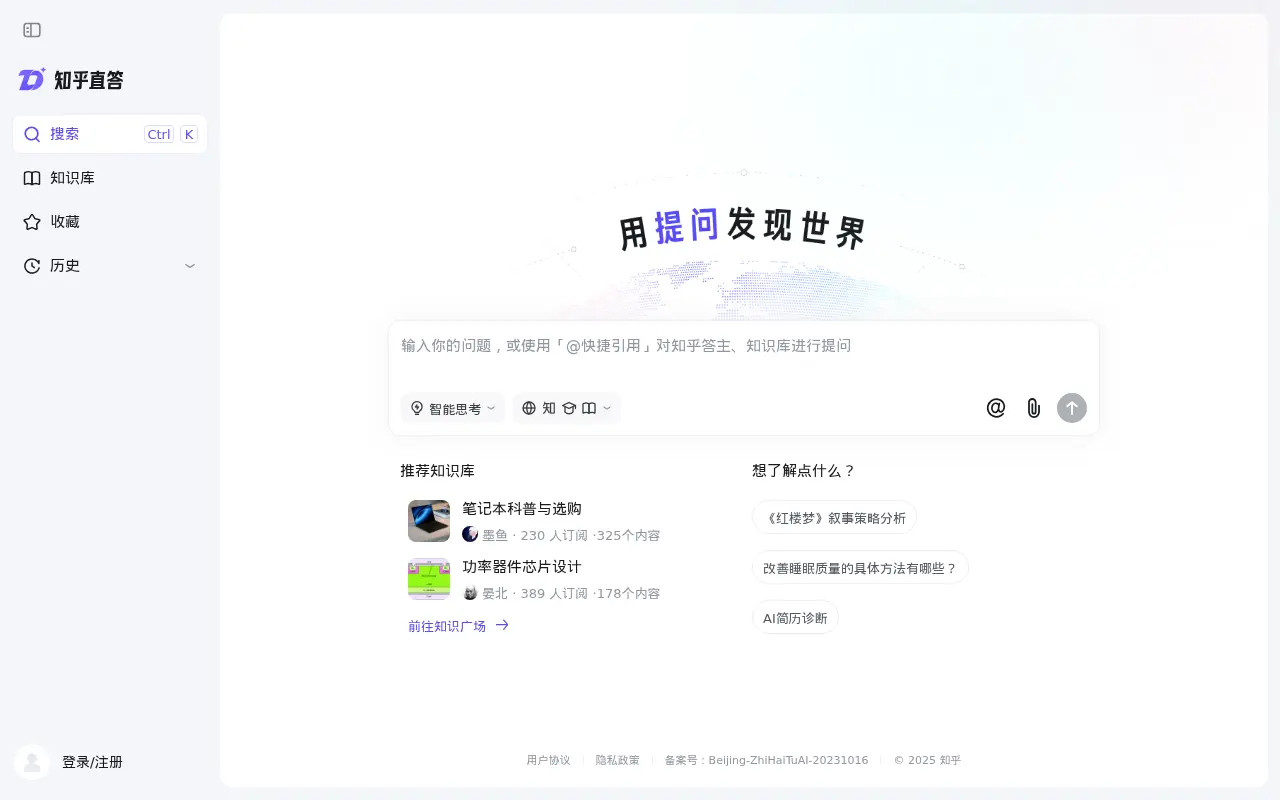

Zhihu Zhida
Zhihu Zhida is an AI-powered search engine and knowledge assistant that leverages Zhihu's extensive community content to provide precise, summarized, and cited answers.
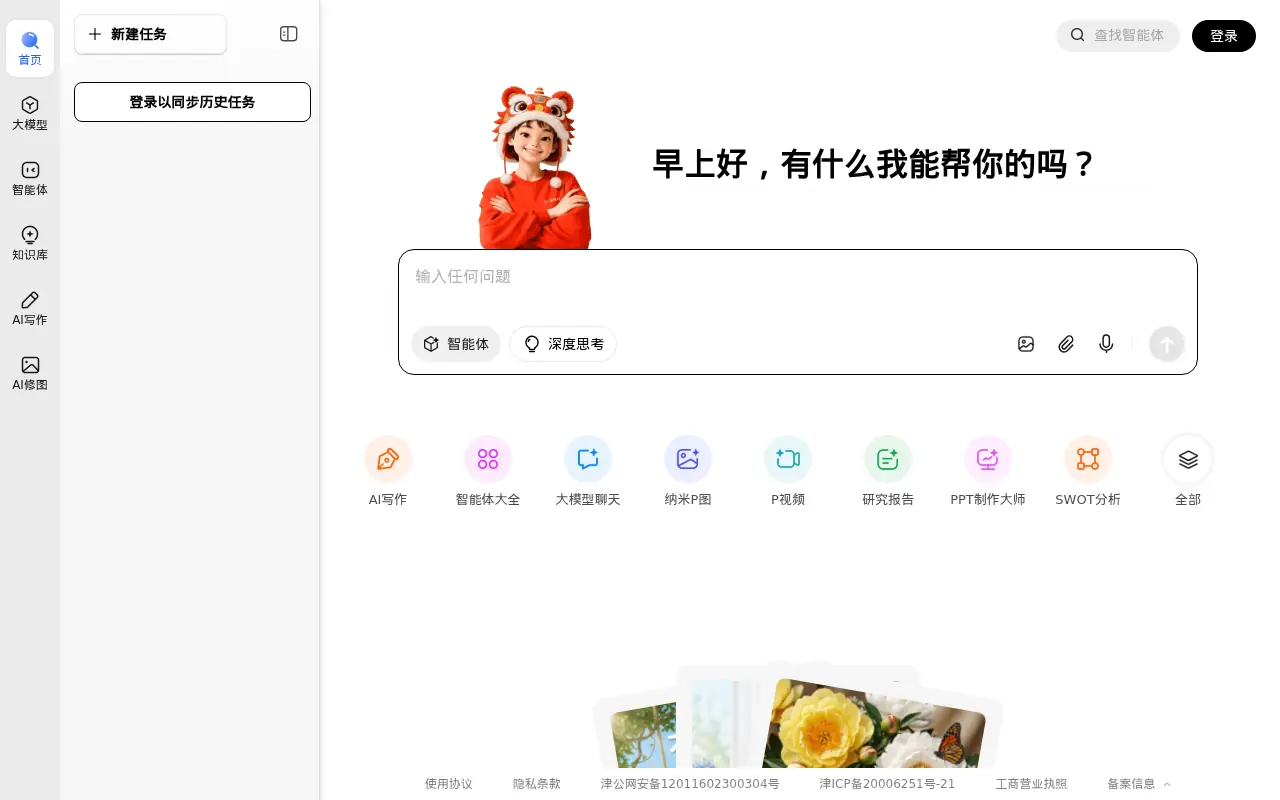

Nano AI (纳米AI)
Nano AI is a comprehensive multi-agent platform developed by 360 Group that offers advanced AI search capabilities and autonomous content creation tools.