

OpenEvidence

What is OpenEvidence?
OpenEvidence is a specialized artificial intelligence platform designed to serve as a clinical decision support tool for healthcare professionals. Its mission is to organize and synthesize the world's medical knowledge, making it instantly accessible to doctors at the point of care. Unlike general-purpose chatbots, it indexes tens of millions of documents from trusted sources like PubMed, the FDA, and major medical journals to provide accurate, hallucinogen-resistant answers. Users receive comprehensive summaries for complex clinical questions, with every claim directly linked to its original source for verification. The platform is widely adopted by U.S. physicians to streamline research and improve patient outcomes.
How to use OpenEvidence?
To use OpenEvidence, verified healthcare professionals must first register an account using their NPI number to ensure authorized access. Once logged in, users can type natural language clinical questions into the search bar, such as queries about treatment guidelines, drug interactions, or differential diagnoses. The AI analyzes trusted medical literature and generates a concise, evidence-based summary with inline citations. Users can then click on these citations to review the underlying abstracts or full-text articles to verify the information before applying it to patient care.
OpenEvidence's Core Features
Provides answers strictly grounded in peer-reviewed medical literature and guidelines.
Includes inline citations for every claim to ensure easy verification.
Accesses a vast library of over 35 million medical papers and journals.
Features 'DeepConsult' mode for analyzing complex patient cases.
Offers free access for verified U.S. healthcare professionals.
Drafts administrative tasks like appeal letters and patient instructions.
Updates continuously with the latest medical research and trials.
Integrates with major journals like NEJM and JAMA for premium content.
Minimizes hallucinations by tethering responses to cited text.
Available on both web and mobile platforms for hospital use.
OpenEvidence's Use Cases
- #1
Answering complex clinical questions at the point of care
- #2
Drafting prior authorization letters for insurance approvals
- #3
Summarizing latest treatment guidelines for specific conditions
- #4
Creating patient education handouts and materials
- #5
Synthesizing medical evidence for complex patient cases
- #6
Verifying drug dosages and potential interactions
- #7
Conducting rapid literature reviews for research or CME
- #8
Drafting clinical notes and administrative documentation
Frequently Asked Questions
Analytics of OpenEvidence
Monthly Visits Trend: Jun 2025 - Aug 2026
Traffic Sources
AI Channel Traffic Trends
Top Regions
| Region | Traffic Share |
|---|---|
| United States | 77.69% |
| Canada | 6.77% |
| Brazil | 2.90% |
| Mexico | 2.14% |
| Colombia | 1.55% |
Top Keywords
| Keyword | Traffic | CPC |
|---|---|---|
| open evidence | 523.6K | $1.39 |
| openevidence | 253.9K | $1.41 |
| open evidence ai | 8.2K | $2.25 |
| open evidence login | 8.3K | $0.78 |
| openevidence ai | 4.3K | $2.25 |
Alternative of OpenEvidence
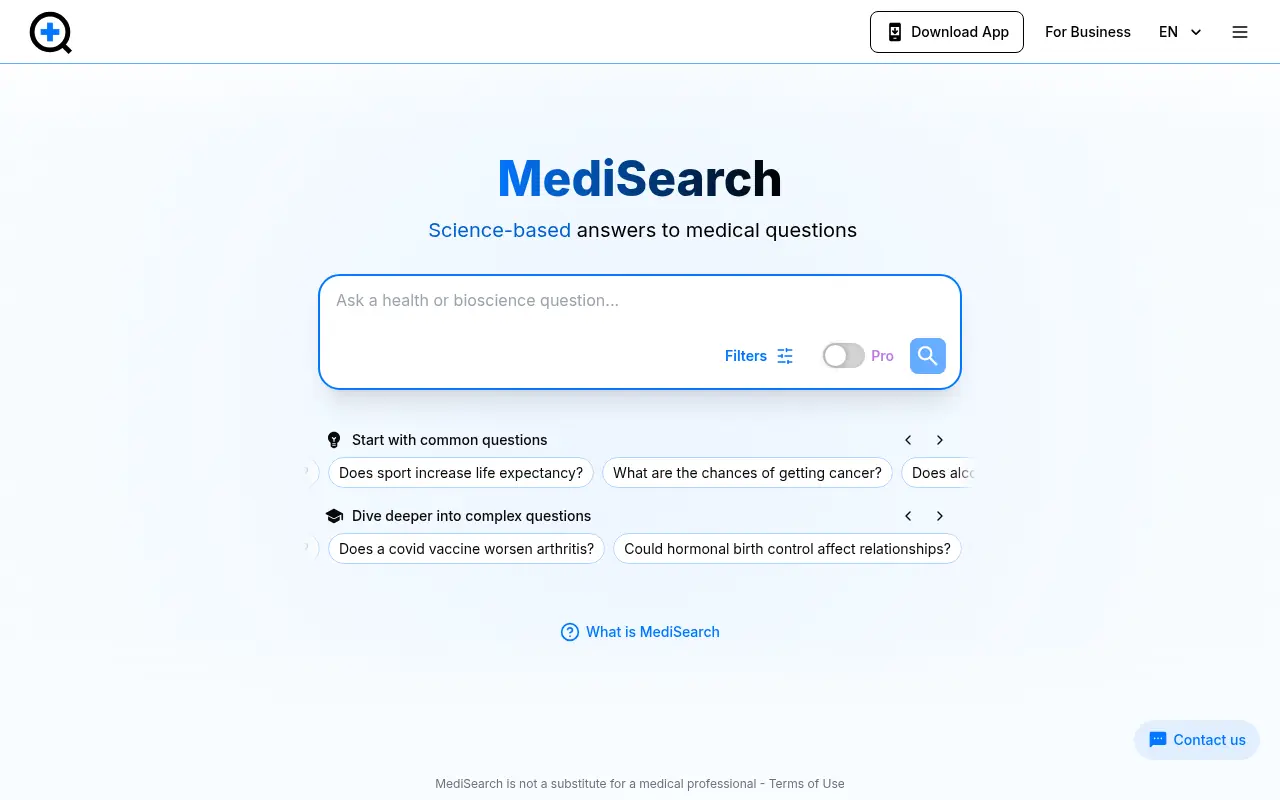

MediSearch
MediSearch is an AI-powered search engine that delivers trustworthy, science-based answers to medical and health-related questions.
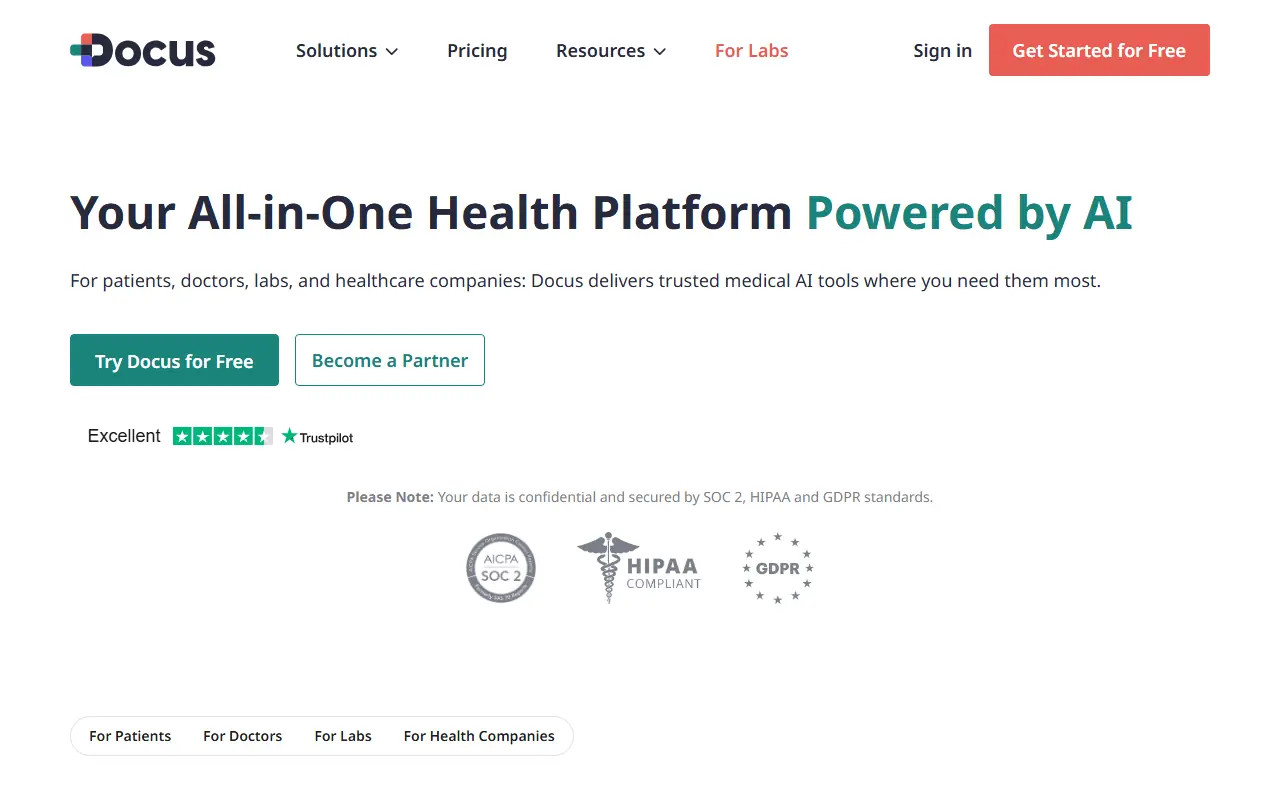

Docus
Docus is an AI-powered health platform providing personalized health insights and expert medical second opinions.
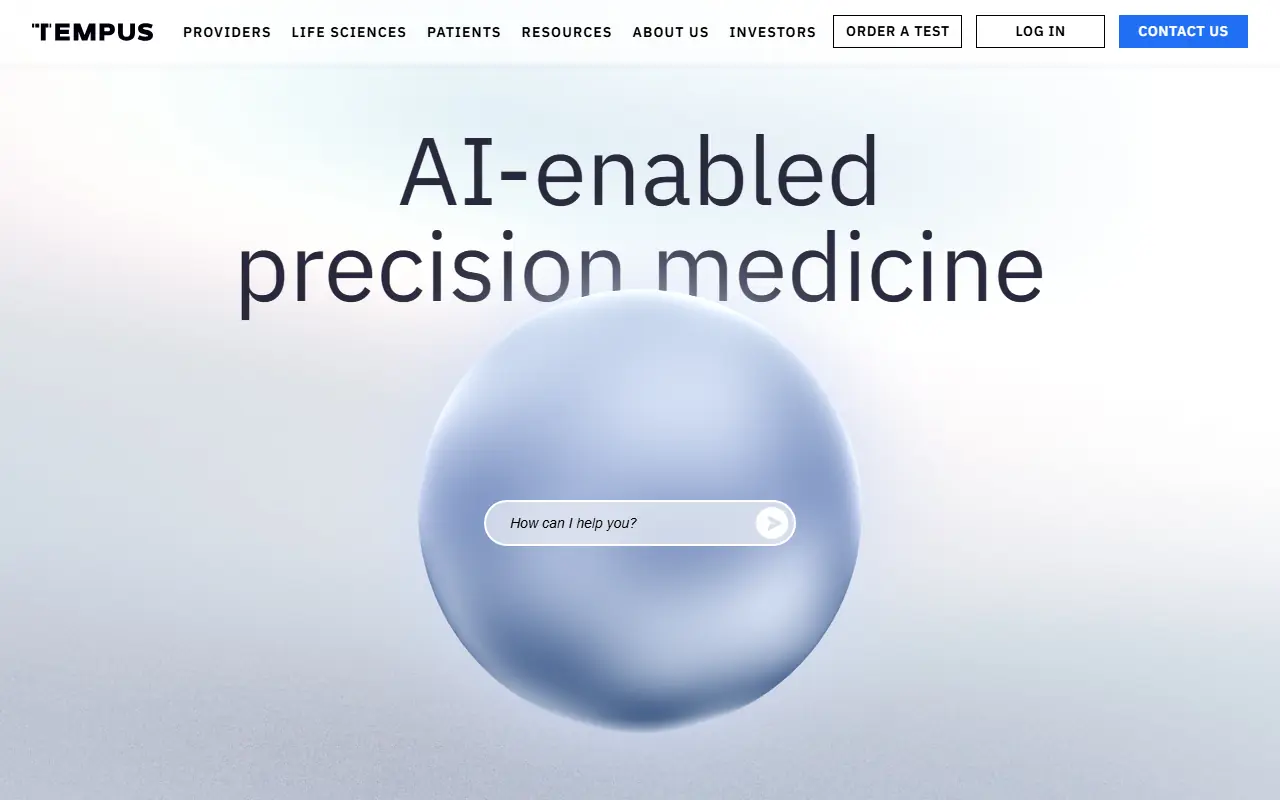

Tempus
Tempus leverages artificial intelligence and data analytics to deliver precision medicine solutions, including diagnostics, predictive tools, and clinical decision support for healthcare providers.


PatientNotes
PatientNotes is an AI-powered clinical documentation platform that helps healthcare professionals generate, manage, and streamline medical notes, summaries, and letters efficiently and securely.


Heidi Health
A specialized AI medical scribe and care partner that automates clinical documentation and administrative tasks for healthcare professionals.
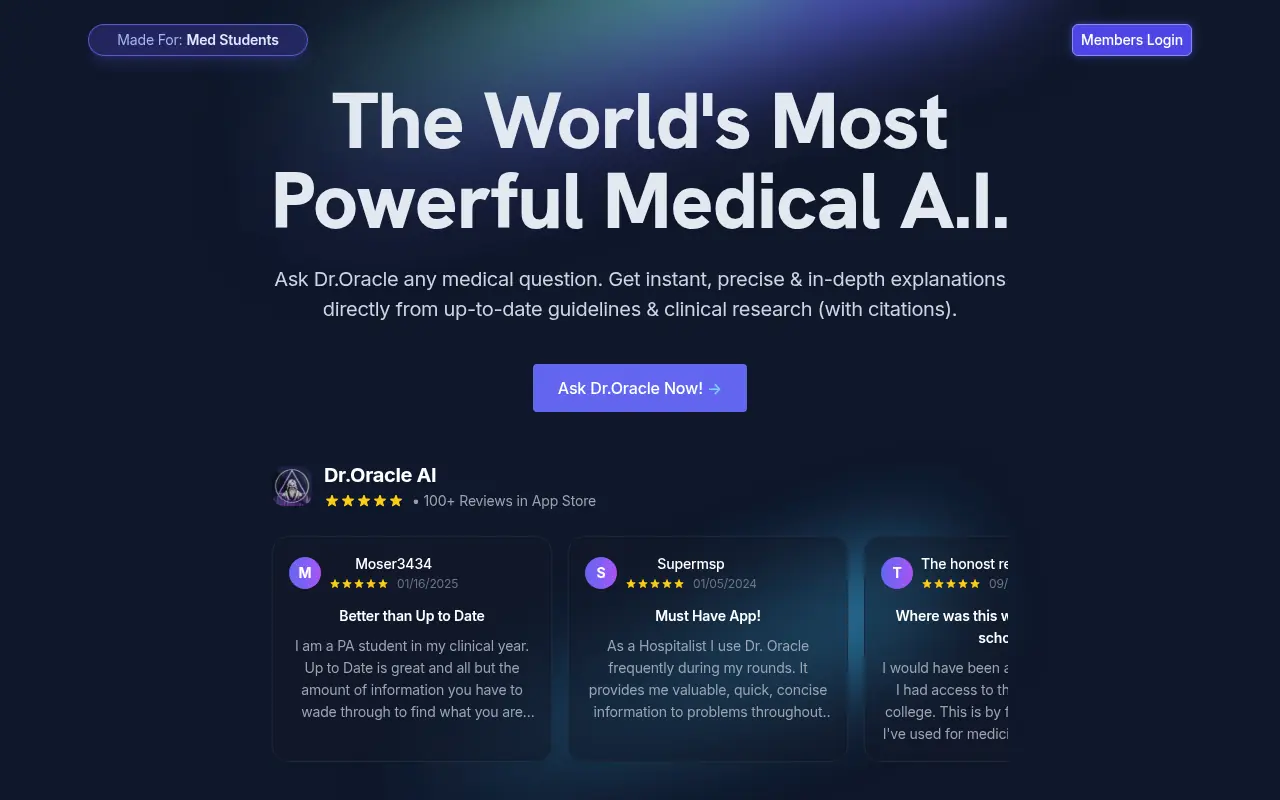

Dr.Oracle
Dr.Oracle is an AI-powered medical research platform providing evidence-based answers and guideline-directed medical insights.

Eka Care
Eka Care is an AI-native healthcare platform offering EMR, EHR, personal health records, and clinical tools to digitize practices and manage patient health in India.

Freed
Freed is an AI-powered medical scribe that automates clinical documentation to save clinicians time.