

Open Knowledge Maps
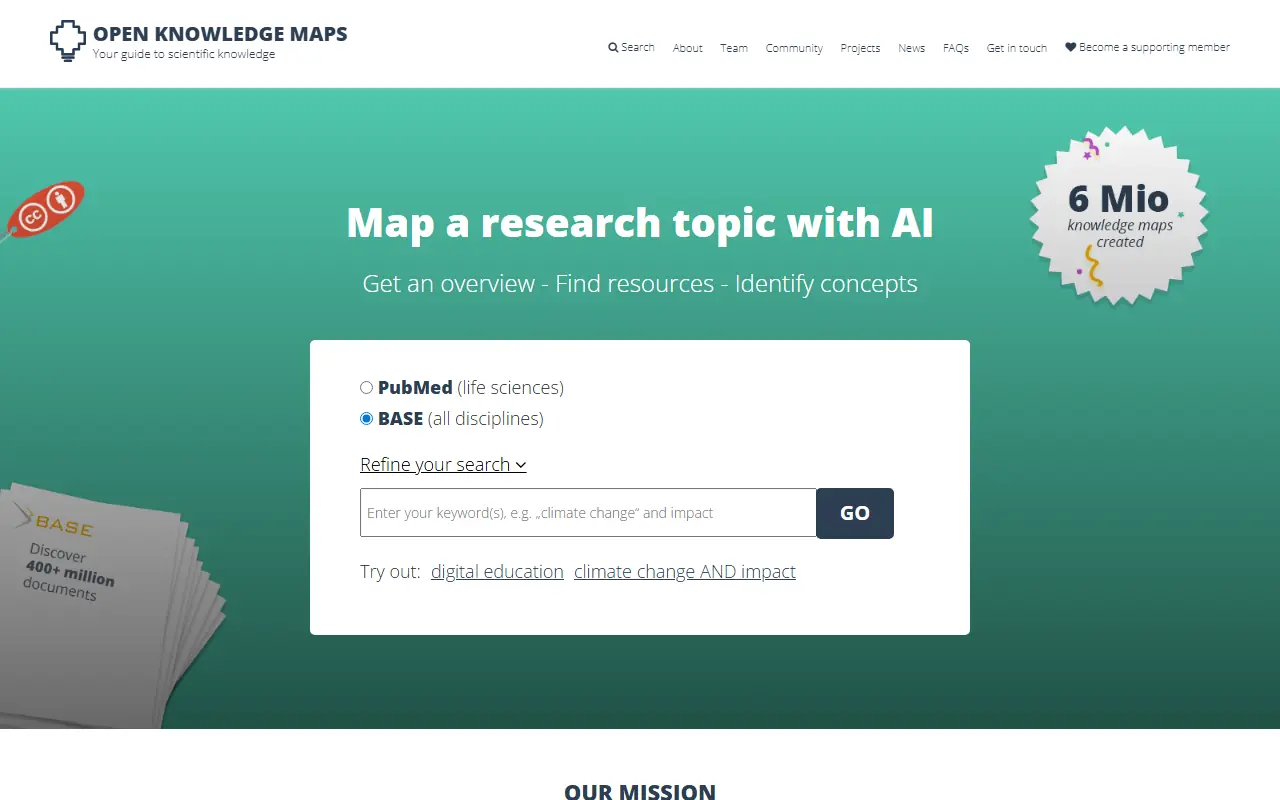
What is Open Knowledge Maps?
Open Knowledge Maps is an AI-driven, open-source discovery tool that transforms traditional list-based search results into interactive visual overviews. By clustering the top 100 most relevant academic papers, datasets, or preprints into distinct "bubbles," it reveals sub-topics and conceptual relationships within a research area at a glance. The platform connects with major academic databases like BASE, PubMed, and OpenAIRE, providing access to hundreds of millions of scholarly outputs. Run by a charitable non-profit organization in Austria, its mission is to increase the visibility of scientific knowledge for researchers, students, and society alike through free, open-science principles.
How to use Open Knowledge Maps?
To use Open Knowledge Maps, simply enter a specific research topic or query into the search bar on the homepage and select a preferred academic database, such as BASE or PubMed. The system will process your query in real-time, fetching the 100 most relevant resources and utilizing natural language processing to cluster them based on metadata similarity. Within 30 seconds, it generates an interactive map of thematic "bubbles" containing related papers, which you can click to explore summaries, access open-access documents, and identify gaps or unexpected connections in the literature.
Open Knowledge Maps's Core Features
Generates visual knowledge maps that cluster resources into thematic bubbles instead of linear lists.
Searches across 400+ million scientific outputs from databases like BASE, PubMed, and OpenAIRE.
Highlights open-access content to make freely available research readily identifiable.
Uses natural language processing (NLP) to calculate metadata similarity for document clustering.
Supports over 25 research output types, including journal articles, books, datasets, and software.
Provides custom integration services for institutional library catalogues and discovery platforms.
Operates entirely free and open-source under a charitable, open-science mission.
Open Knowledge Maps's Use Cases
- #1
Gaining a rapid, visual overview of an unfamiliar research topic.
- #2
Identifying core concepts and sub-topics within a specific academic field.
- #3
Discovering open-access papers, datasets, and preprints across various disciplines.
- #4
Spotting research gaps by visually mapping the existing literature.
- #5
Finding unexpected thematic connections between different areas of scientific study.
- #6
Assisting students and educators in conducting initial literature reviews.
Frequently Asked Questions
Analytics of Open Knowledge Maps
Monthly Visits Trend: Apr 2025 - Aug 2026
Traffic Sources
AI Channel Traffic Trends
Top Regions
| Region | Traffic Share |
|---|---|
| Indonesia | 46.83% |
| United States | 7.31% |
| Brazil | 4.13% |
| Germany | 3.97% |
| India | 3.88% |
Top Keywords
| Keyword | Traffic | CPC |
|---|---|---|
| open knowledge maps | 3.3K | $0.29 |
| knowledge maps | 480 | -- |
| knowledge map | 690 | -- |
| knowledge | 106.8K | $0.90 |
| openknowledge | 1.3K | $1.12 |
Alternative of Open Knowledge Maps
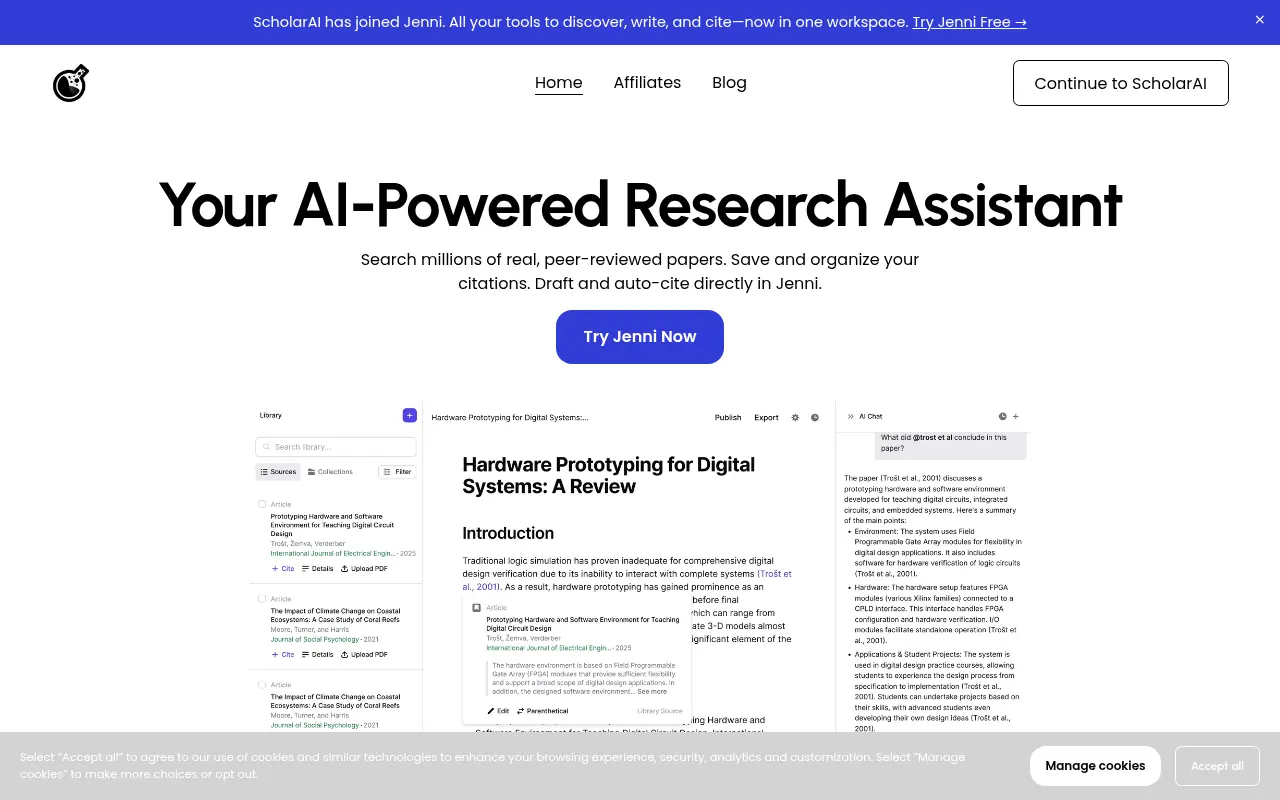

ScholarAI
An AI-powered research assistant that helps students, academics, and professionals search, analyze, and manage peer-reviewed scientific literature efficiently.

Paper Digest
An AI-powered academic research platform that tracks, summarizes, and reviews research papers to help researchers conduct literature reviews and stay updated.
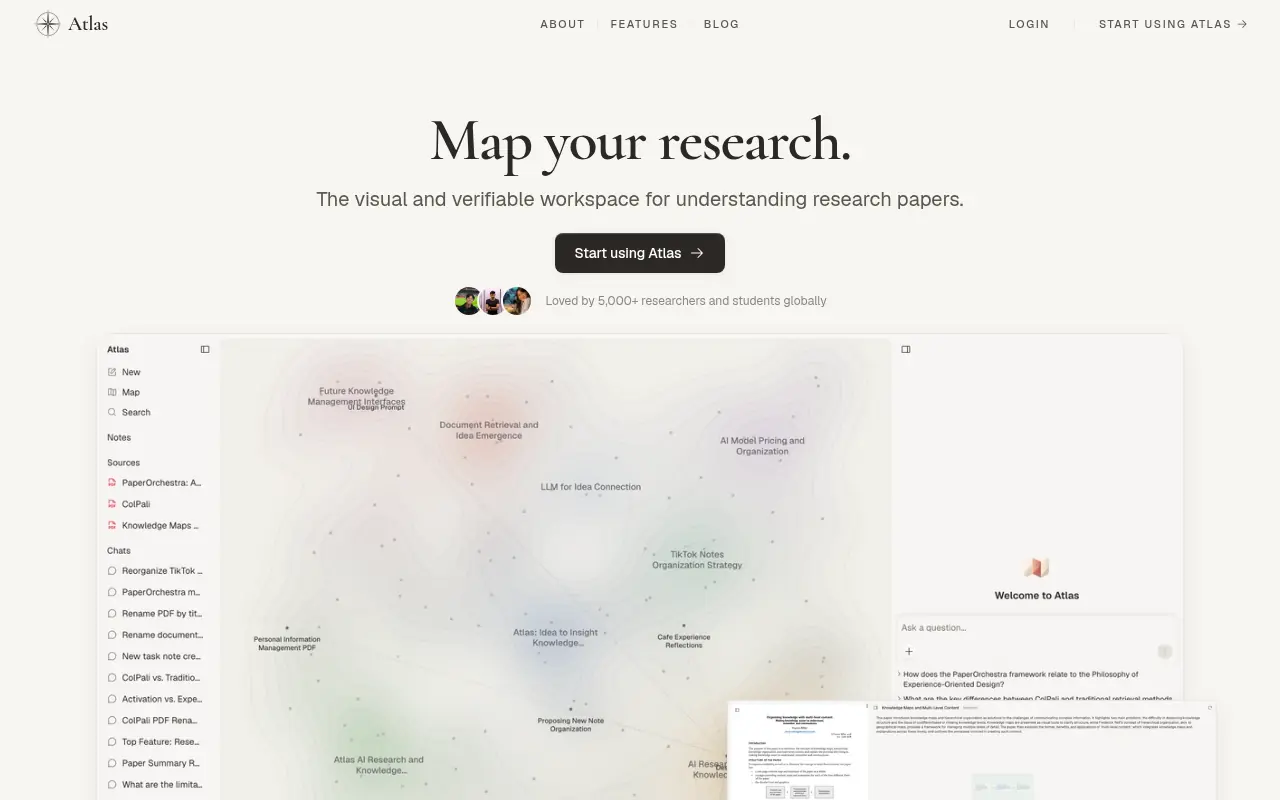

Atlas Workspace
Atlas Workspace is a visual and verifiable AI-powered platform designed to help researchers and students efficiently map, deconstruct, and understand complex research papers.
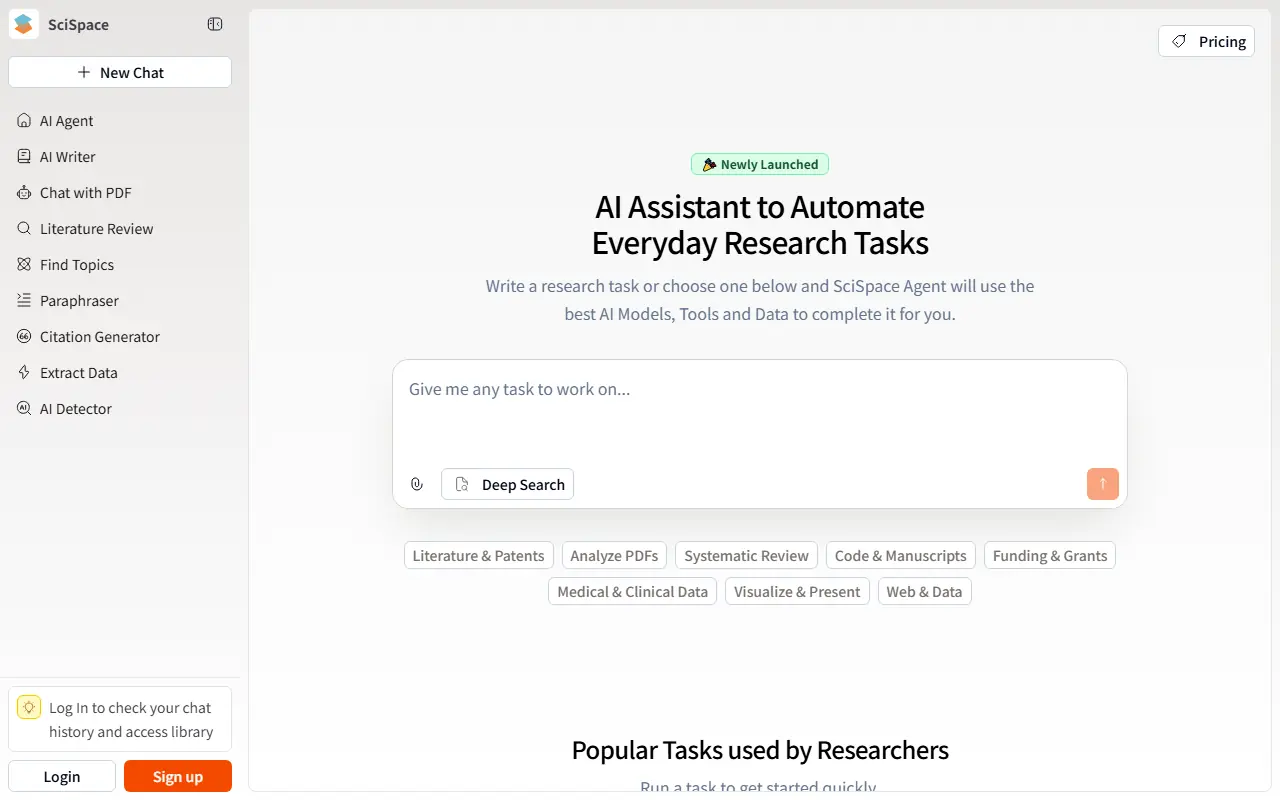

SciSpace
SciSpace is an AI-powered platform that streamlines academic research by helping users discover, analyze, and create research papers efficiently.
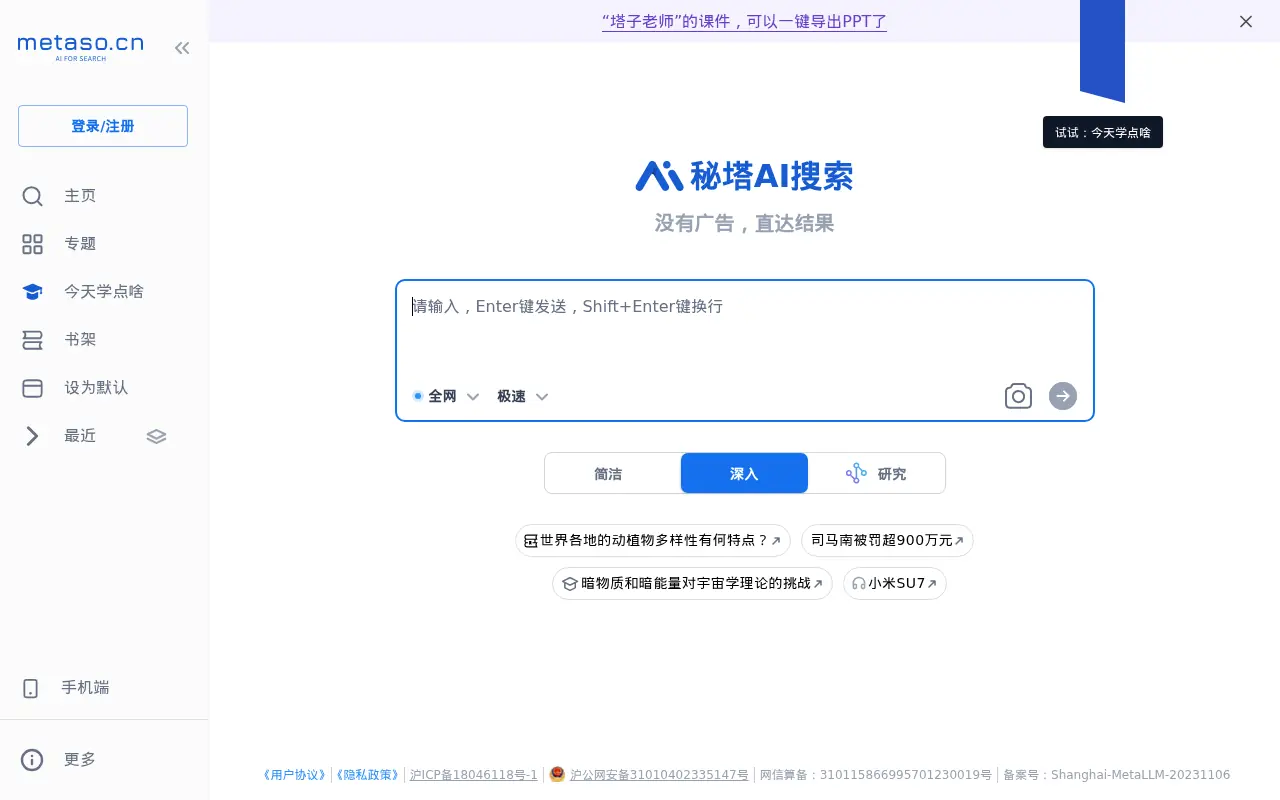

Metaso
Metaso.cn is a multilingual AI-powered search engine focused on AI and cosmology research.

Prolific
Prolific connects researchers with participants for high-quality online research and data collection.
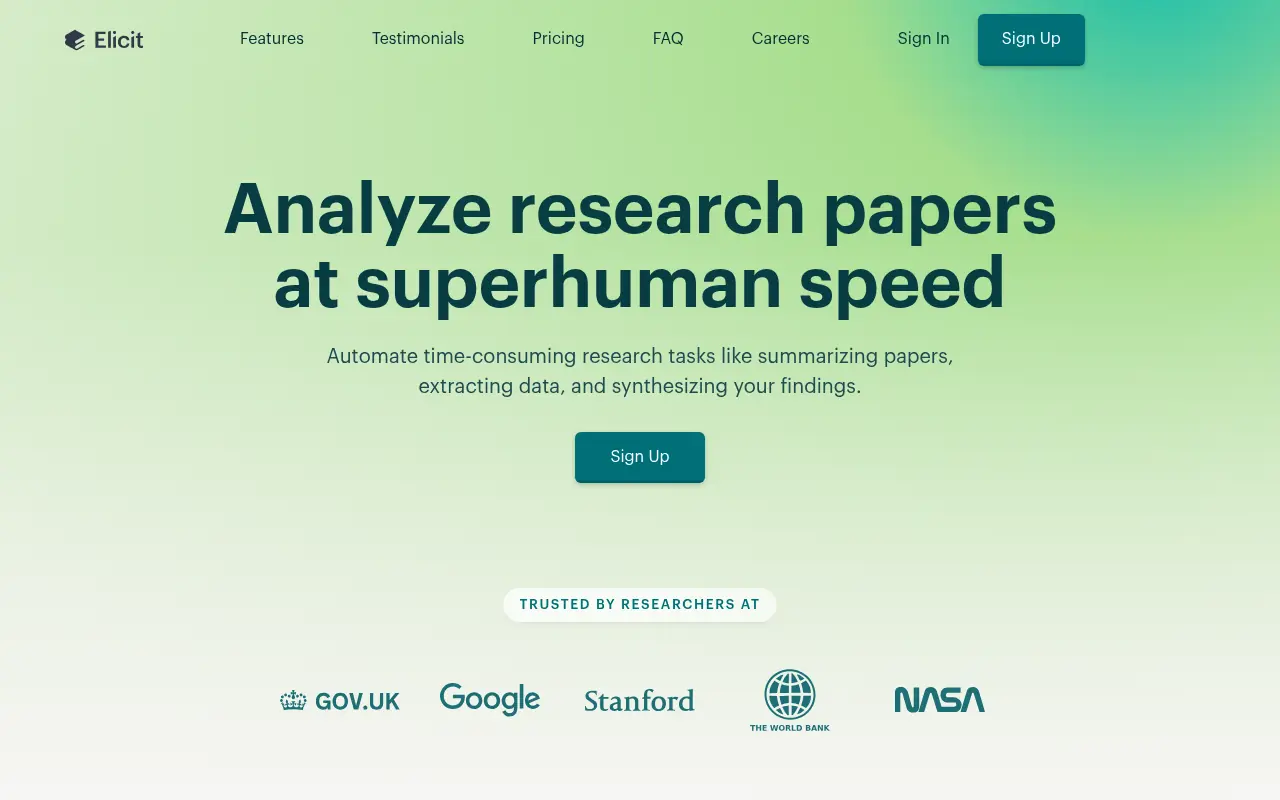

Elicit
Elicit is an AI-powered research tool designed to streamline literature reviews and data analysis for academic and professional researchers.
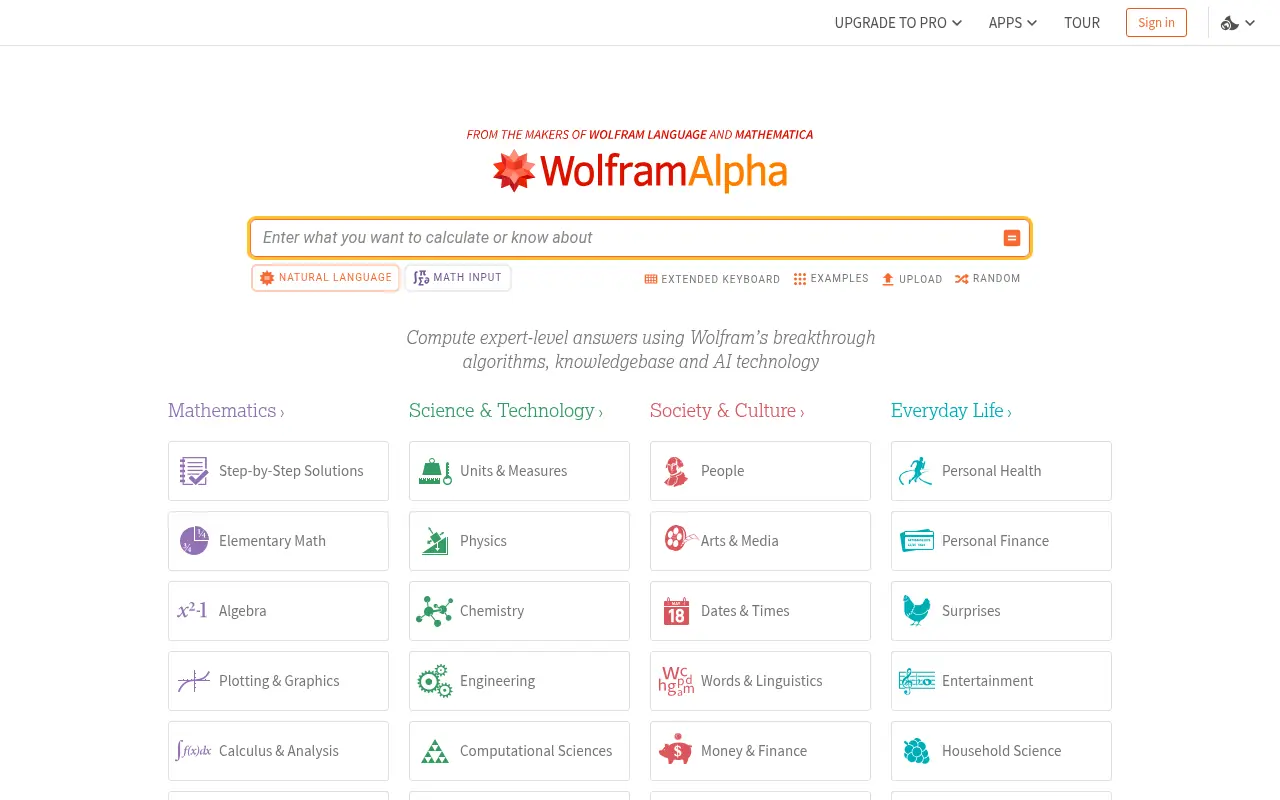

Wolfram|Alpha
Wolfram|Alpha is a computational knowledge engine that provides expert-level answers across various domains using curated data and advanced algorithms.