

Databricks
What is Databricks?
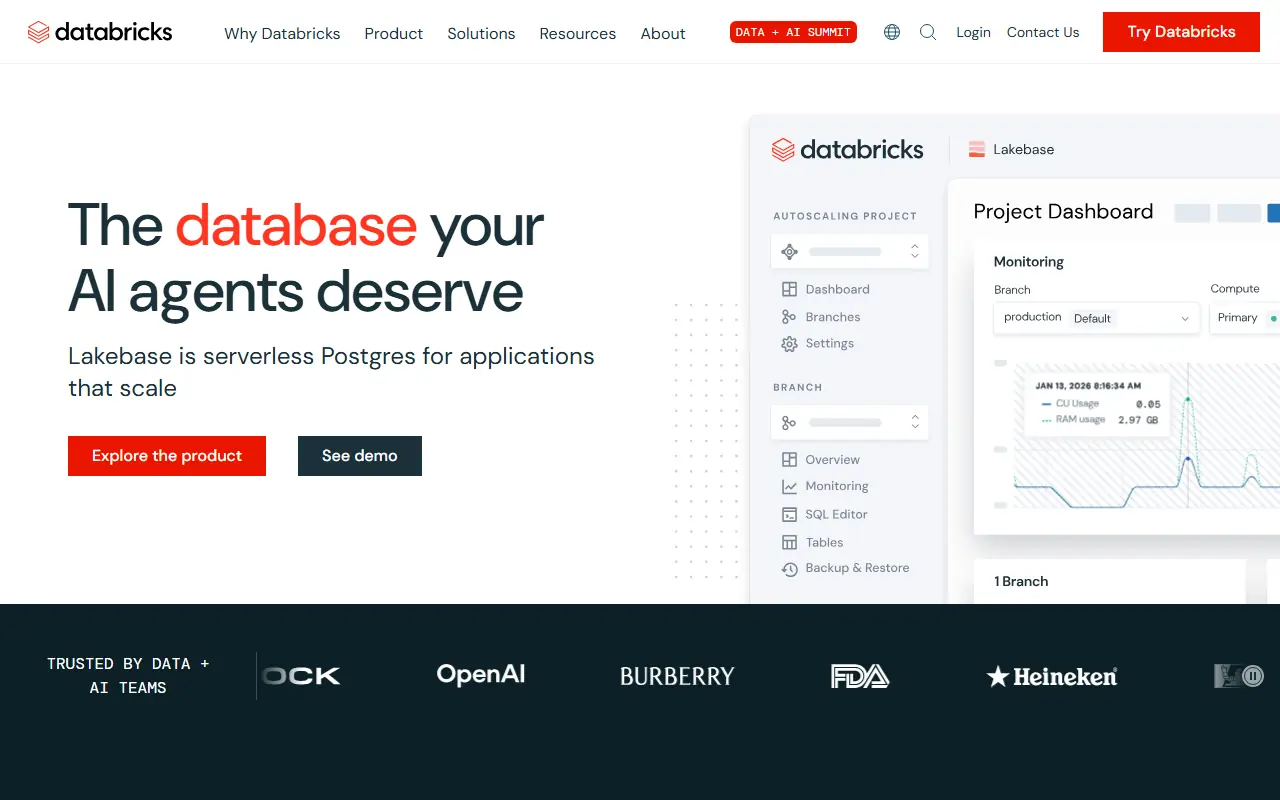
Databricks is a cloud-based platform that unifies data engineering, data science, and data analytics into a single collaborative workspace. Founded by the original creators of Apache Spark, it pioneers the 'lakehouse' architecture, which merges the reliability and performance of data warehouses with the flexibility of data lakes. The platform provides a secure environment for organizations to store massive datasets, train machine learning models, and deploy generative AI applications. By breaking down silos between data teams, Databricks empowers enterprises to derive actionable insights and build AI-driven solutions more efficiently.
How to use Databricks?
To use Databricks, start by deploying a workspace within your preferred cloud provider environment (AWS, Azure, or Google Cloud). Once provisioned, you can create compute clusters, connect to your organization's data sources, and launch interactive notebooks to write code in Python, SQL, R, or Scala. Data engineers can build automated ETL pipelines, while data scientists can collaboratively train machine learning models, all managed under the robust governance of the Unity Catalog.
Databricks's Core Features
Collaborative notebooks that support Python, SQL, Scala, and R in a single interface.
Fully managed, auto-scaling Apache Spark clusters for high-performance computing.
Delta Lake integration providing ACID transactions and reliability to enterprise data lakes.
MLflow integration for comprehensive machine learning lifecycle management.
Databricks SQL for running analytics and BI queries with low latency and high concurrency.
Unity Catalog for unified data governance, security, and auditing across workloads.
MosaicML integration for training and deploying custom generative AI models securely.
Serverless compute options to eliminate infrastructure management overhead.
Databricks's Use Cases
- #1
Building scalable data engineering and ETL pipelines.
- #2
Training and deploying machine learning models.
- #3
Processing real-time streaming data.
- #4
Developing and fine-tuning Large Language Models (LLMs) and Generative AI.
- #5
Running highly concurrent SQL queries for business intelligence reporting.
- #6
Unifying data governance across multi-cloud enterprise environments.
Frequently Asked Questions
Analytics of Databricks
Monthly Visits Trend: Apr 2025 - Sep 2026
Traffic Sources
AI Channel Traffic Trends
Top Regions
| Region | Traffic Share |
|---|---|
| United States | 36.93% |
| India | 22.44% |
| United Kingdom | 5.79% |
| Canada | 3.09% |
| Germany | 2.77% |
Top Keywords
| Keyword | Traffic | CPC |
|---|---|---|
| databricks | 351.9K | $3.36 |
| databricks careers | 35.7K | $2.42 |
| databricks free edition | 14.7K | $2.06 |
| data bricks | 22.0K | $3.67 |
| databricks certifications | 10.5K | $3.33 |
Alternative of Databricks


Astra AI
Astra AI is a cutting-edge platform that harnesses artificial intelligence to provide advanced data analysis and business intelligence solutions.

KNIME
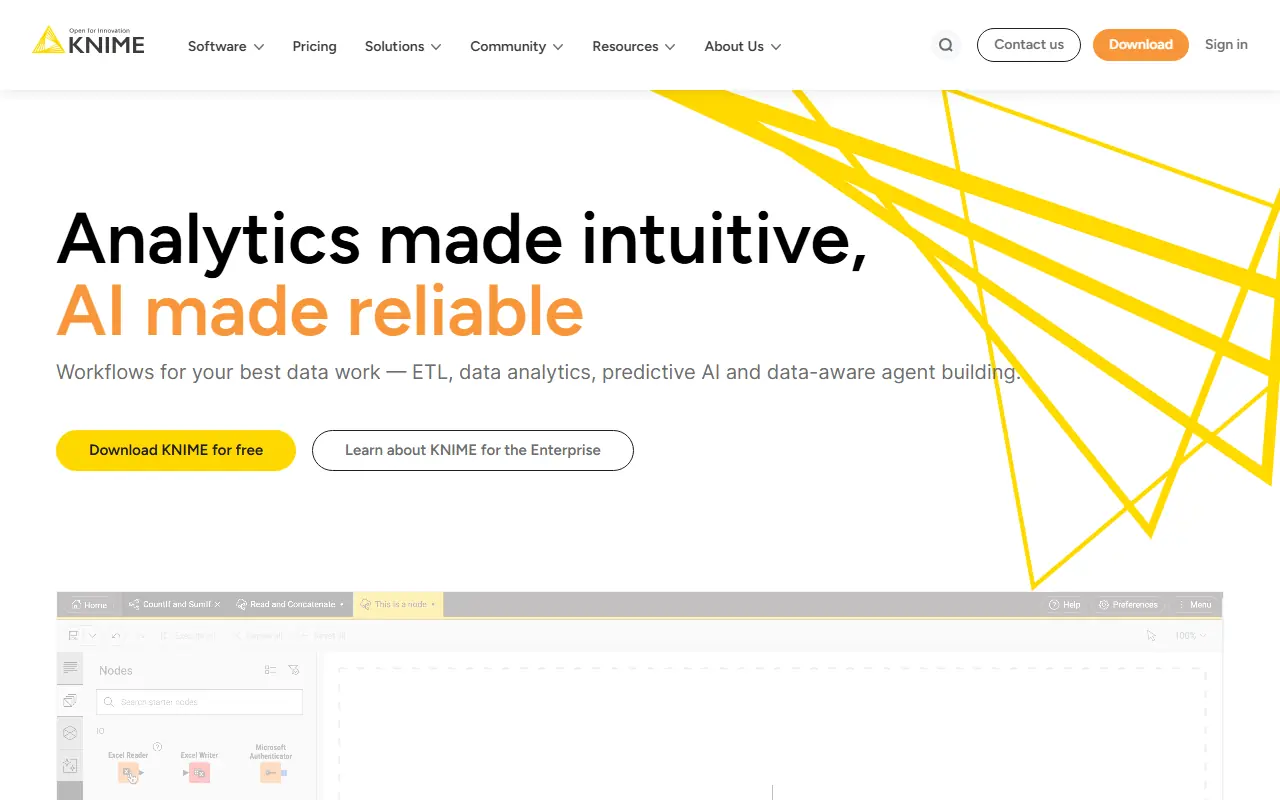
KNIME is an open-source data analytics platform that enables users to build and deploy data science workflows visually without extensive coding.

Kaggle
Kaggle is a global platform for data science and machine learning, offering competitions, datasets, and collaborative tools for professionals and learners.

ClickHouse
ClickHouse is a lightning-fast, open-source, column-oriented database management system built for real-time online analytical processing (OLAP).
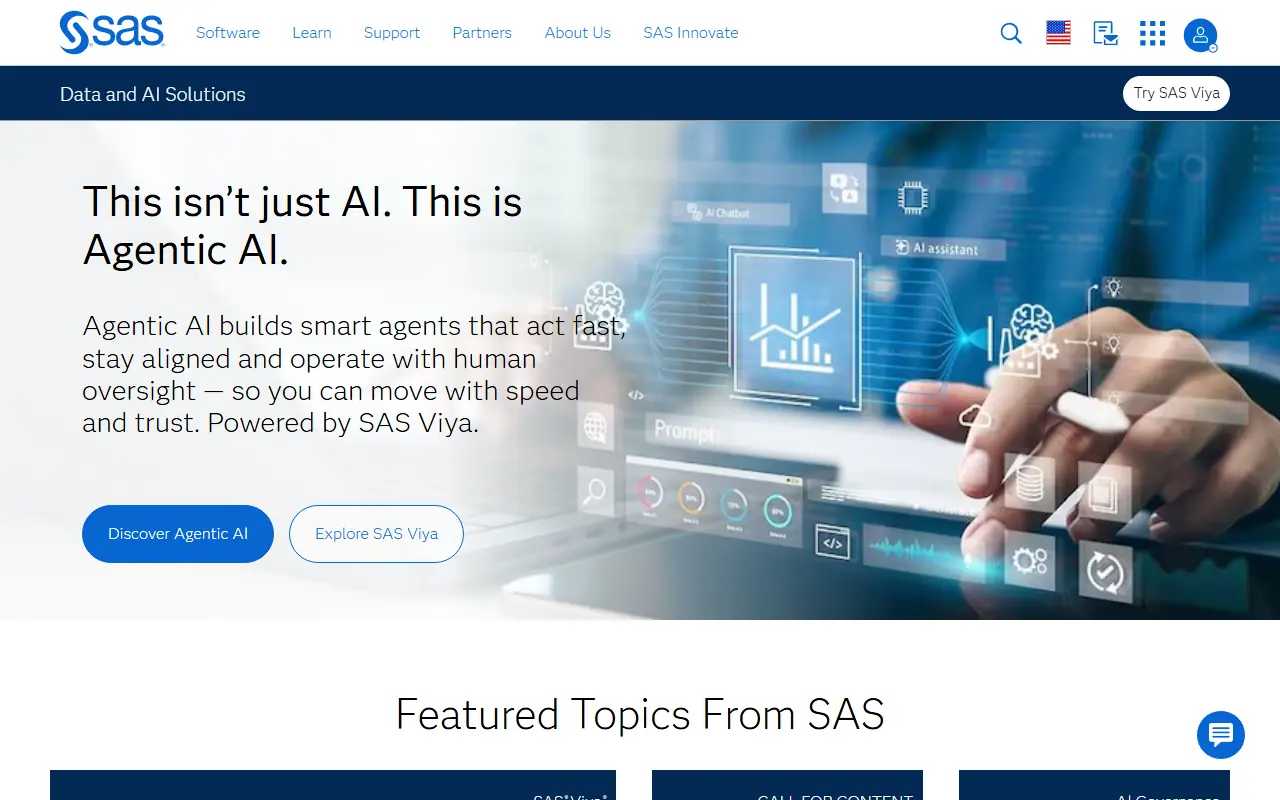

SAS
SAS is a leading provider of analytics, artificial intelligence, and data management software and services that help organizations turn data into actionable insights.
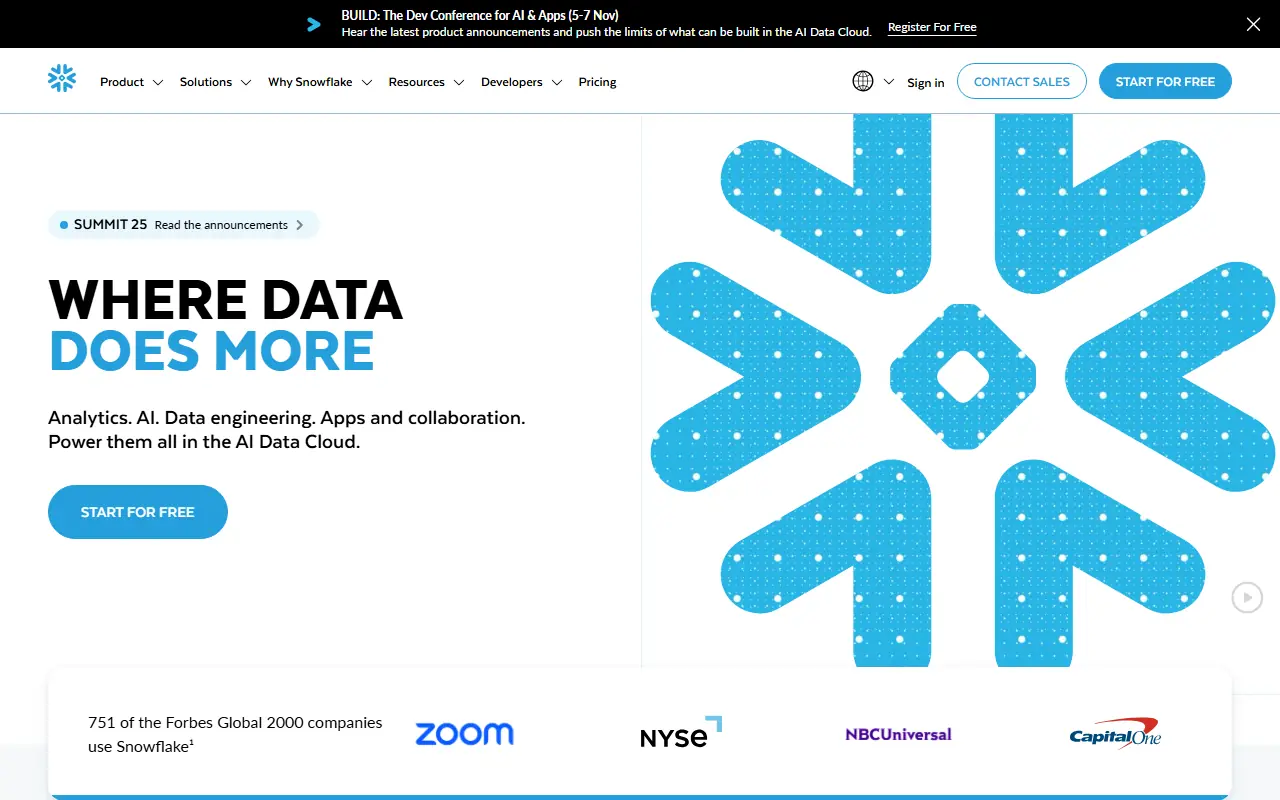

Snowflake
Snowflake is a cloud-based data platform that enables scalable data storage, analytics, and AI-driven insights for enterprises.
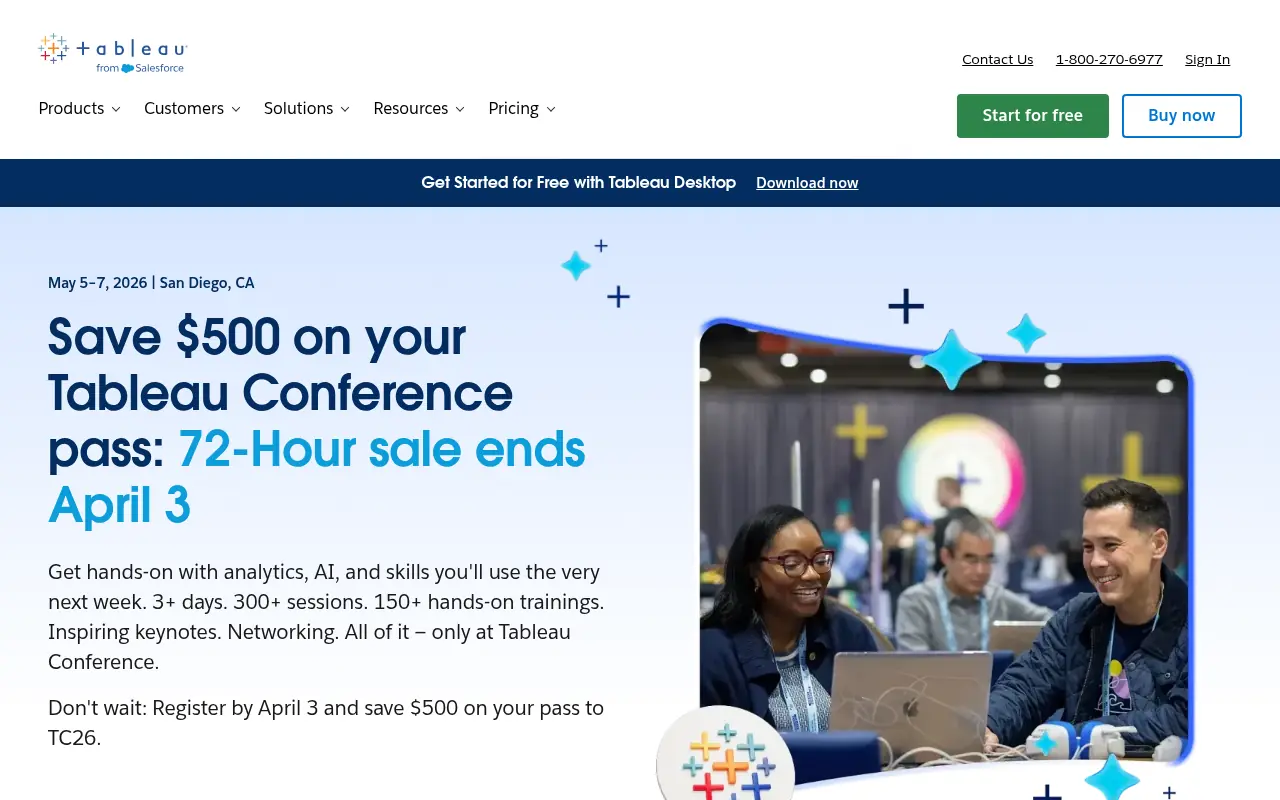

Tableau
Tableau is a powerful visual analytics platform that empowers individuals and organizations to explore, analyze, and securely share actionable data insights.
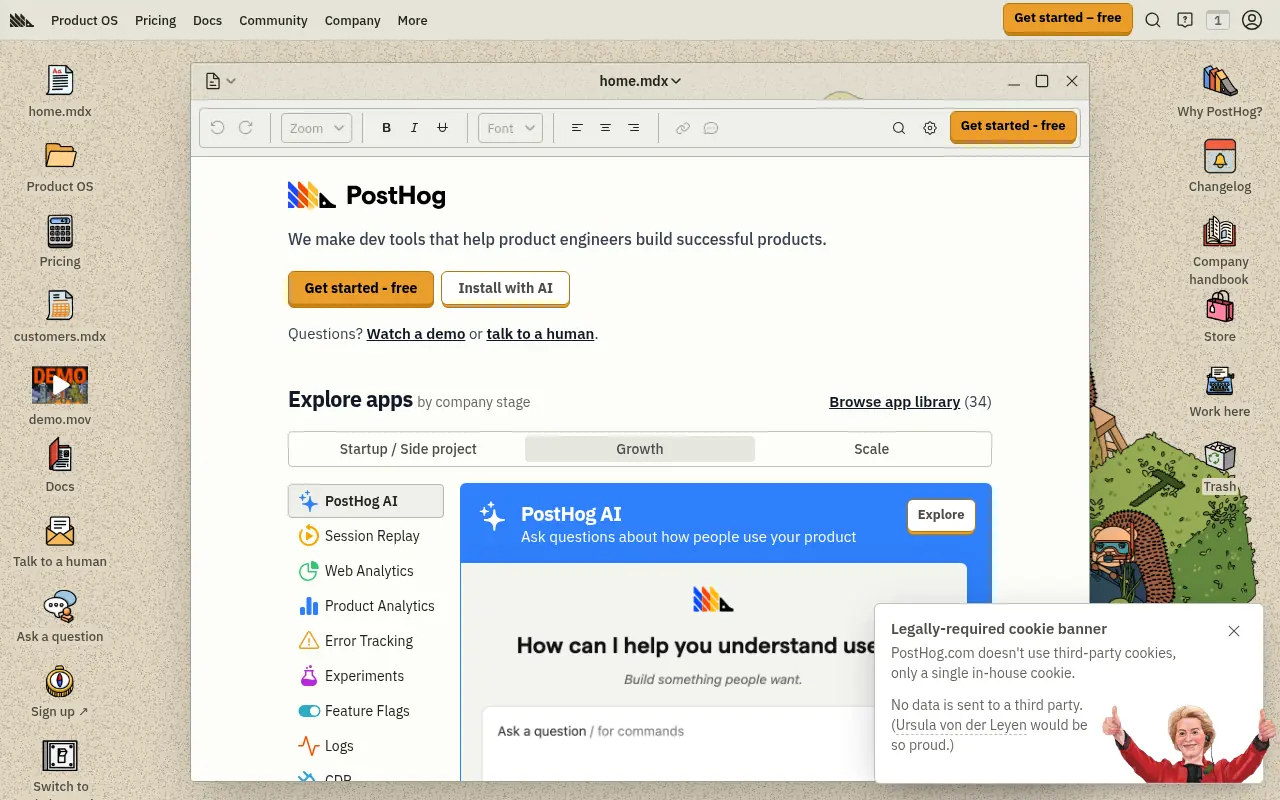

PostHog
PostHog is an all-in-one, open-source product analytics platform that helps engineers and product teams understand user behavior, test features, and build better products.