

MLflow
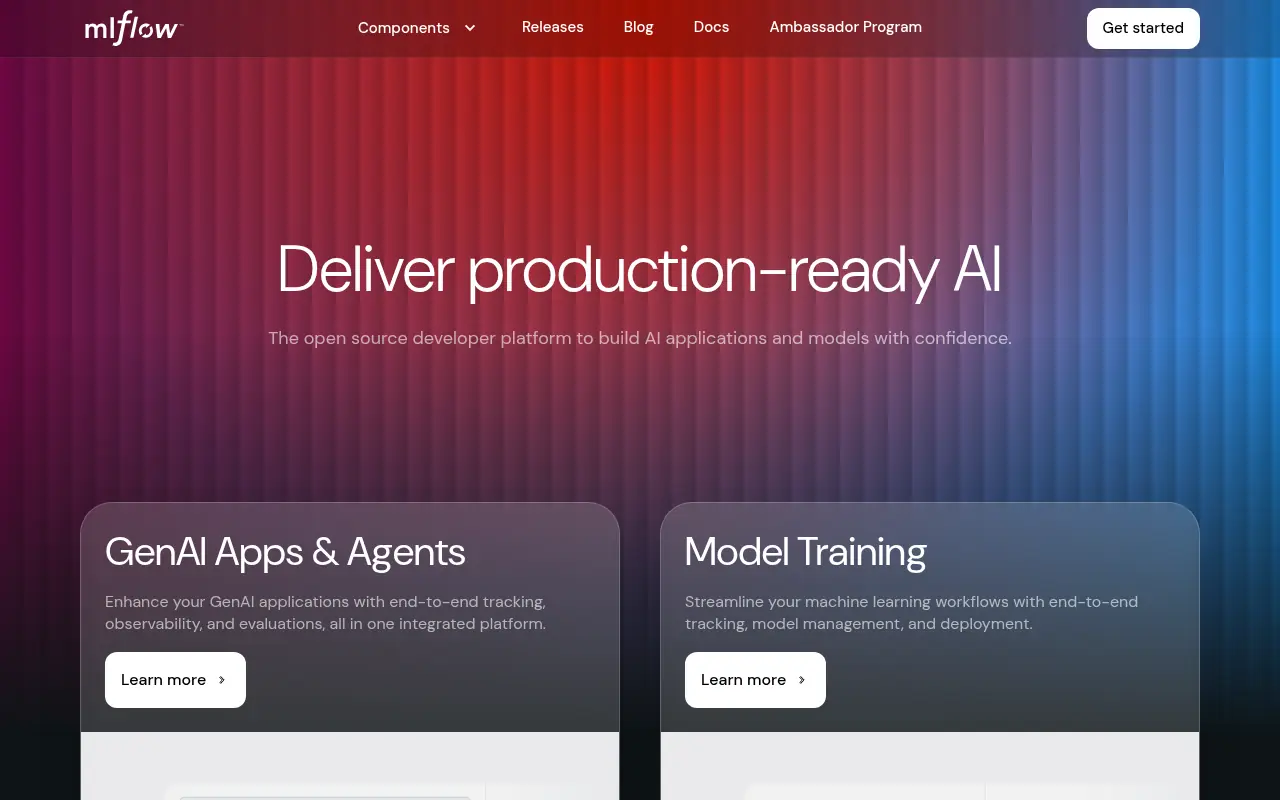
What is MLflow?
MLflow is an open-source platform developed by Databricks that provides a unified suite of tools designed to streamline machine learning workflows and address common challenges in model development. It serves as a centralized hub for ML practitioners—from individual researchers to large teams—to manage experiments, track parameters and metrics, version models, and deploy them to production. MLflow tackles the complexities of ML development by automating logging, organization, and lineage tracking, which are often cumbersome and scattered across different environments. The platform enables innovation by providing transparency and reproducibility throughout the entire ML lifecycle, ensuring that projects are robust and ready for real-world deployment. Whether working in notebooks, scripts, or cloud environments, MLflow consolidates model development processes into an organized, collaborative, and efficient workflow.
How to use MLflow?
Begin by installing MLflow and initializing tracking in your ML project using the Tracking API to log parameters, metrics, and artifacts as you run experiments. Use the MLflow UI to visualize and compare experiment runs, identifying the best-performing models. Once you've selected a candidate model, register it in the Model Registry for version control and lifecycle management. Package your ML code as an MLflow Project using a YAML configuration file to ensure reproducibility, and finally deploy your model to production using MLflow's standardized deployment options for seamless integration across different environments.
MLflow's Core Features
Experiment Tracking logs parameters, metrics, code versions, and artifacts with API and UI for comparison across runs.
Model Registry provides a centralized store for managing model versions, lifecycle stages, aliases, and metadata.
MLflow Projects standardizes packaging of ML code and dependencies for reproducible execution across environments.
MLflow Models enables deployment of models in a standard format compatible with various serving platforms and frameworks.
Model Evaluation tools facilitate objective comparison of traditional ML algorithms and large language models.
Prompt Engineering UI provides a dedicated environment for experimenting, testing, and deploying LLM prompts.
MLflow Deployments for LLMs offers standardized APIs for unified access to both SaaS and open-source language models.
Multi-API Support allows logging and querying experiments using Python, REST, R, and Java APIs for flexible integration.
Collaborative Management enables teams to share experiments, models, and workflows in a single organized platform.
Environment Configuration Tracking captures dependencies and environment details for full experiment reproducibility.
MLflow's Use Cases
- #1
Tracking and comparing multiple machine learning experiment runs to identify optimal hyperparameters and model configurations
- #2
Managing model versions and lifecycle stages (staging, production, archived) in a centralized repository
- #3
Reproducing ML workflows by packaging code with dependencies and running projects in different environments
- #4
Monitoring model performance and drift in production deployments
- #5
Collaborating across teams by centralizing experiment metadata, parameters, and model artifacts
- #6
Automating the transition from development to production environments with standardized model packaging
- #7
Evaluating and comparing traditional ML models and large language models objectively
- #8
Documenting and auditing the complete history of model development decisions and performance metrics
Frequently Asked Questions
Analytics of MLflow
Monthly Visits Trend: Jun 2025 - Aug 2026
Traffic Sources
AI Channel Traffic Trends
Top Regions
| Region | Traffic Share |
|---|---|
| United States | 22.40% |
| India | 10.68% |
| Indonesia | 3.95% |
| Brazil | 3.85% |
| Germany | 3.77% |
Top Keywords
| Keyword | Traffic | CPC |
|---|---|---|
| mlflow | 34.8K | $2.09 |
| ml flow | 2.6K | $4.54 |
| mlflow search_sessions | 410 | -- |
| mlflow trace object | 250 | -- |
| search_sesions mlflow | 220 | -- |
Alternative of MLflow
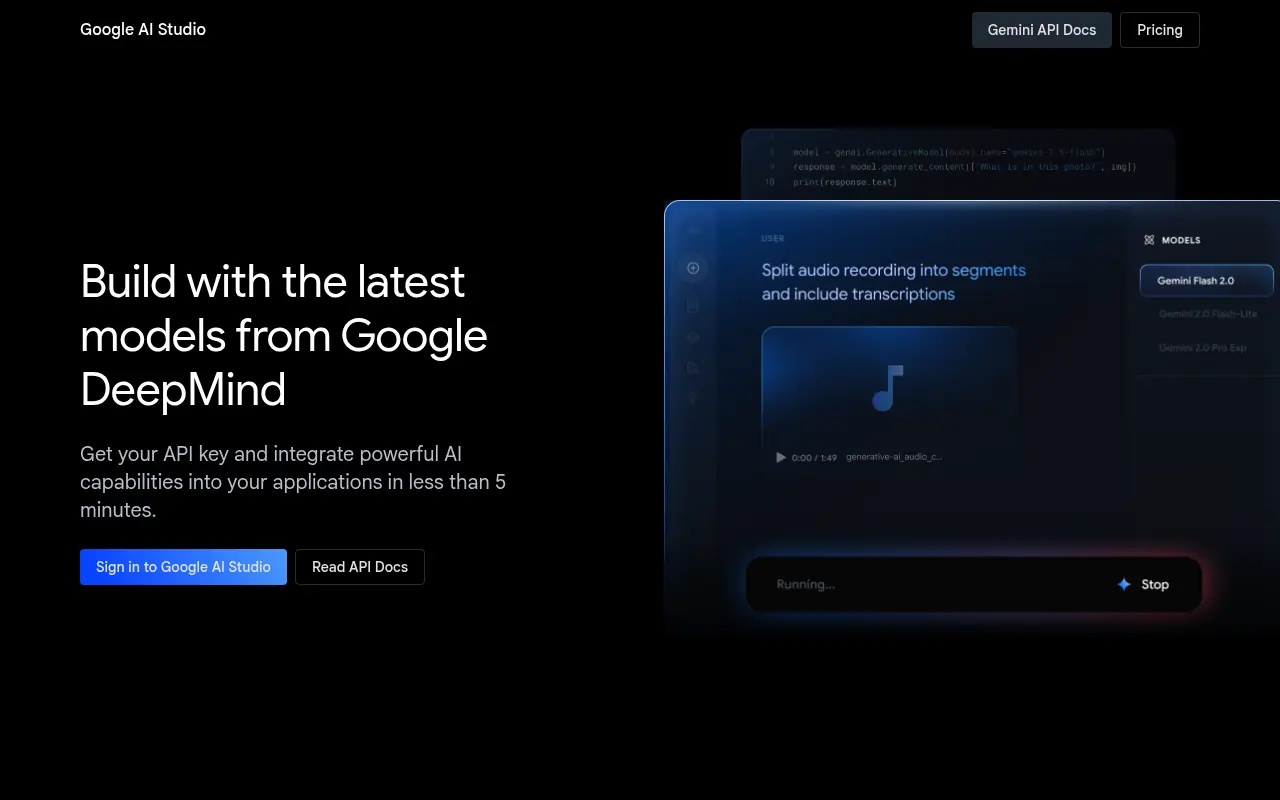

Google AI Studio
Google AI Studio is a browser-based IDE for prototyping and building AI applications with Google's Gemini models.
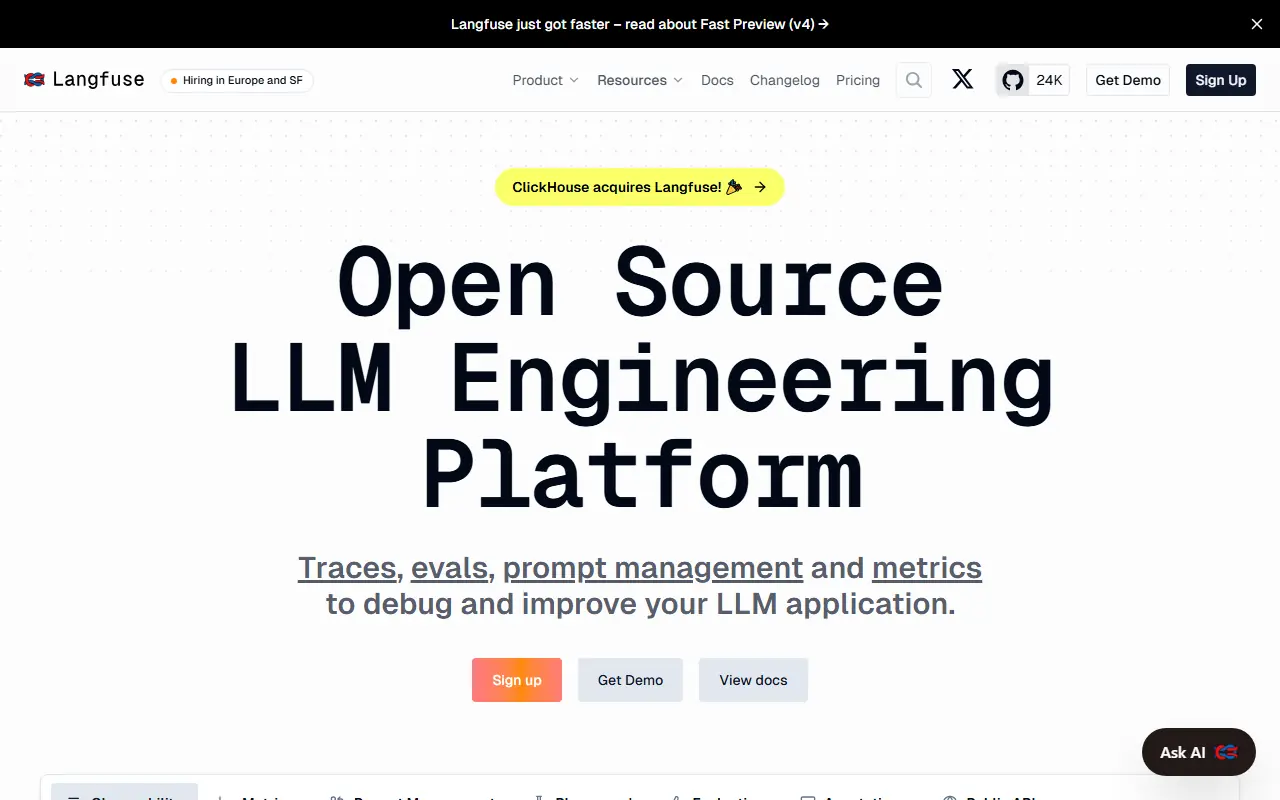

Langfuse
Langfuse is an open-source LLM engineering platform that provides observability, analytics, prompt management, and evaluations for AI applications.


Vast.ai
Vast.ai provides a cloud computing marketplace for renting and hosting affordable GPU resources for AI and ML workloads.
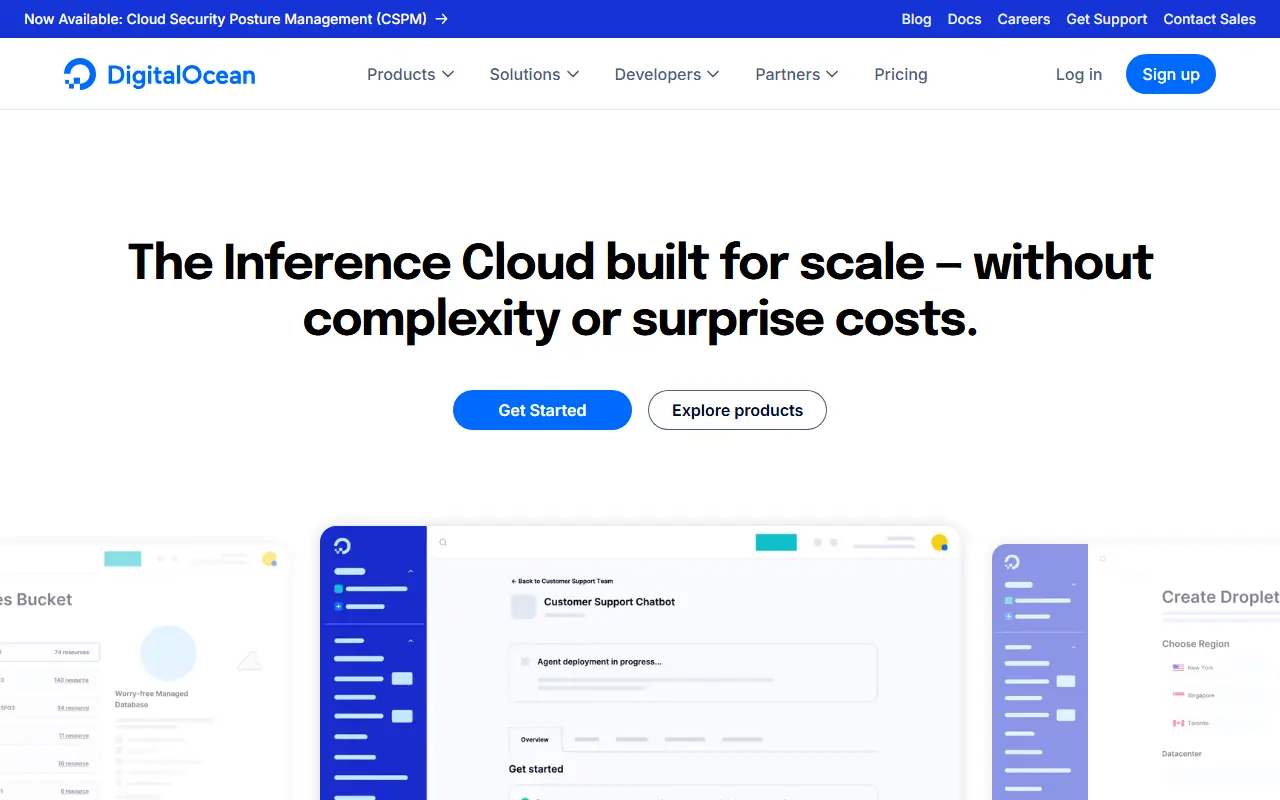

DigitalOcean
DigitalOcean is a cloud hosting provider that offers simplified cloud computing services, infrastructure, and developer tools for startups and small-to-medium businesses.
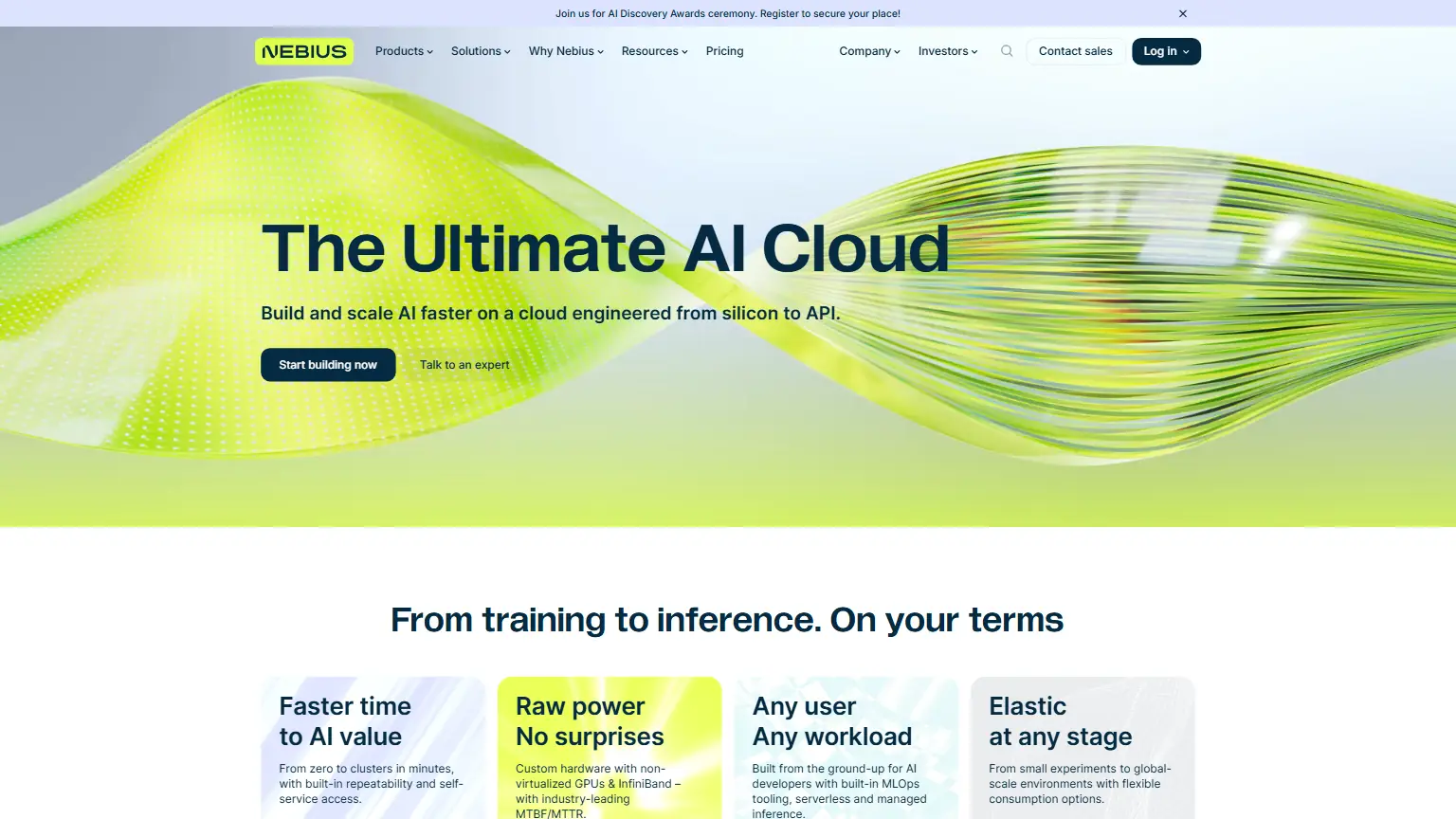

Nebius
Nebius delivers a full-stack, GPU-optimized cloud infrastructure designed specifically to accelerate AI training and low-latency inference for modern machine learning engineering teams.


Pulumi
Pulumi is a cloud engineering platform that enables teams to define, deploy, and manage cloud infrastructure using familiar programming languages and modern software practices.
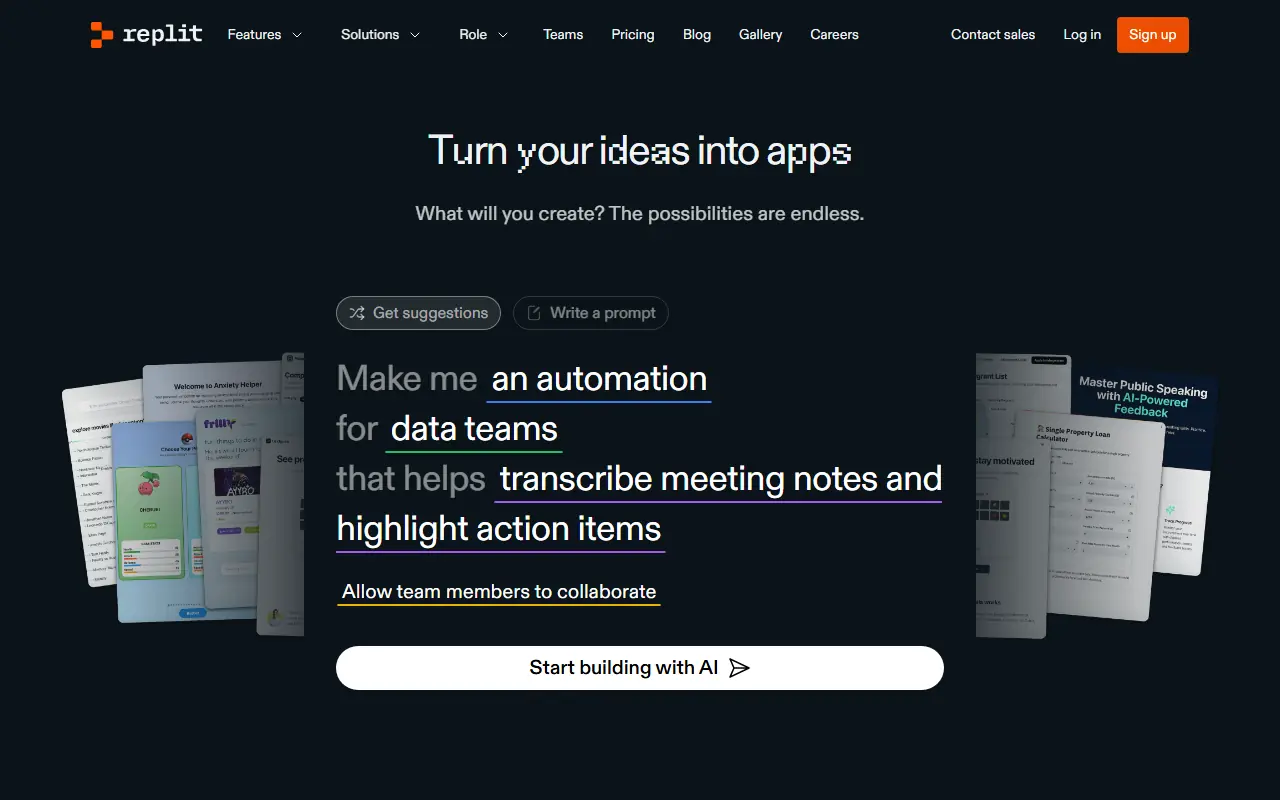

Replit
Replit is an AI-powered online platform for coding, collaborating, and deploying software in various programming languages directly from the browser.


LangChain
LangChain is an open-source framework for building applications powered by large language models with modular components and comprehensive development tools.