

OpenCode
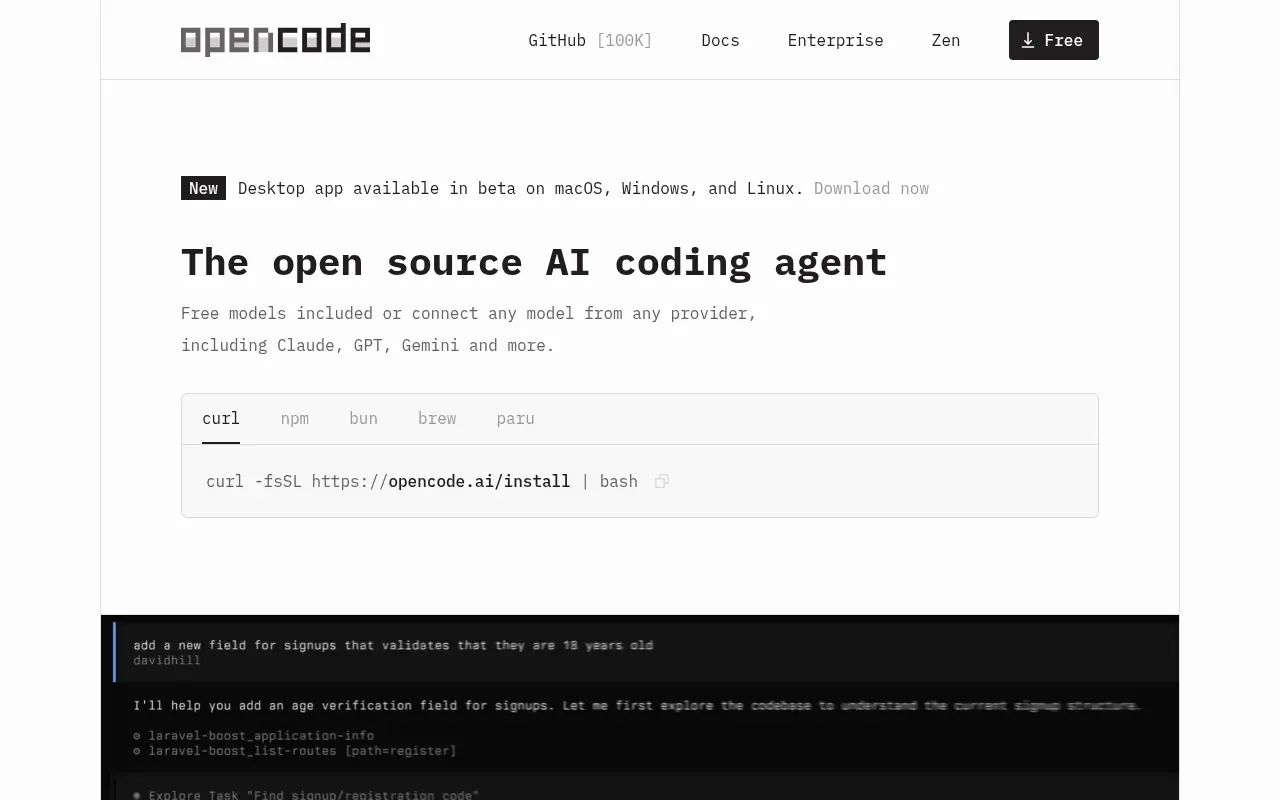
What is OpenCode?
OpenCode is a privacy-first, open-source AI coding agent designed to assist developers directly within their terminal, IDE, or desktop environment. It acts as a versatile interface that connects to over 75 different Large Language Model (LLM) providers, including OpenAI, Anthropic, and Google, as well as local models. By allowing users to bring their own API keys or subscriptions (like GitHub Copilot and ChatGPT Plus), it eliminates vendor lock-in while providing powerful coding assistance. The platform emphasizes privacy by ensuring no user code or context data is stored on its servers.
How to use OpenCode?
To use OpenCode, install the tool via your preferred package manager (curl, npm, brew, or bun) or download the desktop application. Once installed, launch it in your terminal or IDE and connect your desired LLM provider by entering your API key or logging into existing accounts like GitHub Copilot. You can then start an interactive session by typing natural language commands to generate code, debug errors, or refactor files directly within your project's directory.
OpenCode's Core Features
Open-source architecture allows for complete transparency and community-driven improvements.
Supports connections to over 75 LLM providers including OpenAI, Anthropic, and Google.
Integrates seamlessly with GitHub Copilot and ChatGPT Plus/Pro subscriptions.
Privacy-first design ensures no code or context data is stored on OpenCode servers.
Available as a terminal CLI, desktop application, and IDE extension.
LSP (Language Server Protocol) integration automatically loads the right tools for your language.
Multi-session capability allows running parallel agents on the same project.
Shareable session links make it easy to collaborate or debug with others.
Works with local models to enable fully offline AI coding assistance.
Zen mode offers access to curated, optimized models for agentic coding tasks.
OpenCode's Use Cases
- #1
Automating repetitive coding tasks directly from the command line.
- #2
Debugging complex errors by analyzing project files and logs.
- #3
Refactoring legacy codebases with context-aware AI suggestions.
- #4
Generating boilerplate code for new features or microservices.
- #5
conducting code reviews and implementing improvements interactively.
- #6
Switching between different AI models (e.g., GPT-4, Claude 3) for specific tasks.
- #7
Collaborating with team members by sharing session links and context.
- #8
Running local AI models for offline or privacy-strict development.
- #9
Integrating AI assistance into existing CI/CD pipelines via CLI.
Frequently Asked Questions
Analytics of OpenCode
Monthly Visits Trend: Jun 2025 - Aug 2026
Traffic Sources
AI Channel Traffic Trends
Top Regions
| Region | Traffic Share |
|---|---|
| China | 29.96% |
| United States | 10.21% |
| India | 5.76% |
| Brazil | 3.97% |
| Indonesia | 3.86% |
Top Keywords
| Keyword | Traffic | CPC |
|---|---|---|
| opencode | 1.8M | $2.33 |
| opencode go | 491.1K | $2.12 |
| open code | 282.1K | $2.28 |
| opencode zen | 103.4K | $2.20 |
| ox alpha | 590.3K | -- |
Alternative of OpenCode
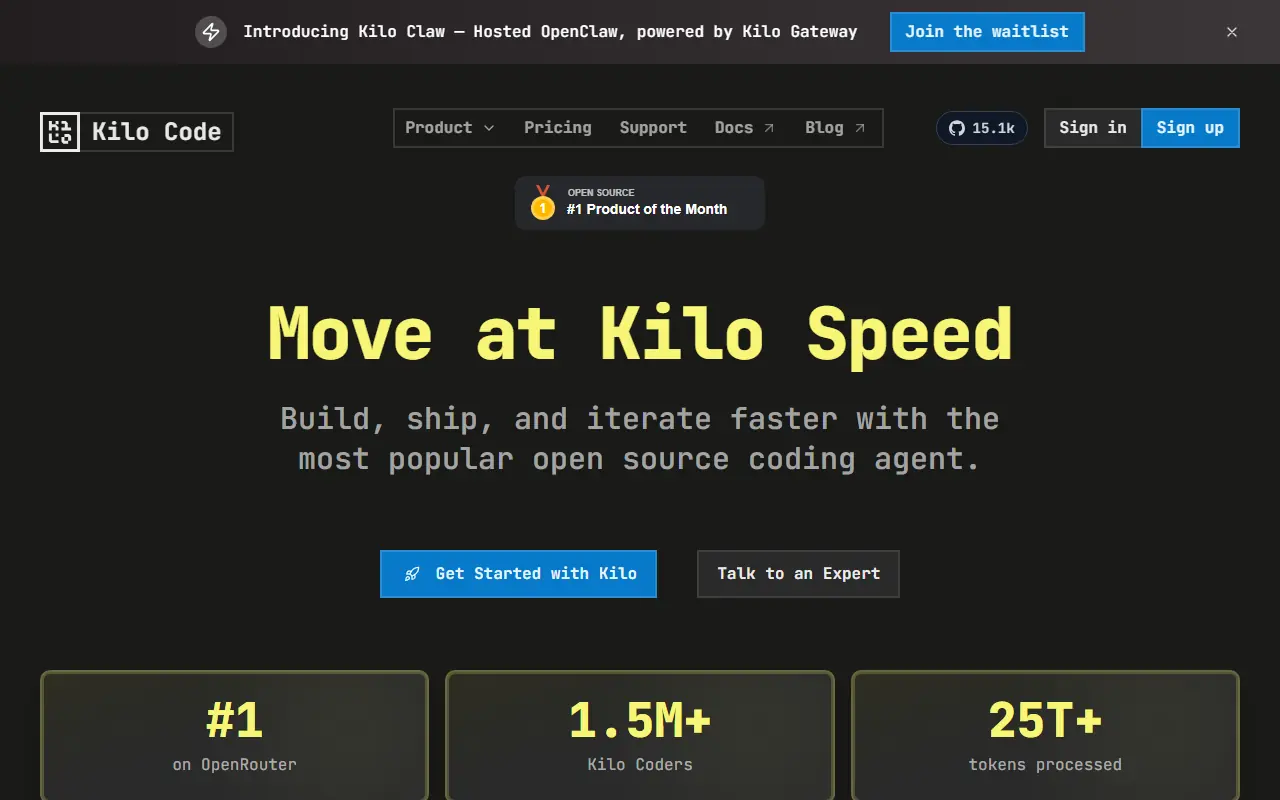

Kilo
Kilo is an open-source AI coding assistant and agentic engineering platform that helps developers plan, write, debug, and automate code directly within their IDEs and terminal.


Command Code
Command Code is a terminal-based AI coding agent that continuously learns and adapts to your personal coding style to help build, test, and refactor software.
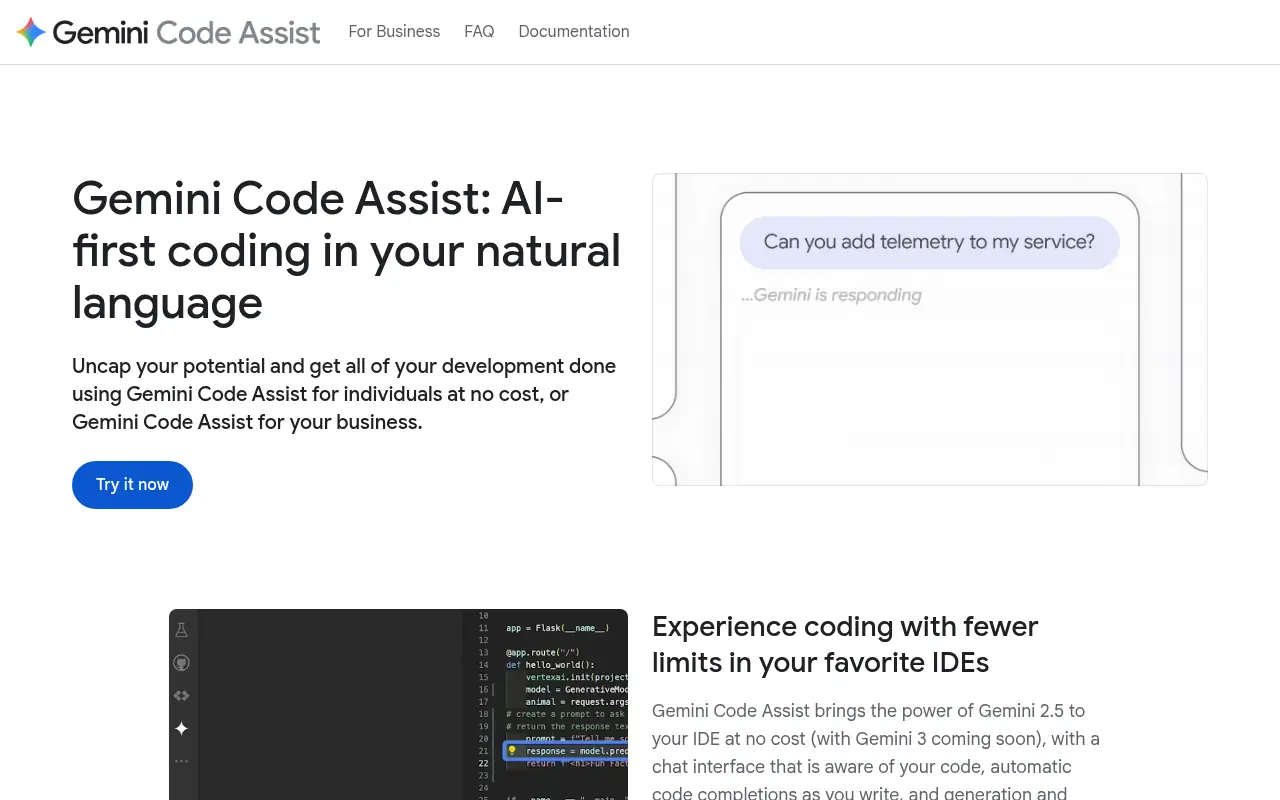

Gemini Code Assist
An AI-powered coding assistant by Google that brings the power of Gemini models directly into developers' favorite IDEs to accelerate the software development life cycle.
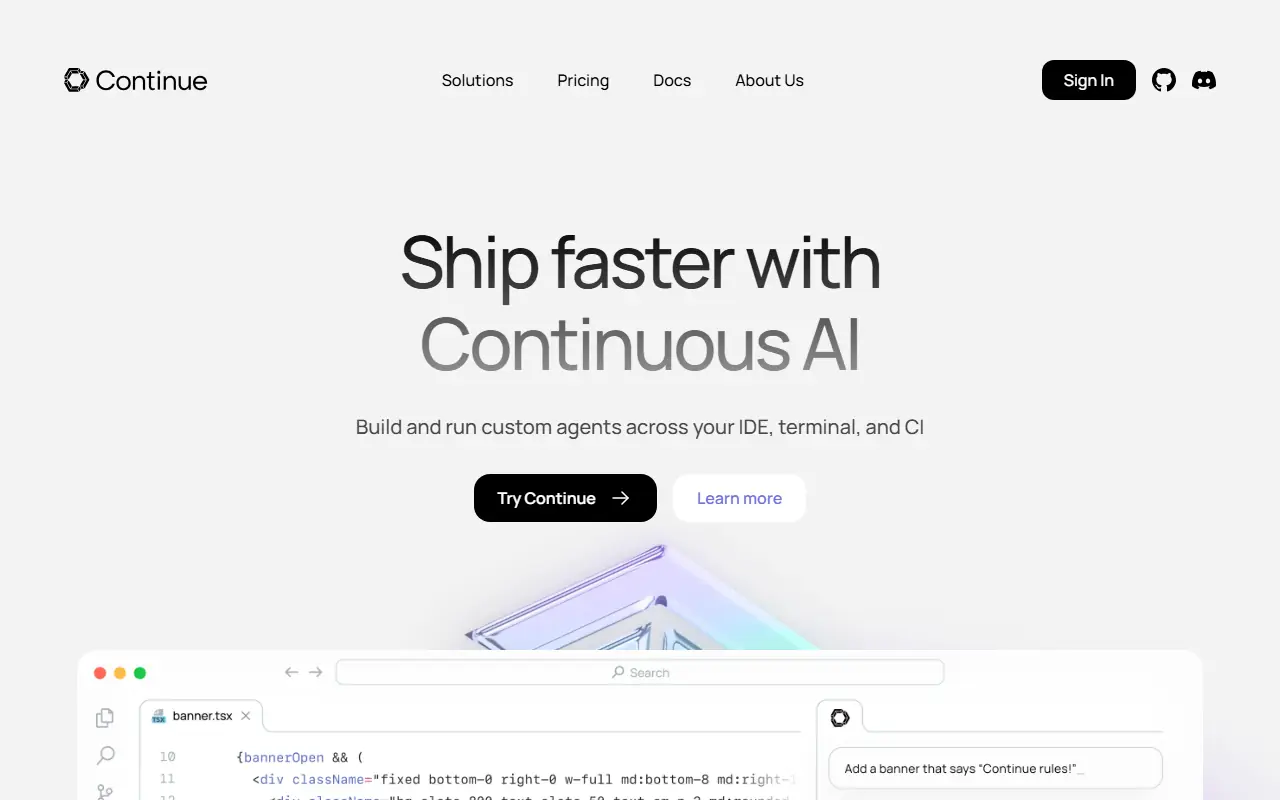

Continue
Continue.dev provides open-source AI code assistants to enhance developer productivity and streamline coding workflows.
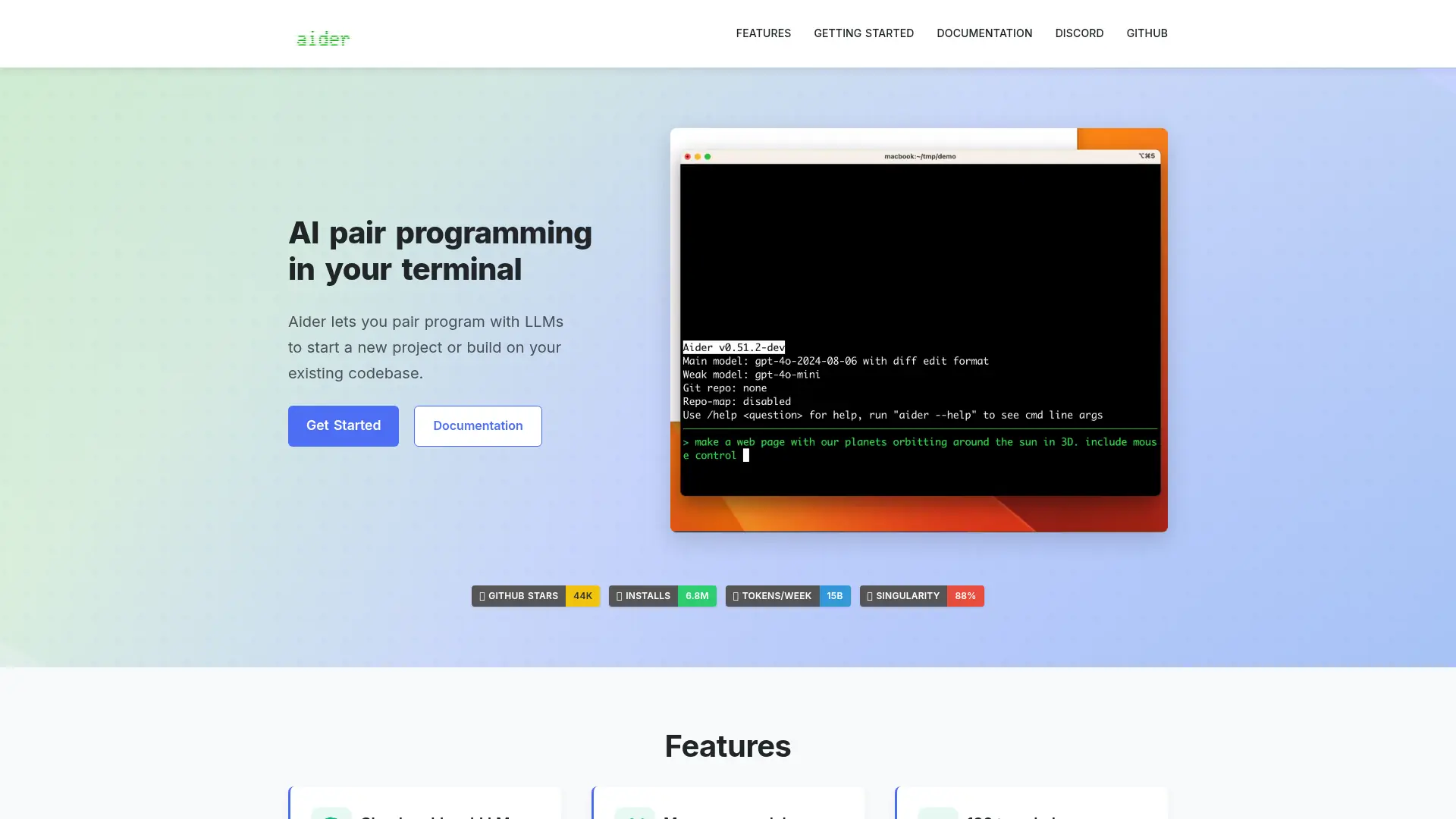

Aider
Aider operates directly in your terminal, acting as an expert AI pair programmer that writes, edits, and commits code seamlessly into your local repository.
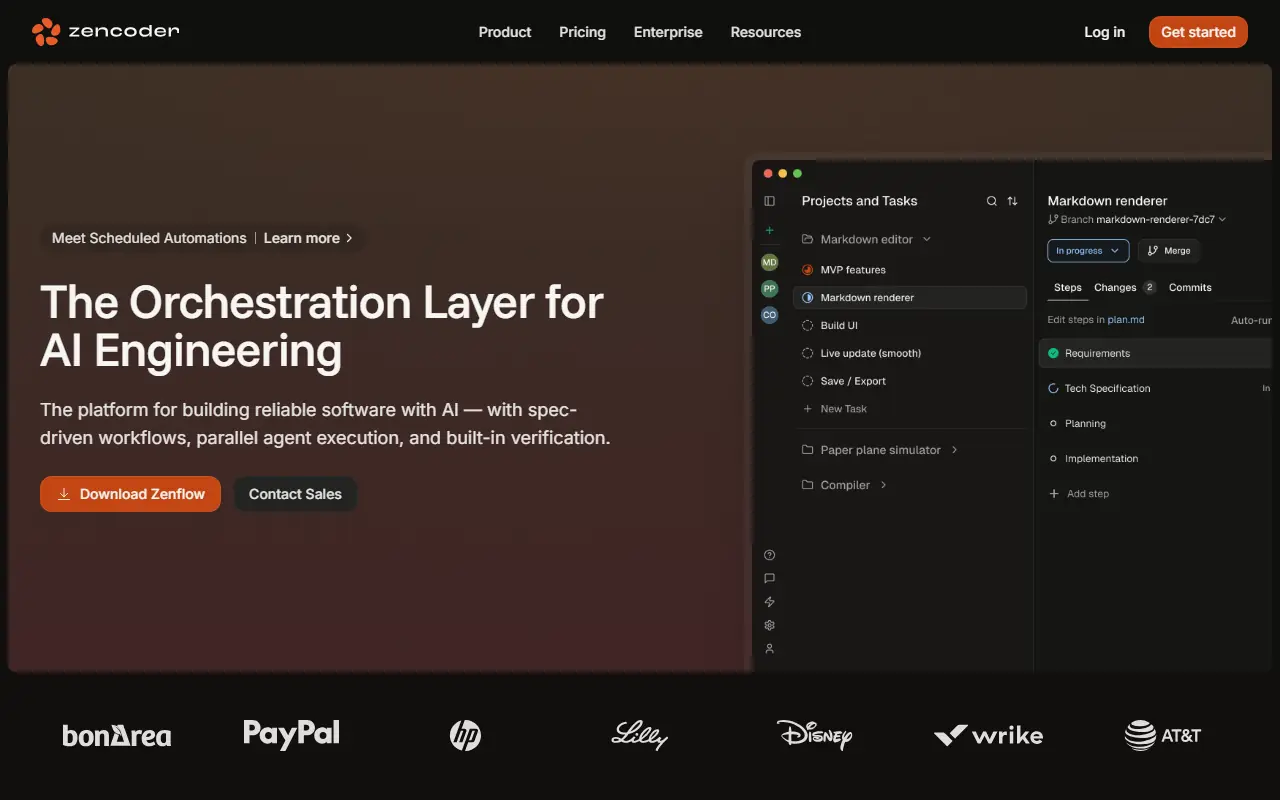

Zencoder
Zencoder is an advanced AI coding platform that integrates specialized coding agents into developer workflows to automate code generation, testing, and reviews.


Baidu Comate
Baidu Comate is an AI-powered coding assistant based on the ERNIE large language model that automates code generation, testing, and documentation.
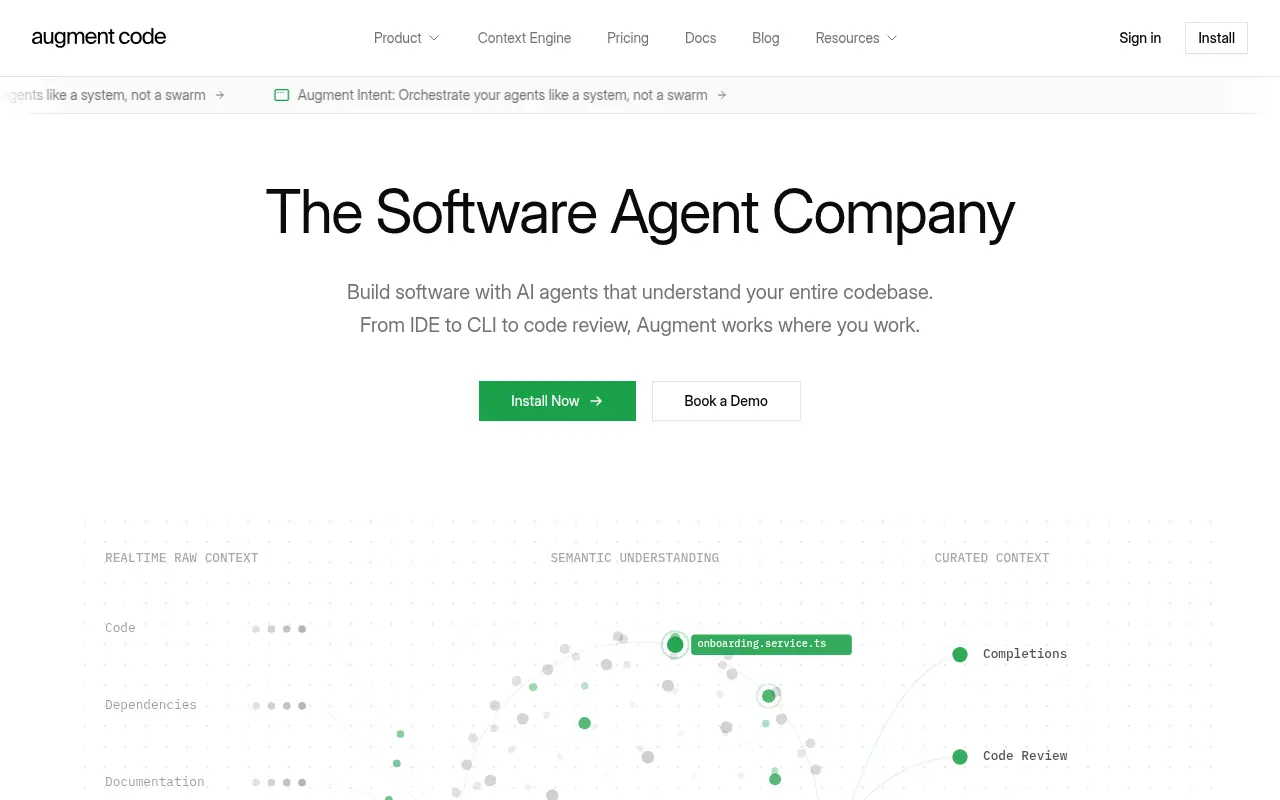

Augment Code
An AI-powered software development platform featuring intelligent agents and a Context Engine for building, reviewing, and understanding code at enterprise scale.