

OpenAI Codex
What is OpenAI Codex?
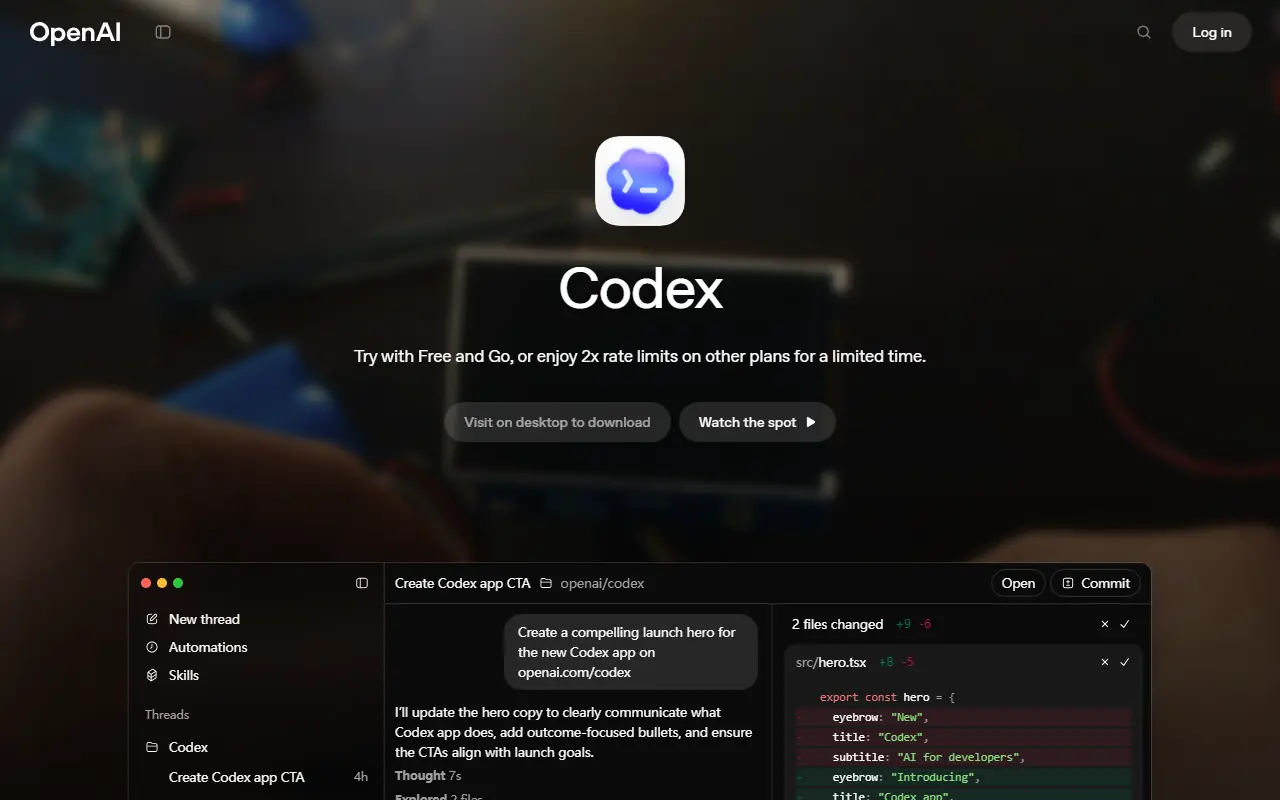
OpenAI Codex is a powerful AI coding assistant and autonomous agent that translates natural language instructions into executable code. Originally released as a model API, the platform has evolved (as of 2026) into a comprehensive suite of developer tools, including a Command Line Interface (CLI), a macOS application, and IDE integrations. Powered by advanced models like GPT-5-Codex, it can handle complex engineering tasks such as refactoring legacy codebases, generating unit tests, and scaffolding entire features while maintaining context across multiple files. Its mission is to accelerate software development by offloading repetitive tasks and acting as an intelligent collaborator.
How to use OpenAI Codex?
To use OpenAI Codex, developers can install the Codex CLI, download the macOS app, or add the extension to their preferred IDE (such as VS Code). Once authenticated with an OpenAI account, users can issue natural language commands directly in their terminal or editor—for example, asking the agent to 'create a Python script to scrape a website' or 'fix the bug in this function.' The agent then analyzes the context, generates the necessary code or edits, and can even run tests to verify the solution.
OpenAI Codex's Core Features
Translates natural language prompts into working code across dozens of languages.
Operates via a robust Command Line Interface (CLI) for direct terminal integration.
Includes a dedicated desktop application that serves as an agent command center.
Integrates seamlessly with VS Code and other IDEs for in-context assistance.
Capable of autonomous multi-file editing and context awareness.
Generates, executes, and iterates on unit tests to ensure code reliability.
Features sandbox controls to secure file writes and limit network access.
Supports multimodal inputs to generate code from visual assets like screenshots.
Understands and adheres to existing project coding styles and conventions.
OpenAI Codex's Use Cases
- #1
Refactoring large legacy codebases to modern standards
- #2
Generating comprehensive unit and integration tests
- #3
Scaffolding new project structures and boilerplate code
- #4
Debugging complex runtime errors and suggesting fixes
- #5
Translating code from one programming language to another
- #6
Explaining complex or undocumented code logic
- #7
Automating repetitive git operations and pull request descriptions
- #8
Converting UI screenshots or diagrams into frontend code
Frequently Asked Questions
Analytics of OpenAI Codex
Monthly Visits Trend: Apr 2025 - Jun 2026
Traffic Sources
AI Channel Traffic Trends
Top Regions
| Region | Traffic Share |
|---|---|
| United States | 22.92% |
| India | 7.09% |
| Japan | 5.60% |
| Brazil | 4.54% |
| Korea, Republic of | 4.00% |
Top Keywords
| Keyword | Traffic | CPC |
|---|---|---|
| chatgpt | 164.0M | $0.14 |
| chat gpt | 89.3M | $0.14 |
| codex | 5.9M | $8.35 |
| openai | 2.5M | $0.28 |
| gpt | 25.2M | $0.13 |
Alternative of OpenAI Codex

Cursor
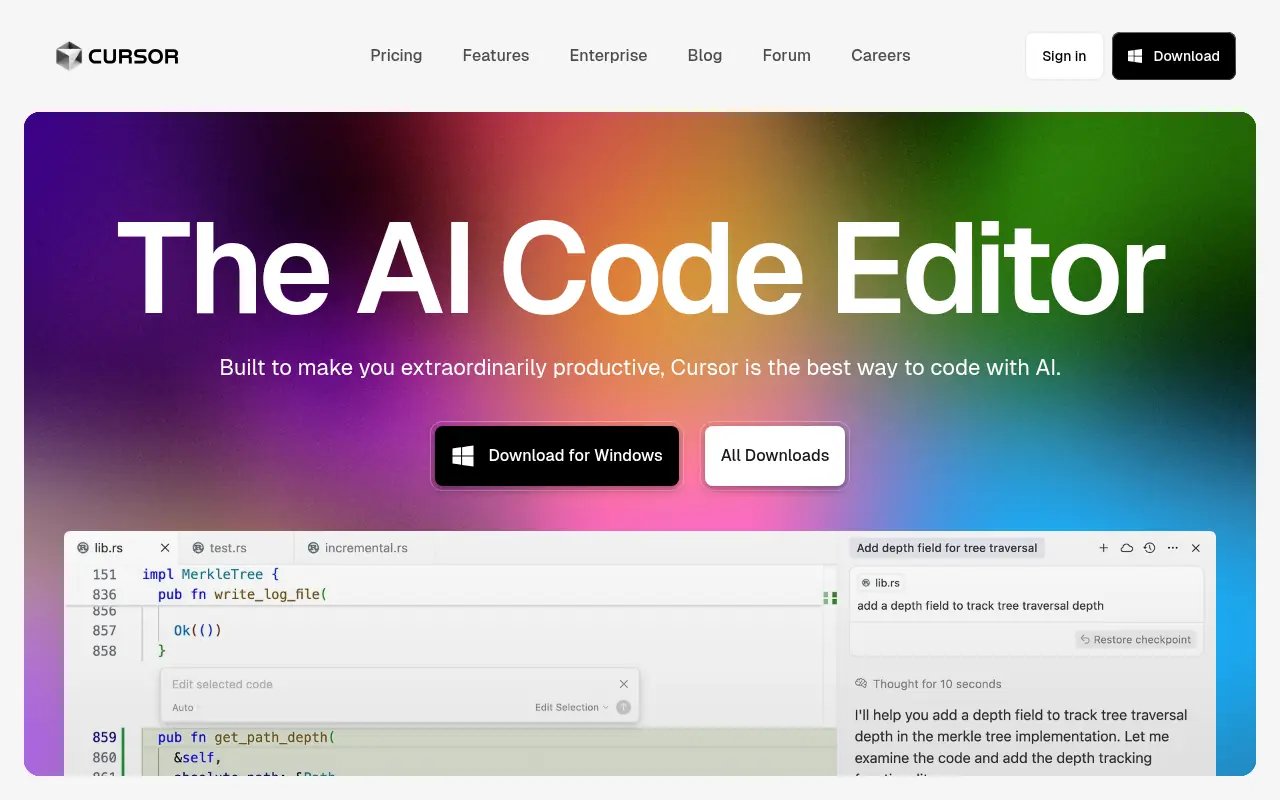
Cursor is an AI-powered code editor designed to enhance developer productivity with advanced AI features.

OpenCode
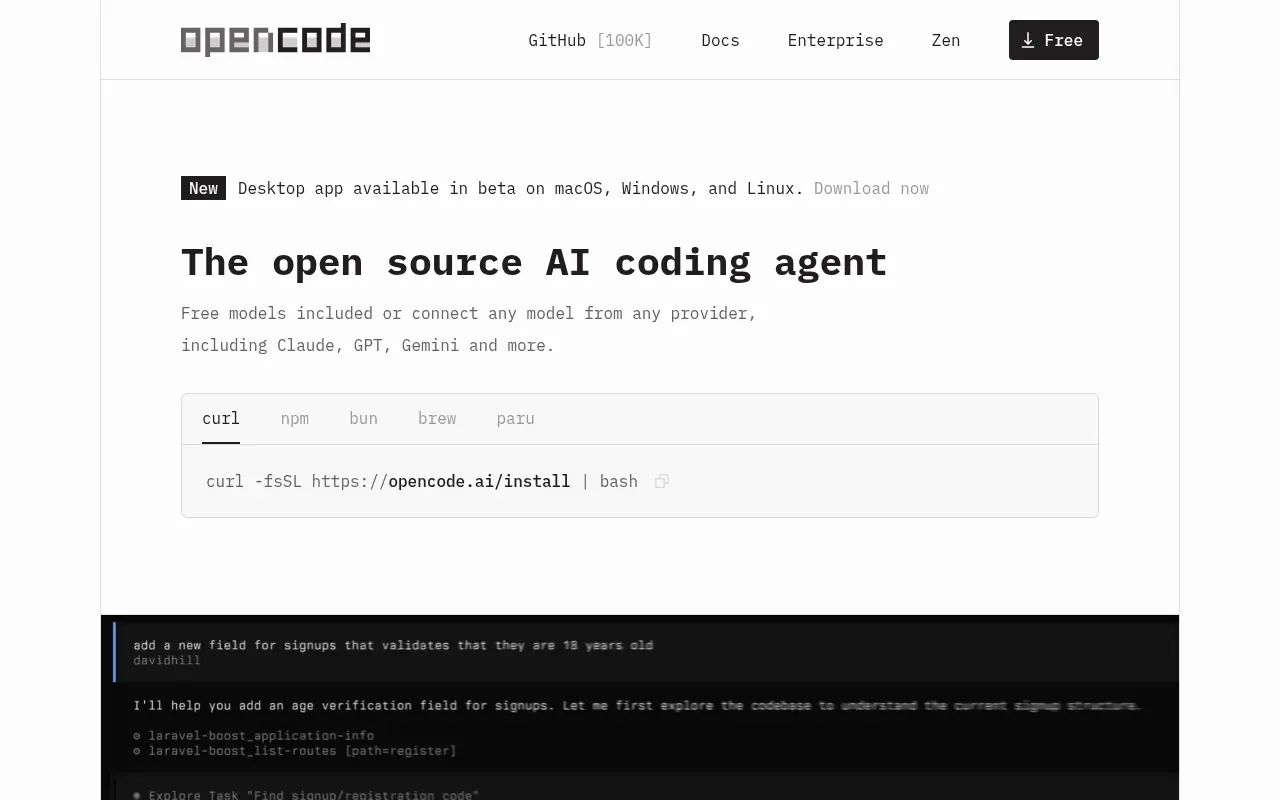
An open-source AI coding agent that integrates with your terminal, IDE, or desktop to streamline development workflows.

Devin
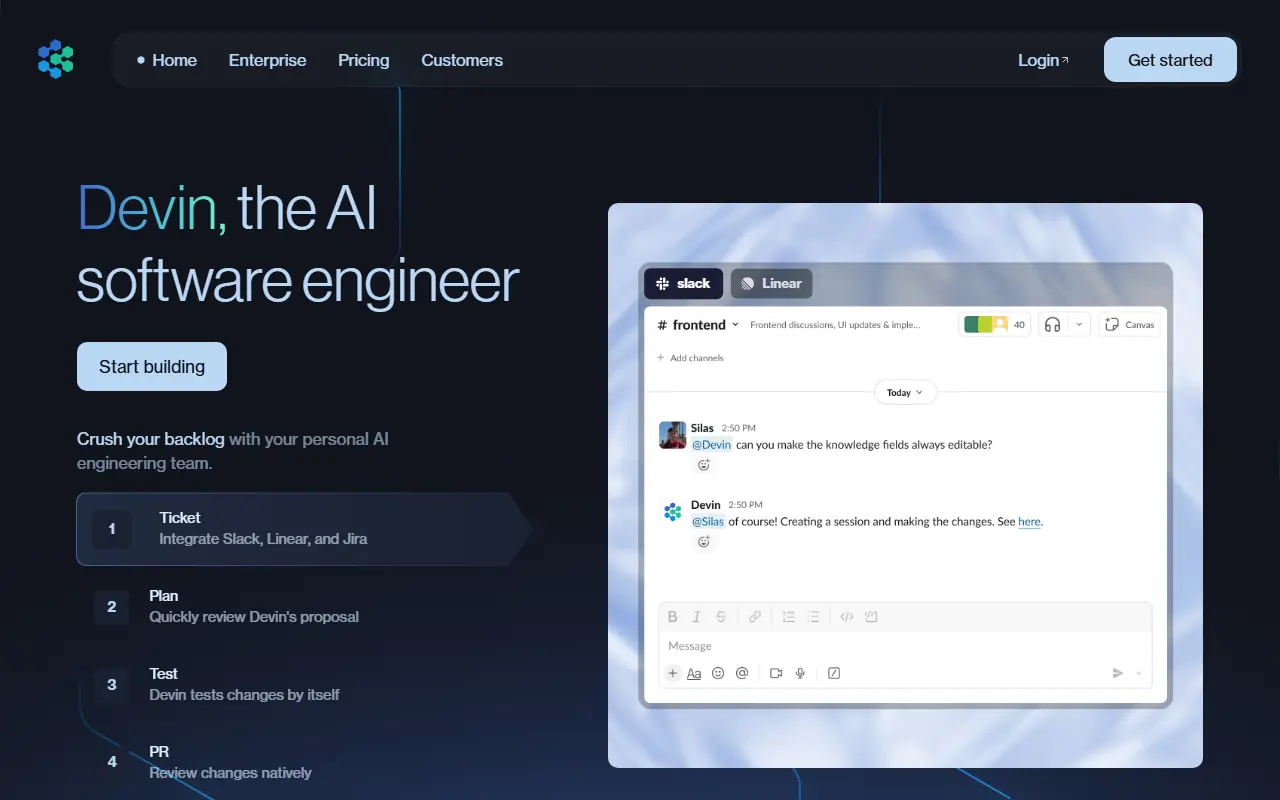
Devin is an AI software engineer that assists teams in automating code-related tasks, improving efficiency, and handling large-scale code migrations.
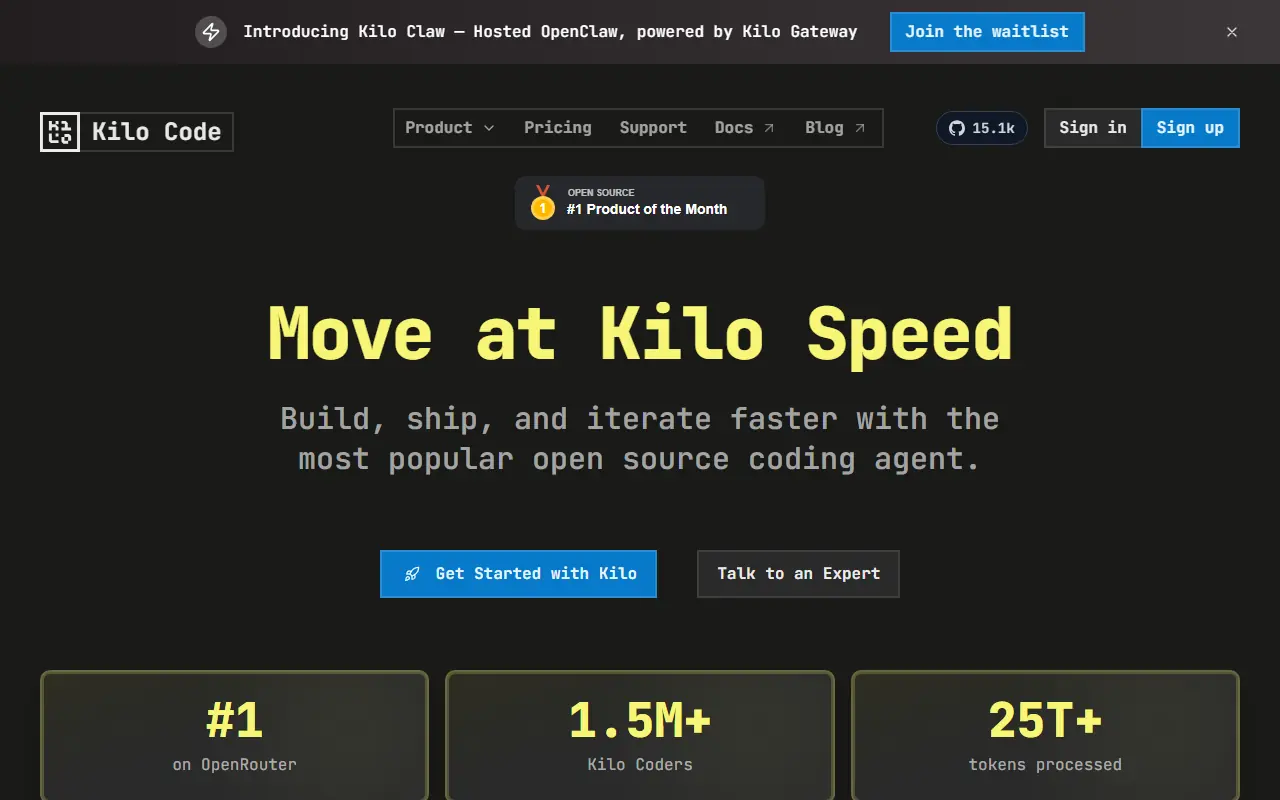

Kilo
Kilo is an open-source AI coding assistant and agentic engineering platform that helps developers plan, write, debug, and automate code directly within their IDEs and terminal.
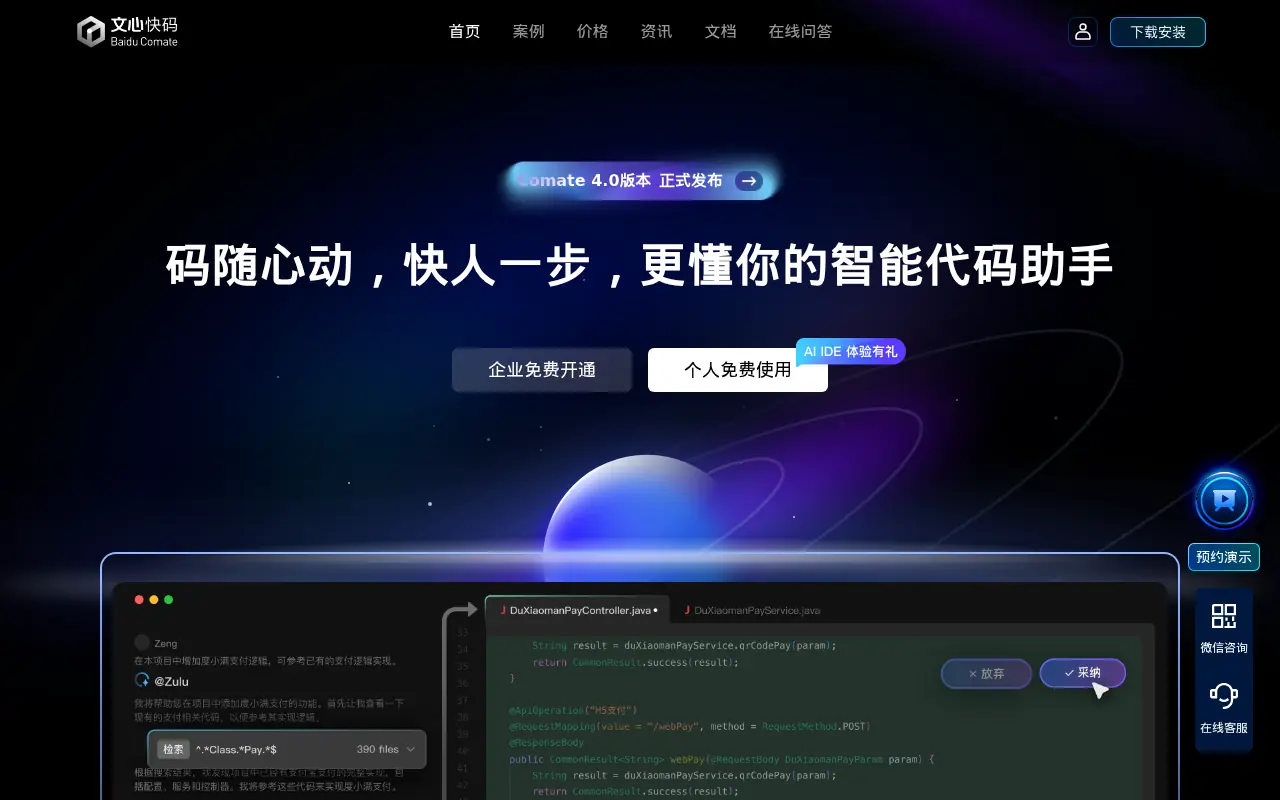

Baidu Comate
Baidu Comate is an AI-powered coding assistant based on the ERNIE large language model that automates code generation, testing, and documentation.


Windsurf
Windsurf is an AI-powered integrated development environment (IDE) designed to enhance coding efficiency for developers and enterprises.
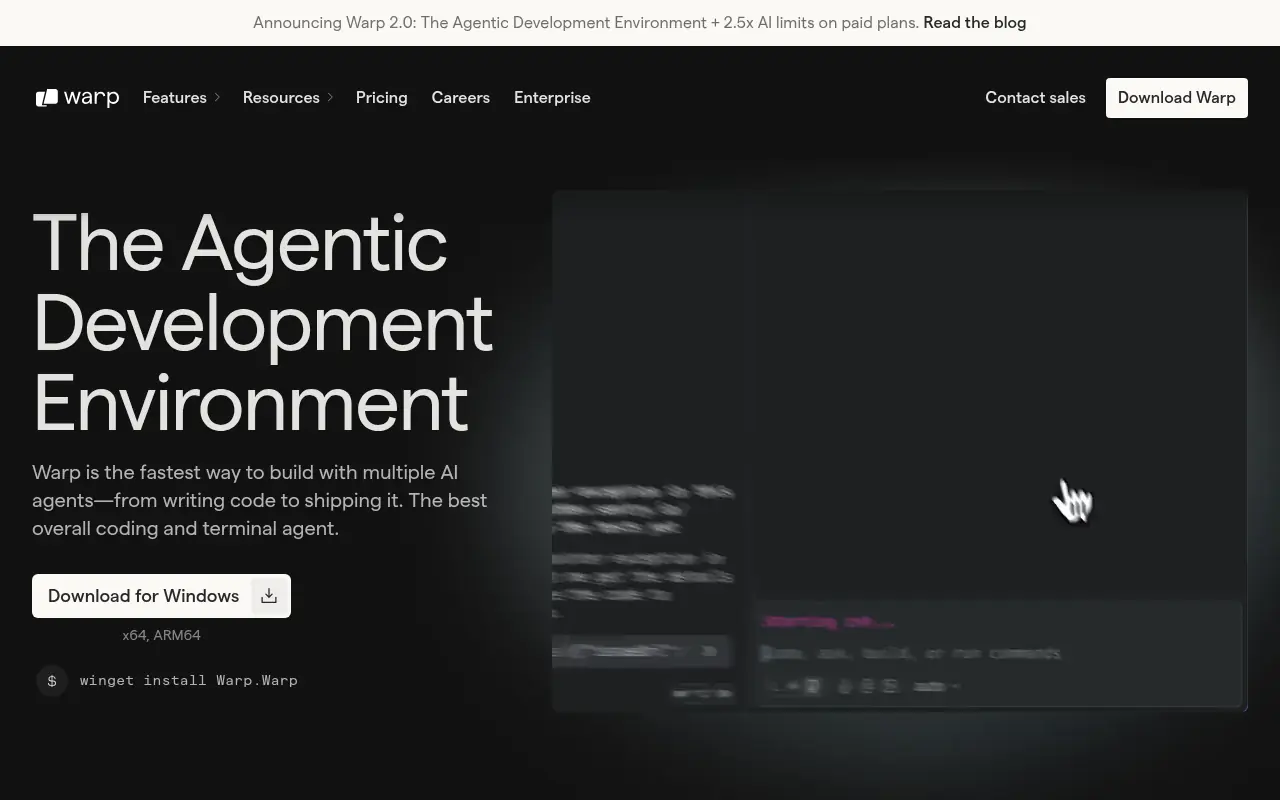

Warp
Warp is a modern, AI-powered terminal designed to enhance developer productivity and streamline workflows.
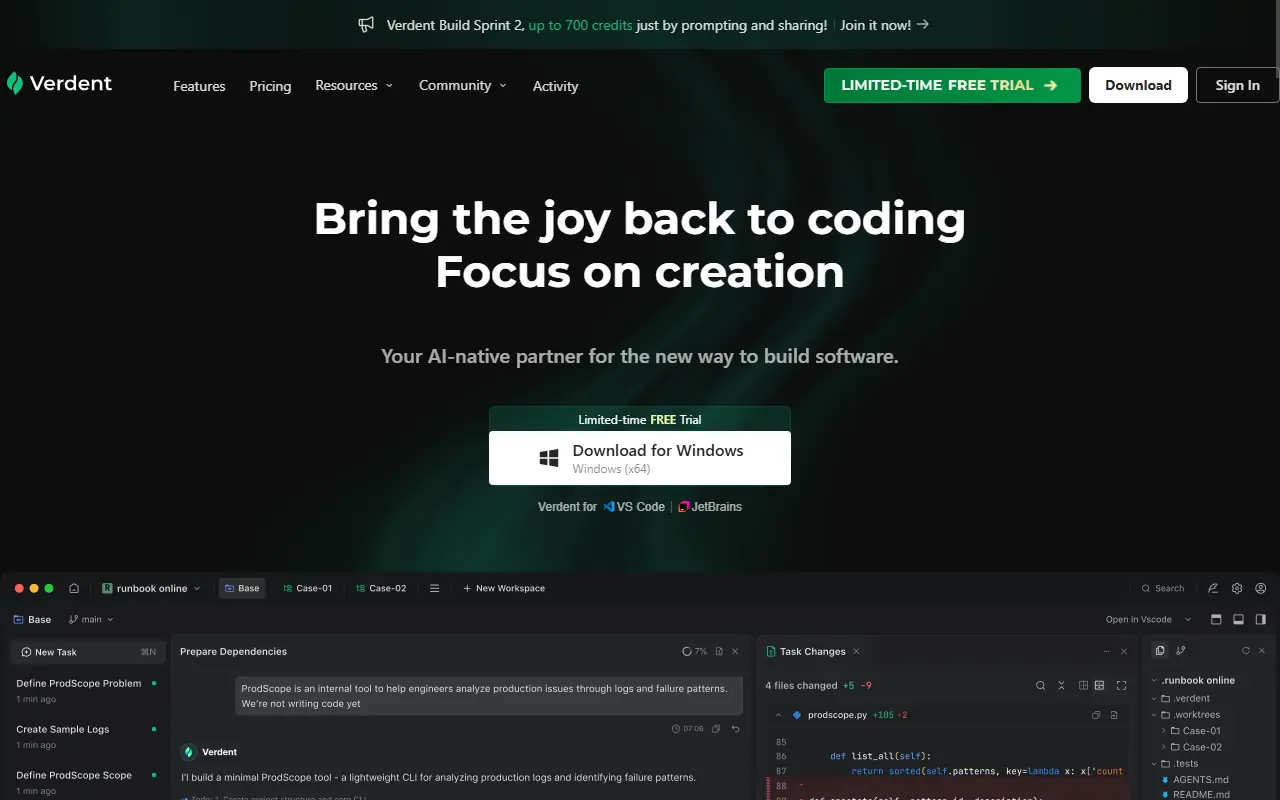

Verdent AI
Verdent AI is an advanced AI-native coding partner that leverages multiple parallel agents to plan, execute, and review software development tasks.